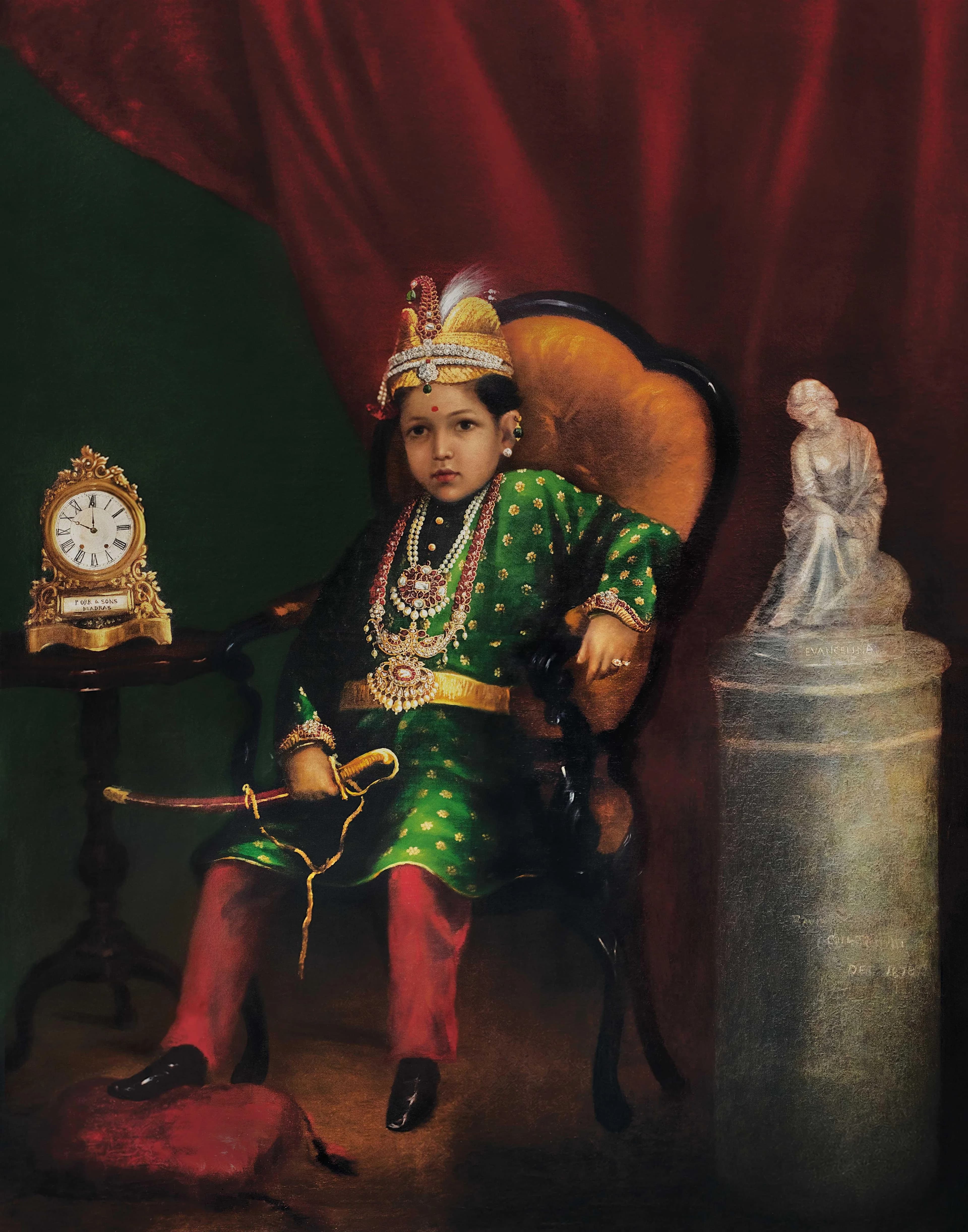
According to reports from Mint, families with cultural assets including paintings, sculptures, antiques, jewellery and traditional heirlooms can preserve these assets across generations through trust structures. A trust can house the collection as a consolidated pool rather than fragmenting ownership among multiple heirs, with the trust deed setting detailed rules for ownership, access, conservation, display, monetization and succession. The trust may specify whether certain pieces should remain in a central family residence, rotate among family homes, be kept in professional storage, or be displayed through a gallery or private museum.
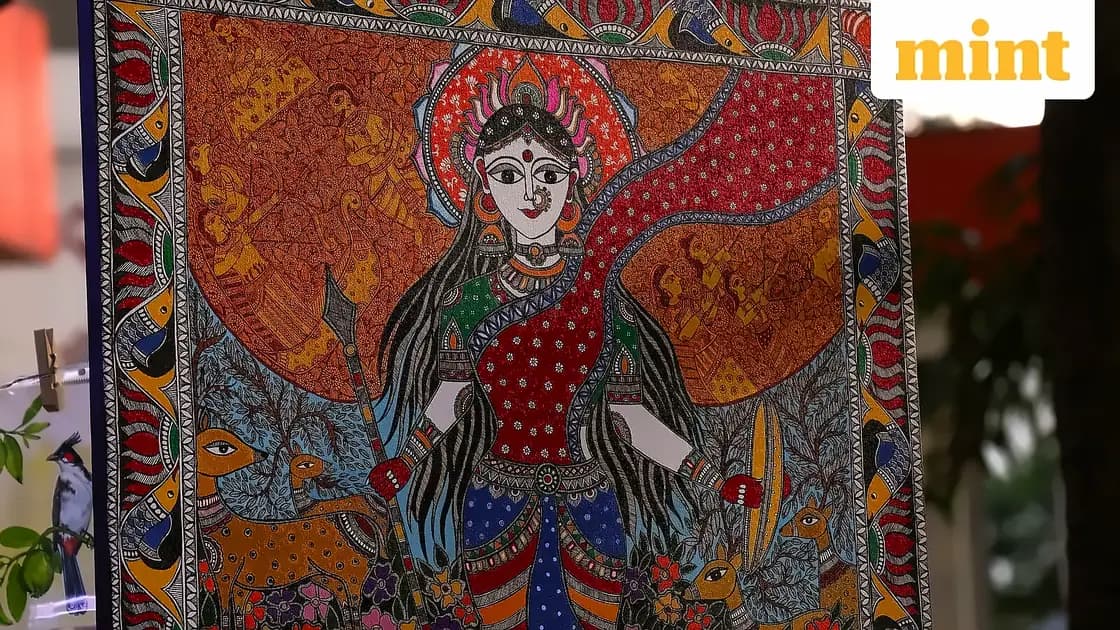
As reported by Mint, the trust may govern the commercial and public-facing life of the collection by authorizing trustees to lend artworks for exhibitions, display works publicly, license images for reproduction, use the collection for curated events, donate selected pieces to museums, or otherwise monetize the collection in a controlled manner. The trust deed may permit ancillary activities such as exhibitions, guided tours, cafés, merchandise and curated events. It can specify how income from such activities is to be applied—whether towards conservation of the collection, charitable purposes, the benefit of family beneficiaries, or a combination of these.
According to Mint, Indian trust law does not prohibit the settlement of artworks into a trust, though related tax implications should be examined carefully. The regulatory framework should be considered particularly with reference to the nature of the trust and whether its beneficiaries are confined to the settlor's or contributor's family or extend to the public at large. As art moves from private passion to cultural capital, the focus shifts from what a collection is worth to what it is meant to become—a private legacy, public institution, revenue-generating asset, or a deliberate blend of all three.