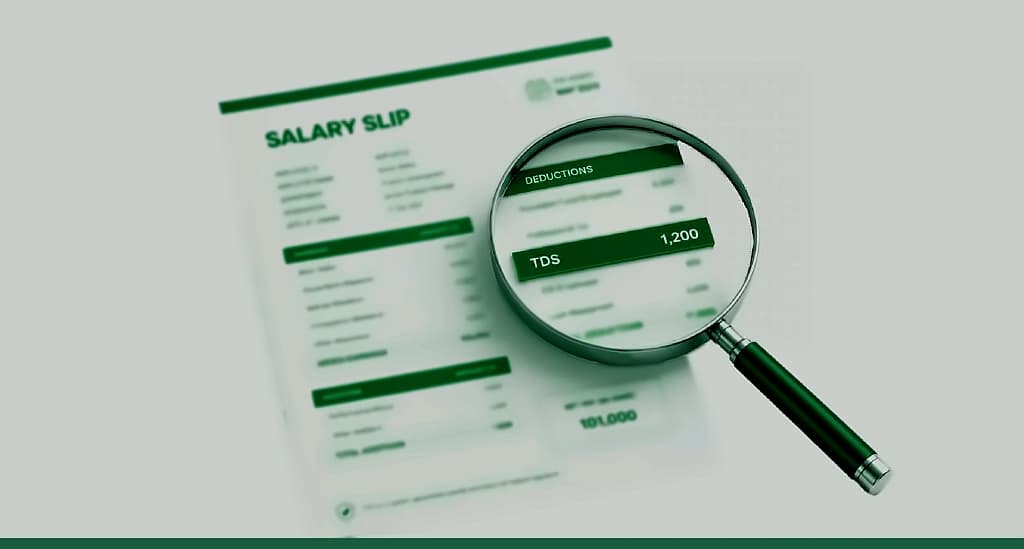
Under the revised tax rules for fiscal year 2026, income up to ₹12.75 lakh stands completely tax-free in the new tax regime. According to reports from NDTV Profit, salaried taxpayers are entitled to a standard deduction of ₹75,000 under the revised rules. With new rebate limits, this makes income up to ₹12.75 lakh effectively tax-free. For someone with a salary of ₹12.5 lakh, the standard deductions bring taxable income to ₹11.75 lakh. Under Section 87A, a full rebate ensures zero tax liability for incomes up to ₹12 lakh. The ₹75,000 standard deduction is available for salaried individuals and pensioners, while the ₹50,000 standard deduction remains for other taxpayers.
In the new tax regime, the basic exemption limit stands till a salary of ₹4 lakh. As reported by NDTV Profit, while taxpayers have the choice to choose between the default new regime and the old tax regime, for incomes up to ₹12.75 lakh and even more, the old regime may not offer many benefits. This is because the old regime, while allowing for many exemptions, comes with higher tax rates and lower rebate limits. Its basic exemption limit is only up to ₹2.5 lakh, making it less attractive for higher earners. However, the old regime offers significant deductions including Section 80D health insurance up to ₹25,000, HRA exemption for rent payers, home loan interest under Section 24B up to ₹2 lakh, and NPS contribution under Section 80CCD(1B) up to ₹50,000. The old regime also allows Section 80C investments up to ₹1.5 lakh and other deductions that are not available in the new regime.
Despite limited exemptions in the new regime, certain benefits remain available. According to NDTV Profit, taxpayers can claim Section 80CCD(2) for employer NPS contribution up to 14% of basic pay. Additionally, Section 24 allows deductions for home loan interest on let-out property. However, the new regime does not allow for any other deductions, including popular tools such as Section 80C, which allow up to ₹1.5 lakh deductions on some investments, which are still only available in the old regime. The old regime offers comprehensive deductions including Section 80D health insurance up to ₹25,000 (₹50,000 for senior citizens), HRA exemption for rent payers, home loan interest under Section 24B up to ₹2 lakh, and NPS contribution under Section 80CCD(1B) up to ₹50,000.
According to financial experts cited by NDTV Profit, individuals may be able to benefit from the old regime only if their deductions range in the ₹3 to 4 lakh bracket. Otherwise, the new regime stands more beneficial even in cases of income up to ₹20 lakh. The new tax regime offers simplicity, convenience and lower slab rates, making it an attractive option for salaried individuals. Based on real-world calculations, most Indians earning below ₹15 lakh are better off in the new regime in 2025–26 unless they are paying significant rent in a metro or have a large home loan. The crossover point for most salaried Indians is approximately ₹3.75–4 lakh in total deductions. For salaried employees, the switch between regimes is allowed every year, with the choice informed to employers via Form 12BB at the start of the financial year and ITR filing completed before July 31st.