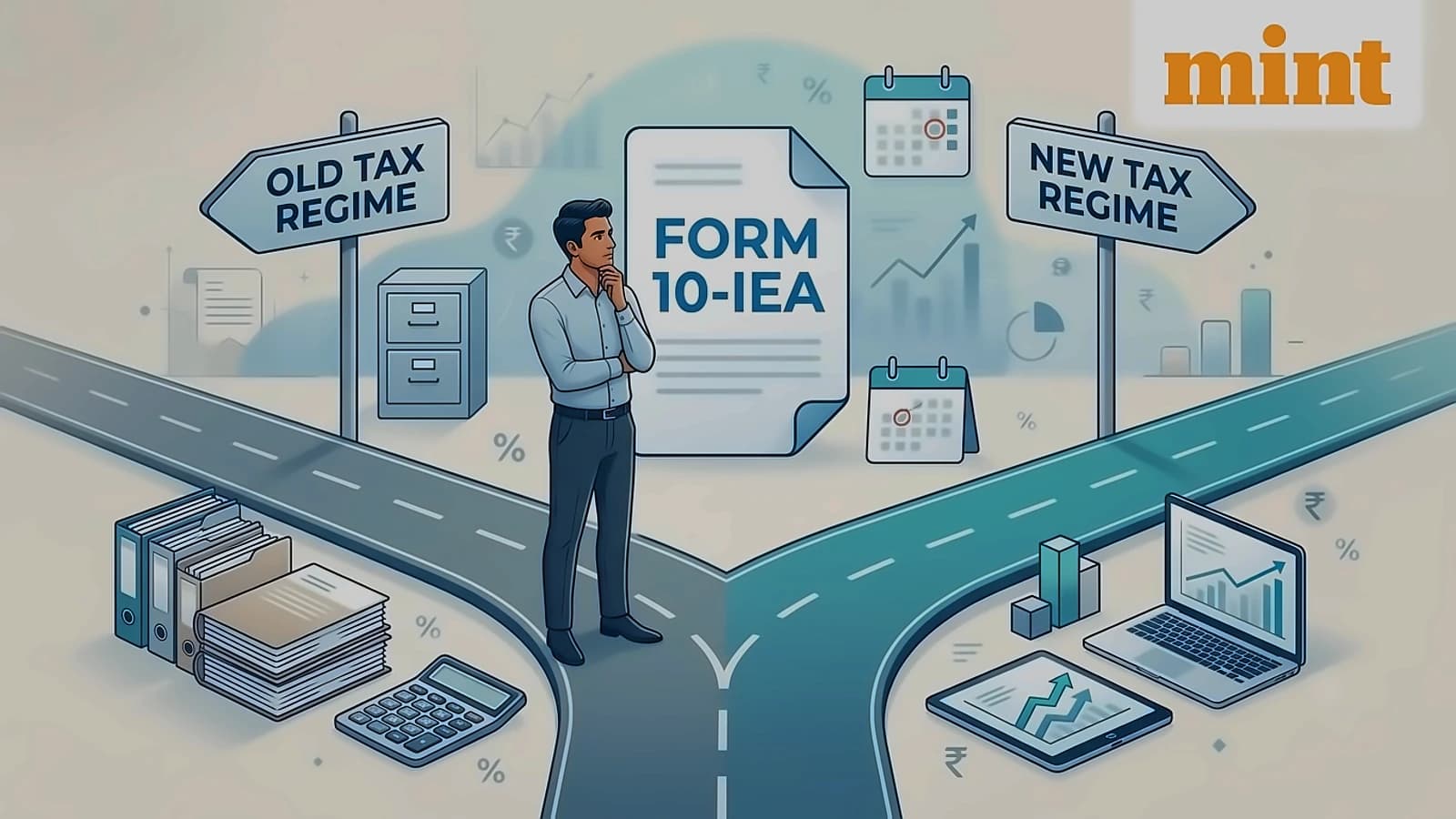
The new income tax regime remains the default tax system for individual taxpayers, offering lower tax rates in exchange for missing out on several deductions and exemptions available under the old tax regime. According to reports from Mint, taxpayers can still choose between the old and new regimes while filing their income tax returns. Under the new regime, income up to ₹4 lakh remains tax-free, while earnings between ₹4 lakh and ₹8 lakh attract 5% tax, and higher income brackets are taxed progressively from 10% to 30%. The old regime provides tax-free income up to ₹2.5 lakh annually, with income between ₹2.5 lakh and ₹5 lakh taxed at 5%, and earnings from ₹5 lakh to ₹10 lakh attracting 20% tax.
As reported by ClearTax, several significant deductions are exclusive to the old tax regime. House Rent Allowance (HRA) is available only under the old regime for salaried employees living in rented accommodation. Home loan interest deductions are limited to ₹2 lakh for self-occupied properties under the new regime, compared to unlimited deductions under the old system. Section 80C investments including EPF, PPF, ELSS, and life insurance premiums are available only under the old regime. Medical insurance premium deductions are capped at ₹25,000 for self and family, with an additional ₹25,000 for parents under the old regime, while the new regime offers no such benefits.
According to Mint, the old regime provides several specialized benefits not available in the new system. Education loan interest deductions are exclusive to the old regime, as are Leave Travel Allowance (LTA) deductions for salaried individuals. Disability deductions under Section 80U offer ₹75,000 for 40% disability and ₹1.25 lakh for severe disability (80% or more). Donations to charitable institutions and political party contributions are not eligible for deductions under the new regime in most cases.
Under the new regime, salaried taxpayers can claim a higher standard deduction of ₹75,000, compared to ₹50,000 under the old regime. As reported by Mint, no income tax is applicable on annual income up to ₹12 lakh under the new regime, making it attractive for taxpayers whose income falls within that threshold. The old regime continues to benefit taxpayers who make tax-saving investments or claim multiple exemptions, requiring proper evaluation of salary structures, exemptions, deductions, and long-term investments before choosing the appropriate regime.