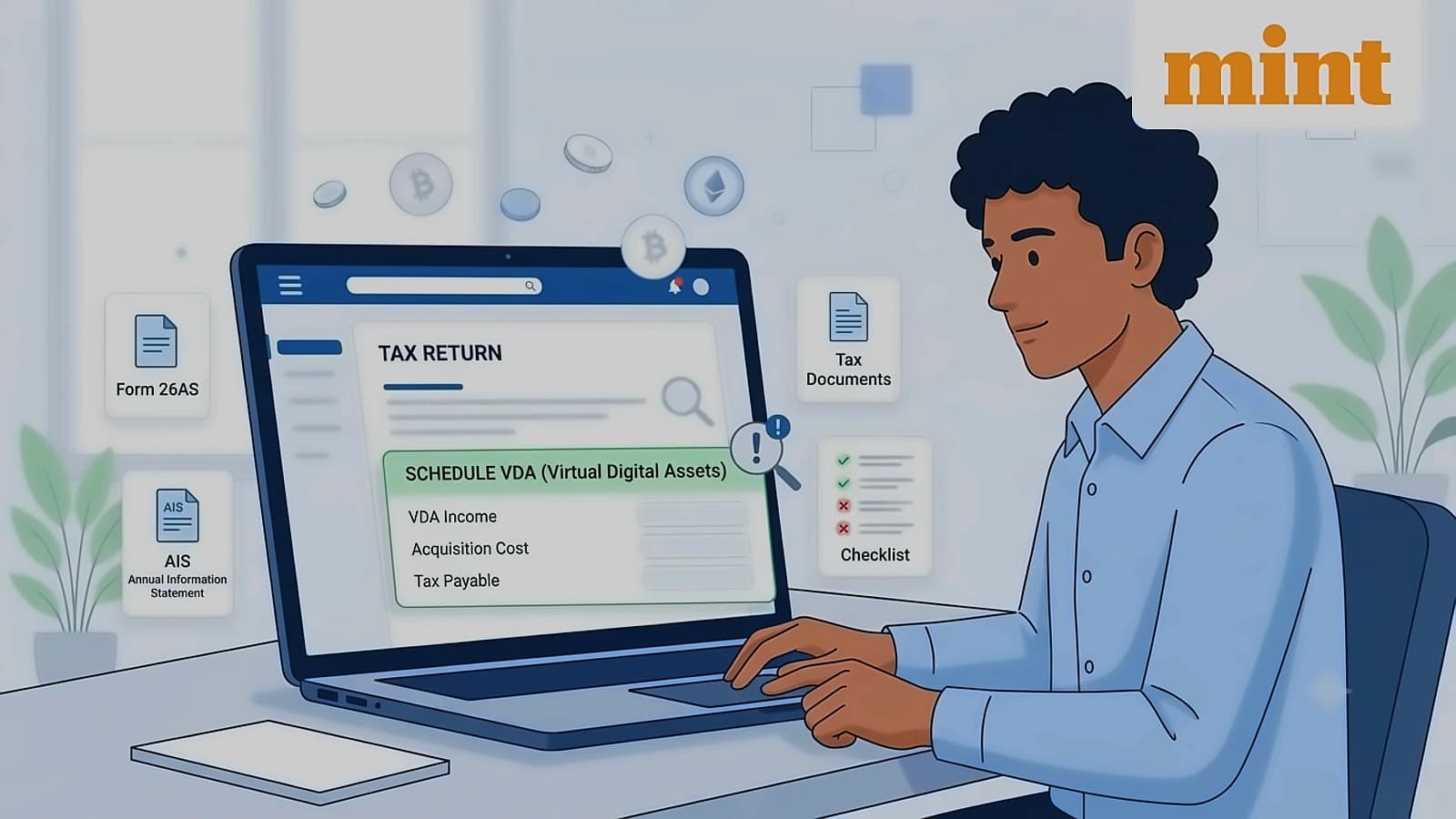
Income-tax refunds have experienced significant growth this year, with direct tax refunds increasing 29.19% year-on-year to ₹2.20 lakh crore as of 17 September, compared with ₹1.70 lakh crore during the corresponding period last year, according to Central Board of Direct Taxes (CBDT) data. The Income Tax Department had received more than 7.8 crore ITRs by 31 August, indicating substantial taxpayer activity during the filing season. However, this increased processing volume has not eliminated delays for all taxpayers who have filed and verified their returns.
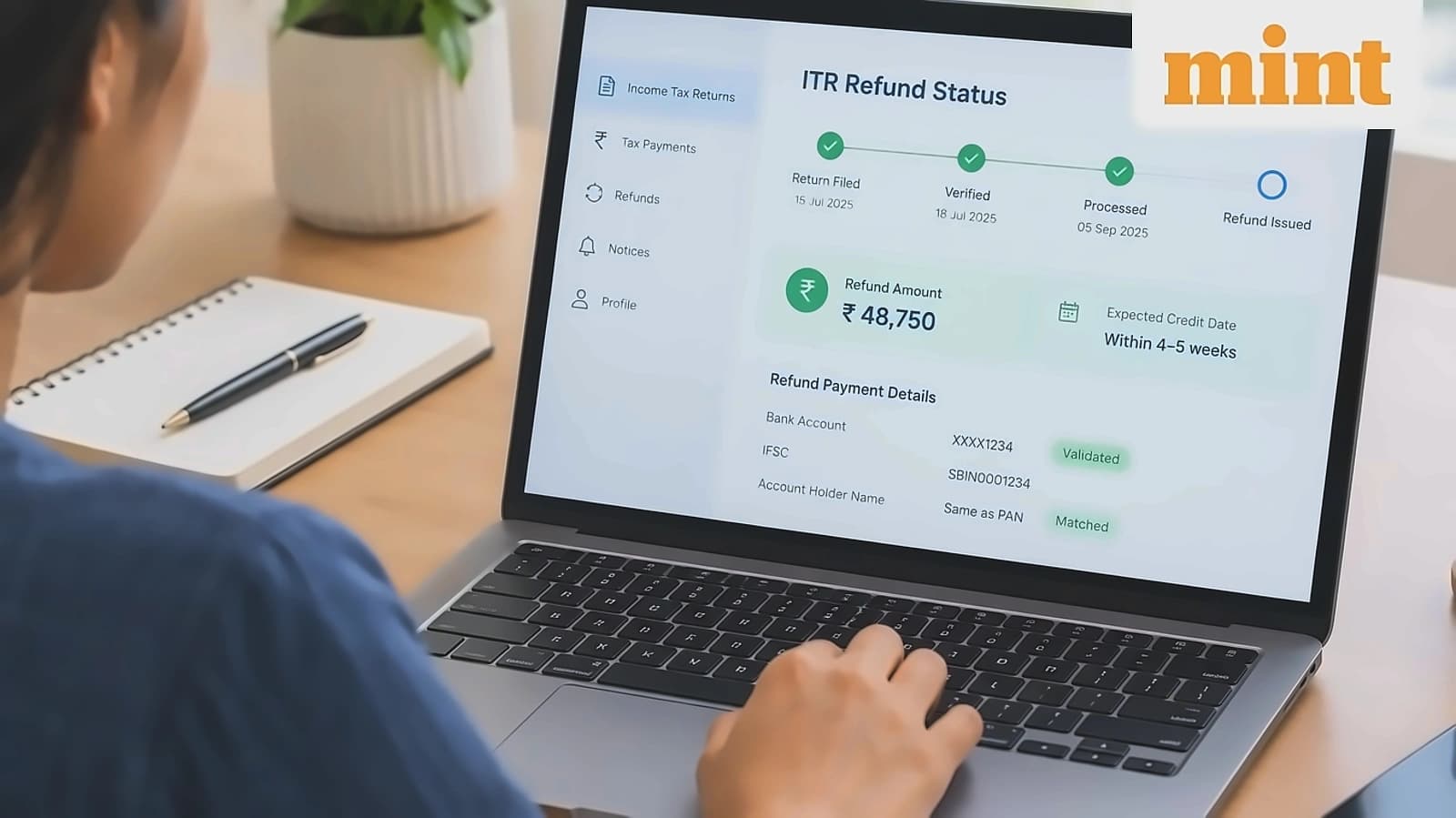
Taxpayers should understand that filing and e-verifying a return does not automatically mean the refund has been approved. The return must be processed, and the tax department must reconcile the information before releasing it. As reported by the department, refunds generally take about 4 to 5 weeks after e-verification. Taxpayers can monitor their refund status by logging into the income-tax e-filing portal and checking the return lifecycle under e-File > Income Tax Returns > View Filed Returns, which shows whether the return is verified, processed, or whether a refund has been issued, adjusted or failed. The portal can show different stages of the return, including verification, processing, defective notices, proposed refund adjustment, refund credit and refund failure, helping taxpayers distinguish between an ITR that is still being processed and a refund that has already been determined but could not be credited.
Several factors can cause refund delays even after verification. TDS or tax-credit mismatches can occur when there's a difference between the tax credits claimed in the ITR and information available with the department. A mismatch in TDS or TCS credits is one of the reasons a refund can remain pending, as the taxpayer may have claimed a particular amount of TDS in the ITR, while the corresponding credit may not be reflected correctly in Form 26AS or the department's records. Differences between the ITR and AIS, TIS or Form 26AS can also require reconciliation before the return is processed. Taxpayers should check their TDS/TCS details and reconcile them with Form 26AS, AIS and TIS. Additionally, outstanding demands from earlier assessment years can affect refunds, as the tax department can offset a refund against a confirmed outstanding demand if the taxpayer does not respond. Other issues that can hold up processing include a defective return, additional verification requirements or pending communication from the tax department.
Bank-account problems can prevent refunds from reaching taxpayers even after determination, including cases where the nominated bank account is not pre-validated, the account is closed, the IFSC is incorrect, or the account holder's name does not match PAN records. An inoperative PAN can also result in refund failures. The department advises taxpayers to check their e-filing account for any discrepancies, notices, or communications requiring action. If a refund has failed due to bank account details, taxpayers may need to correct the account information and submit a refund reissue request on the e-filing portal. Before raising a grievance, taxpayers should first establish exactly where the return or refund is stuck, as a refund can get stuck even after the tax calculation has been completed if there is a problem with the bank account registered on the e-filing portal.