Taxpayers filing income tax returns this season are experiencing significantly faster refund processing compared to previous assessment years. According to reports from the Income Tax Department's website, refunds are now being credited to taxpayer accounts within 7-10 working days for salaried individuals with straightforward tax returns. This represents a dramatic improvement from the traditional 4-5 weeks processing time that taxpayers have been accustomed to in previous years. The shift marks a significant change in how the income tax department processes refunds, with early trends showing that refunds are being credited often within this compressed timeline. Recent examples include chartered accountant Chirag Chauhan, who shared on X that an ITR filed at 12:30 pm on July 6 was processed by 1:30 pm, with the refund credited by 3 pm the same day. As per CA Abhishek Soni, CEO & Co-founder of Tax2win, many taxpayers are receiving their income tax refunds faster this year, with several refunds being credited within a week to 10 days of e-verification.
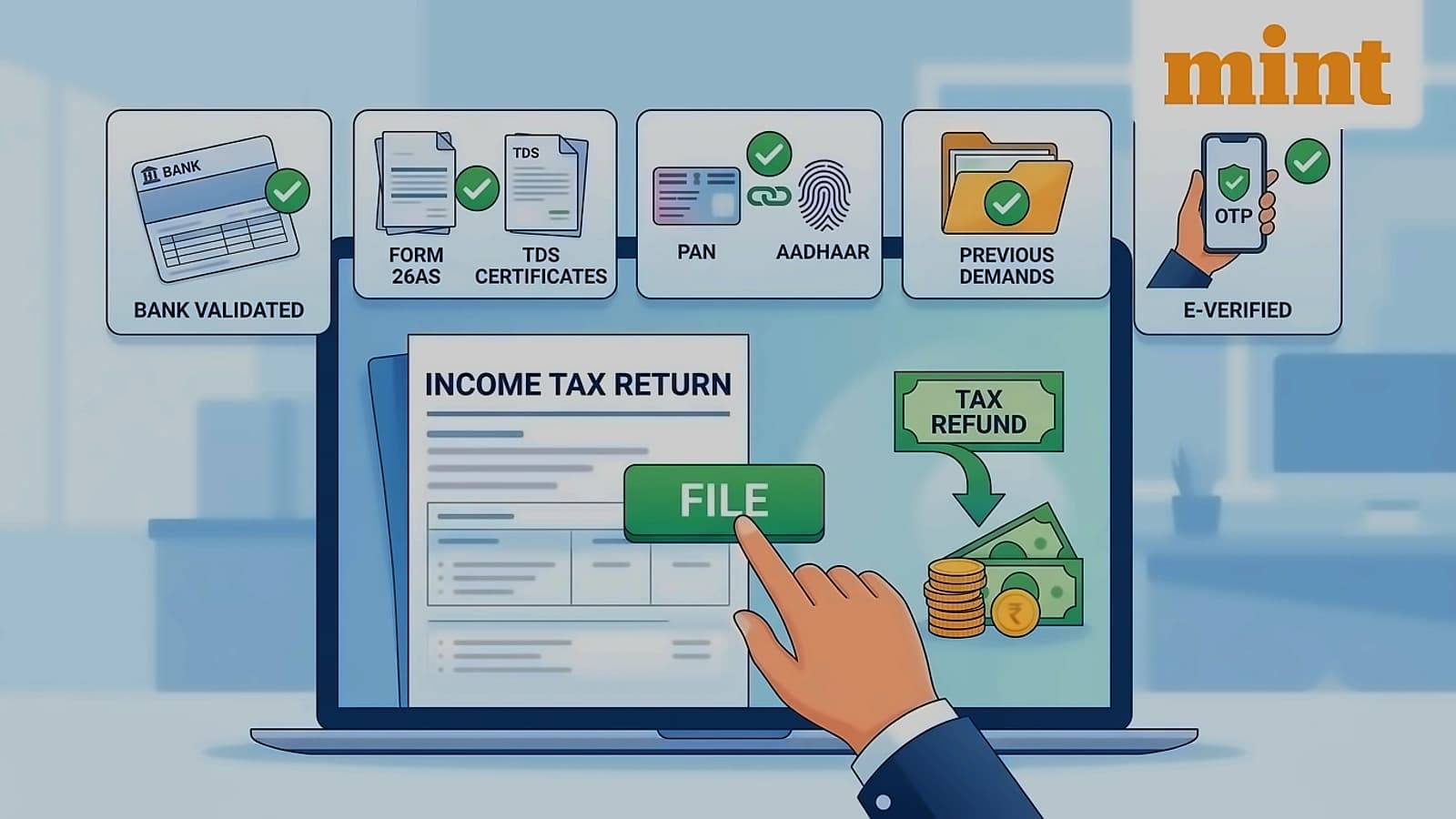
The enhanced processing speed is attributed to greater automation at the Income Tax Department's Centralised Processing Centre (CPC), effective use of pre-filled data, and quicker validation of returns. As reported by the Income Tax Department, the improvement is being driven by greater automation at the Income Tax Department's Centralised Processing Centre (CPC), effective use of pre-filled data, and quicker validation of returns. The processing ecosystem now relies on AIS, TIS, Form 26AS, pre-filled returns, automated validations, and real-time data integration from banks, employers, and brokers, among other reporting entities. This technological advancement has made the system more efficient over the years, enabling faster processing times for eligible taxpayers. According to tax experts, refunds are being processed faster this year, particularly when returns are filed accurately and verified without delay, with faster refunds typically seen in cases where the return is filed accurately, all income and TDS details match with AIS and Form 26AS, the bank account is pre-validated, and there are no discrepancies.
Refund processing only begins after the taxpayer e-verifies their return, and according to the Income Tax Department's website, it typically takes 4-5 weeks after e-verification for refunds to be credited to the taxpayer's account. A return that matches the Income Tax Department's records, especially AIS and TDS data, is more likely to be processed without delay. Correct bank account details and timely e-verification also play a key role in speeding up the process, though the system has become more data-sensitive with small discrepancies potentially causing delays. The faster processing system requires taxpayers to ensure all details are accurate and up-to-date to avoid any processing delays. As per CA Gaurav Singh Parmar, Associate Director of Fincorpit Consulting, if early refund is on your mind, then get the bank account details pre-verified and e-verify your income-tax return immediately. Sandeep Bhalla from Dhruva Advisors noted that generally, simpler returns filed in forms such as ITR-1 (salary and other basic income) and ITR-4 (presumptive business/professional income) tend to be processed more quickly than returns involving complex disclosures.
While the system has become faster, it does not guarantee speedy refunds in all cases. As reported by the Income Tax Department, some returns also get delayed due to additional scrutiny under the Income Tax Department's automated risk filters, which is designed to identify cases where income may have been underreported. This automated risk assessment ensures proper verification of taxpayer compliance before processing refunds, meaning even returns that appear straightforward may face delays if they trigger these filters. The system's increased sensitivity means even small discrepancies between what taxpayers report and what appears in official records can cause a delay in refunds. According to CA Gaurav Singh Parmar, 2026 will likely witness in excess of 2.4 million taxpayers seeing their refund amount delayed beyond 90 days of ITR filing, with processing backlog being a huge contributor to the issue, along with Form 26AS discrepancies and CBDT's NUDGE compliance campaign.
Taxpayers can easily check their refund status in real-time by logging into incometax.gov.in and navigating to e-File > Income Tax Returns > View Filed Returns. By clicking on 'View Details' for the relevant assessment year, taxpayers can see their current refund status and track the progress of their refund processing. This online facility provides taxpayers with real-time visibility into the status of their refund applications, helping them plan their finances more effectively during the waiting period. With July 31 approaching as the first due date for ITR filing for AY 2026-27, filing returns well before the due date while ensuring accuracy and completeness can help avoid unnecessary delays and the last-minute rush.