The Income Tax Department's approach to digital payment monitoring focuses on financial information and potential discrepancies rather than treating specific payment modes as automatic triggers for scrutiny. According to reports from Mint, using UPI, NEFT, RTGS or IMPS to transfer money does not, by itself, mean the transaction will trigger an income tax notice. The department's reporting and compliance systems examine whether money moving through bank accounts can be explained and reconciled with reported income, investments and other financial information.
The department receives financial information from banks and financial institutions under the Statement of Financial Transactions (SFT) framework. As reported by Mint, Section 285BA of the Income-tax Act, 1961, read with Rule 114E, requires specified entities to report prescribed financial transactions including specified cash deposits and withdrawals, certain time deposits, credit-card payments, purchase or sale of immovable property, securities and other reportable transactions. While a large NEFT or RTGS transfer is not automatically equivalent to a reportable SFT simply because it is high-value, these transactions can form part of the financial trail examined when the department identifies a mismatch.
The department may seek explanations for transactions that appear inconsistent with reported income levels. According to Mint, if a taxpayer reports relatively modest business income but their bank account regularly receives sizeable credits, the department may seek an explanation if those receipts are not adequately accounted for as business receipts, loans, gifts, investment proceeds or legitimate sources. Similarly, if a taxpayer makes a large investment or property purchase through bank transfer, the focus remains on establishing the source of funds rather than the payment method used.
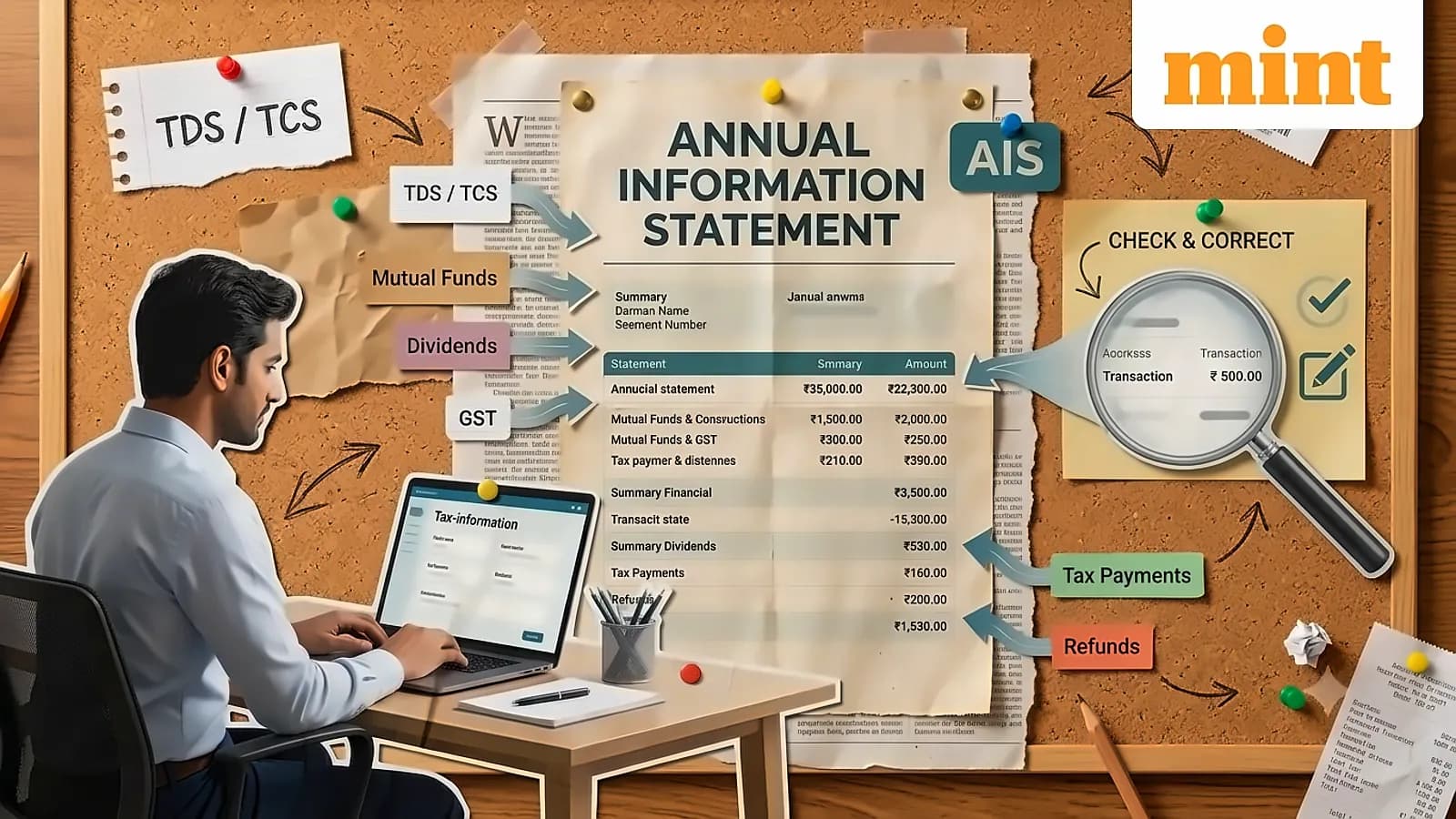
The Annual Information Statement (AIS) provides taxpayers with a consolidated view of information available with the Income Tax Department, including TDS/TCS information, SFT information, tax payments and other sources. As reported by Mint, Form 26AS primarily displays TDS/TCS-related information from assessment year 2023-24 onwards, while broader transaction-related information is available through AIS. Taxpayers should compare their ITR with AIS, Form 26AS, bank statements and investment records before filing returns, particularly focusing on income on which TDS has been reported, capital gains, interest income and SFT-reported transactions.

The department's Compliance Portal provides for e-campaigns relating to significant transactions and high-value transactions, enabling taxpayers to view and respond to active e-campaigns, e-verification requests and e-proceedings. According to Mint, there is no income-tax penalty or notice merely because a person uses UPI, NEFT, RTGS or IMPS. The key concern remains unexplained transactions or mismatches between financial activity and disclosed tax return information, with maintaining clear source-of-funds trails and reconciling ITR with AIS and other financial records helping taxpayers avoid unnecessary complications.