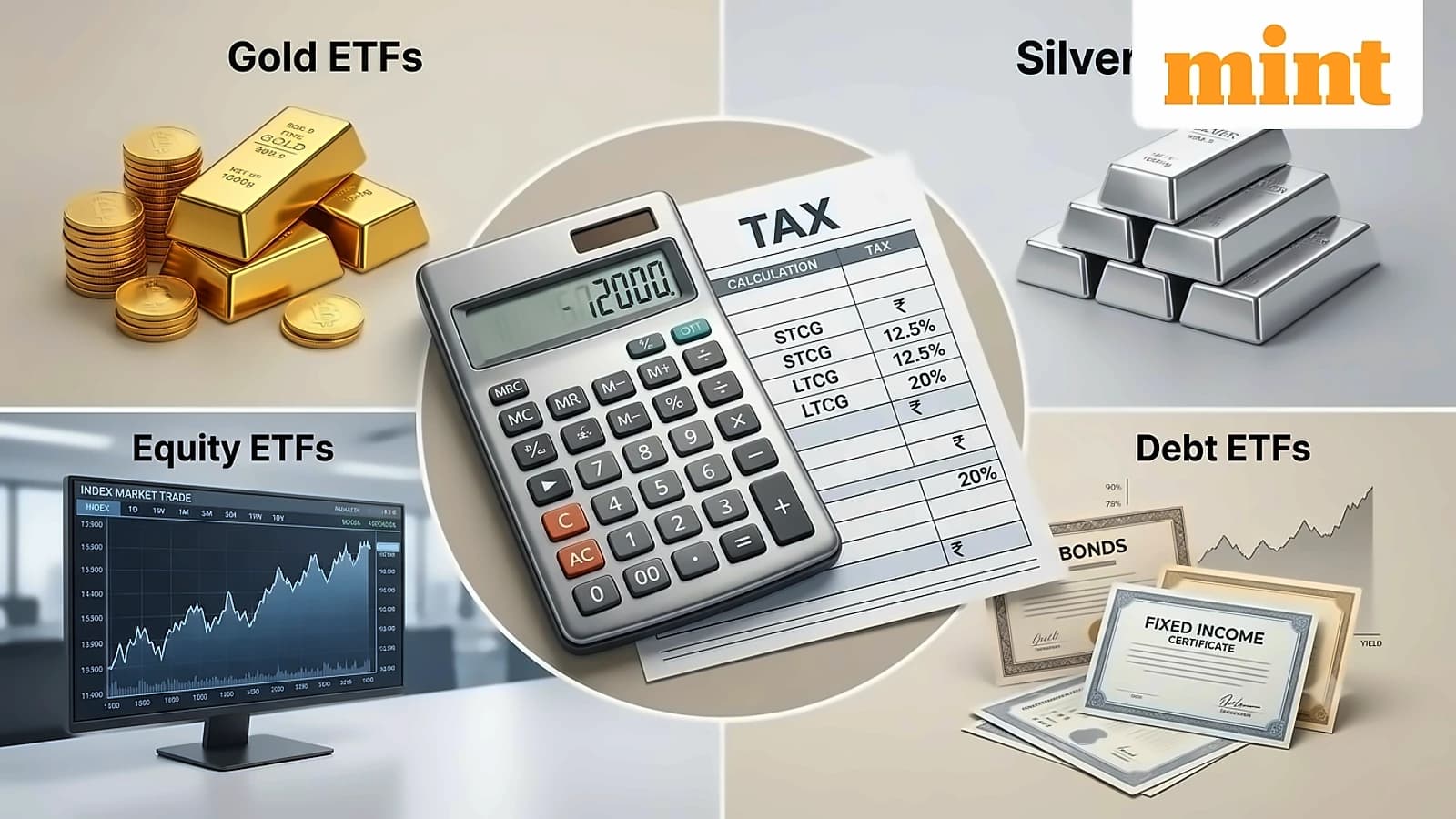
Silver investments come in various forms including exchange-traded funds (ETFs), fund of funds (FoFs), physical silver such as jewellery and household utensils. According to reports from Mint, the tax treatment differs significantly based on the investment type and holding period. Capital gains tax applies to ETFs, FoFs, and physical silver, while GST is levied on purchasing physical silver. Recent market developments show that silver has experienced significant volatility, with prices declining from ₹9,144 per 10 grams to ₹4,572 per 10 grams according to latest market data.
Silver ETFs qualify for long-term capital gains (LTCG) treatment after holding for more than 12 months. As reported by Mint, silver FoFs or mutual funds are considered long-term investments only after being held for more than 24 months. The same 24-month holding period applies to physical silver, including bullion, coins, and jewellery. If investments are sold before the specified holding period, any gains are treated as short-term and taxed according to the investor's applicable income tax slab. Long-term gains are taxed at 12.5% without indexation. Recent market corrections have made silver more accessible to investors, with prices declining significantly from previous highs.
Purchasing physical silver, including silver jewellery, bullion, coins, and bars, attracts 3% GST on the value of silver mentioned in the invoice, according to Mint reports. For purchases made within the same state, the tax is split equally between Central GST (CGST) and State GST (SGST). For inter-state transactions, Integrated GST (IGST) is applicable. For silver jewellery, buyers should note that making charges attract an additional 5% GST, levied separately from the GST on the value of the silver. Recent market volatility has created buying opportunities for investors seeking to accumulate physical silver at lower prices.
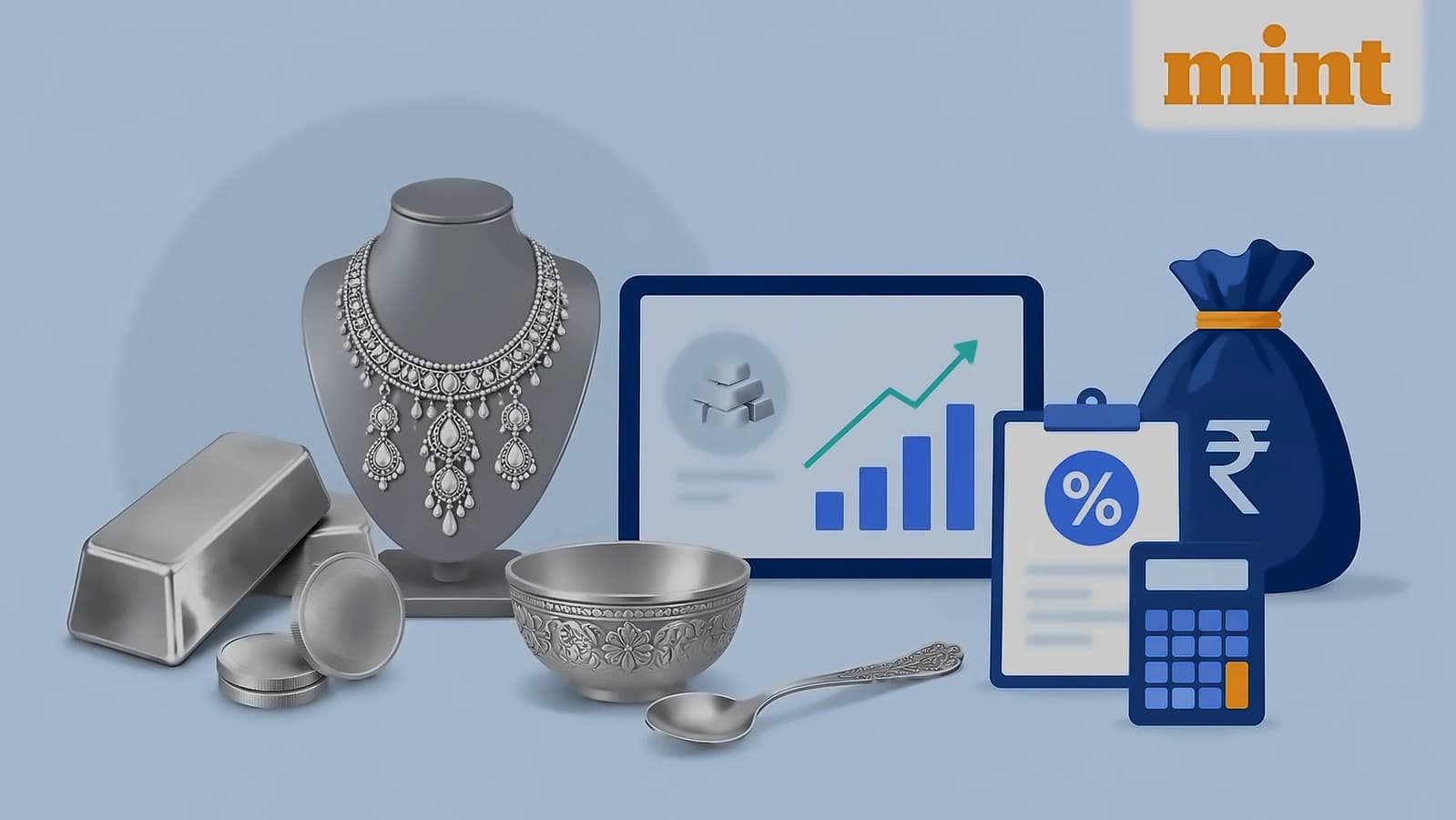
Silver utensils are not considered capital assets because they are generally meant for personal or household use, as reported by Mint. As a result, capital gains tax provisions typically do not apply to their sale. This exemption applies regardless of the holding period, making silver utensils a unique category in the silver investment landscape. The utility-focused nature of these items ensures they remain outside the capital gains tax framework, providing investors with tax-efficient options for silver exposure.