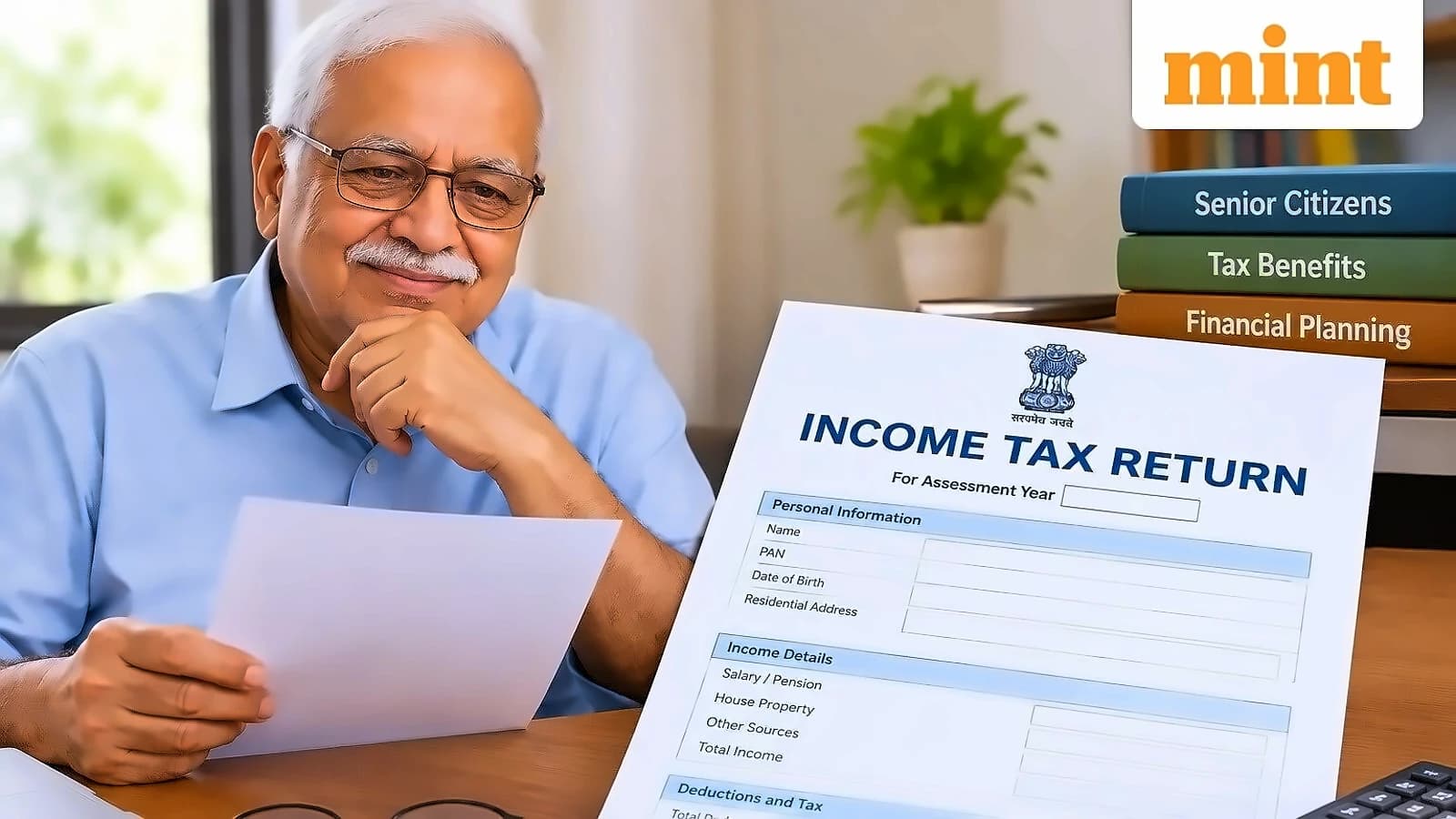
Senior citizens can claim a ₹50,000 deduction for medical expenses under Section 80D of the Income-tax Act, even without health insurance. According to the latest Section 80D bare Act text from incometaxindia.gov.in, this provision applies to any insured person aged 60 or above during the year, with the bucket's cap increasing from ₹25,000 to ₹50,000 for senior citizens. For a senior citizen in the 20% tax bracket, this deduction can save ₹8,320 - equivalent to 11 months of daily chai habit. The deduction applies to actual medical expenditure incurred during the financial year, with no distinction between senior citizens (60+ years) and very senior citizens (80+ years).
Section 80D covers three broad categories of eligible expenses. As reported by incometaxindia.gov.in, health insurance premiums can be claimed as deduction when paid through non-cash modes (bank transfer, UPI, card, cheque, or NEFT) and actually paid within the financial year. Medical expenses for senior citizens without health insurance policies are also eligible, with the actual amount paid within the ceiling limit. Additionally, preventive health check-ups are eligible for deduction up to ₹5,000, with payments allowed in cash. For seniors who pay health insurance premiums for their parents, the deduction can be claimed for whichever is higher - either the premium amount or actual medical expenses, subject to the ₹50,000 cap. The preventive check-up spend of ₹6,000 can be claimed only up to the ₹5,000 sub-limit, with ₹1,000 not eligible for deduction.
Children can claim tax deductions under Section 80D for medical bills paid for their parents, provided the parents are senior citizens aged 60 or above and do not have active health insurance. According to incometaxindia.gov.in, the deduction is available only for actual medical expenditure incurred during the financial year and is capped at ₹50,000, regardless of whether the individual is a senior citizen or very senior citizen. For example, a 65-year-old resident senior citizen spending ₹45,000 on medical treatment can claim the entire amount as deduction, while eligible expenditure exceeding ₹50,000 will be capped at the maximum limit. If a senior citizen has both a health insurance policy AND out-of-pocket medical expenses, total Section 80D deduction still caps at ₹50,000 - so prioritise the higher-value receipts when filing. However, parents-in-law premiums are not eligible for Ramesh's wife to claim under her own parents' limit - the fix involves Ramesh's wife paying the premium from her own income and filing her own return.
For ITR filing for FY 2024-25, seniors must gather all medical bills, pharmacy receipts, and doctor consultation invoices paid during the financial year as proof for the ₹50,000 deduction claim. As reported by incometaxindia.gov.in, the ITR filing deadline is July 31, 2025 for seniors, with different deadlines for different taxpayer categories. ITR-1 and ITR-2 have a deadline of 31st July 2026, while ITR-3 and ITR-4 are due 31st August 2026. Businesses requiring transfer pricing reports face a 30th November 2026 deadline, and belated returns must be filed by 31st December 2026. Confirm you are filing under the old tax regime - switch back if needed before submitting your ITR, as the new regime does not allow Section 80D benefits. Group your payments into two buckets: "self, spouse, children" and "parents," check each person's age as of March 31, 2026 to fix the ₹25,000 or ₹50,000 cap for that bucket, and add preventive check-up spend into whichever bucket has room.