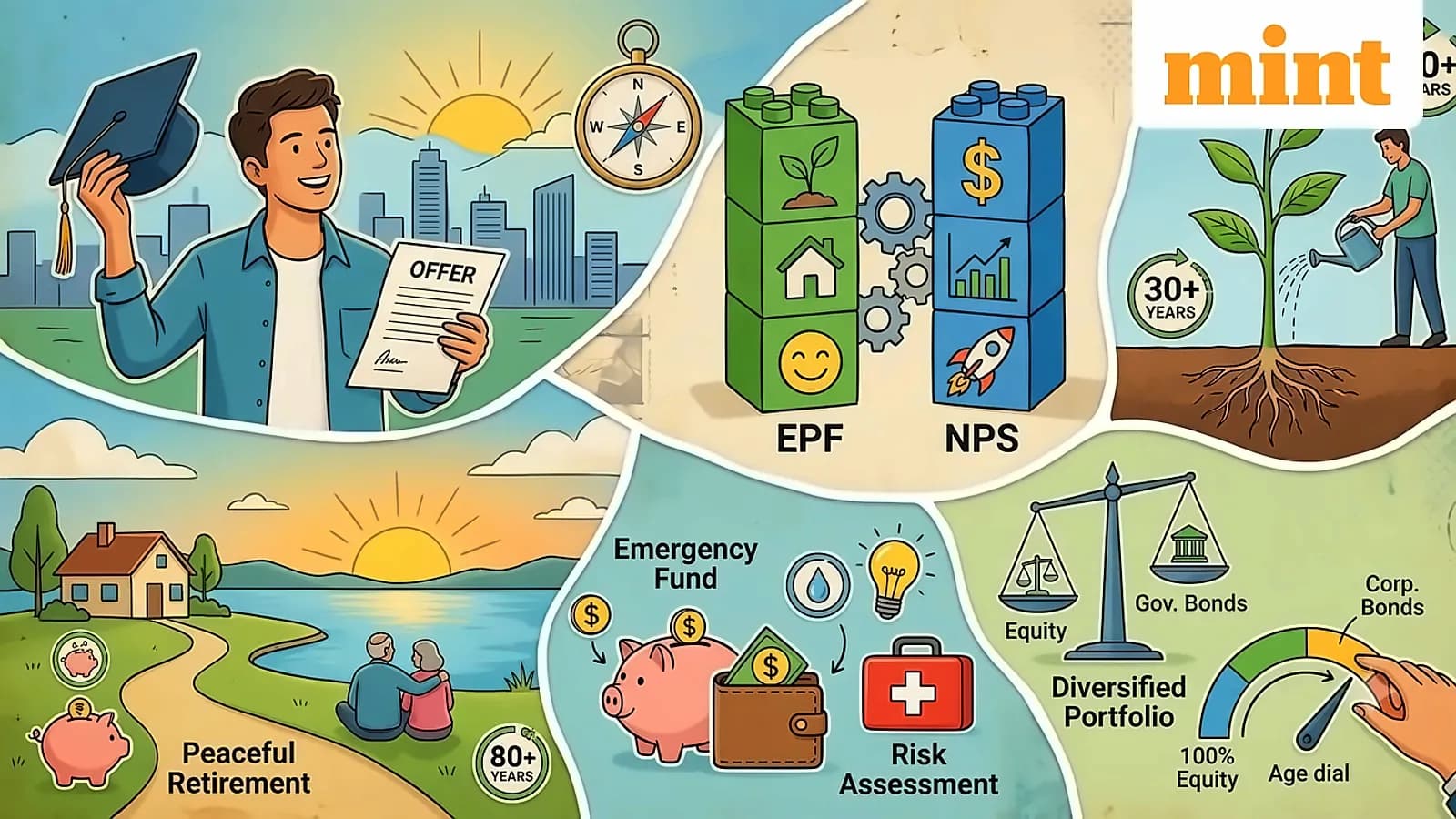
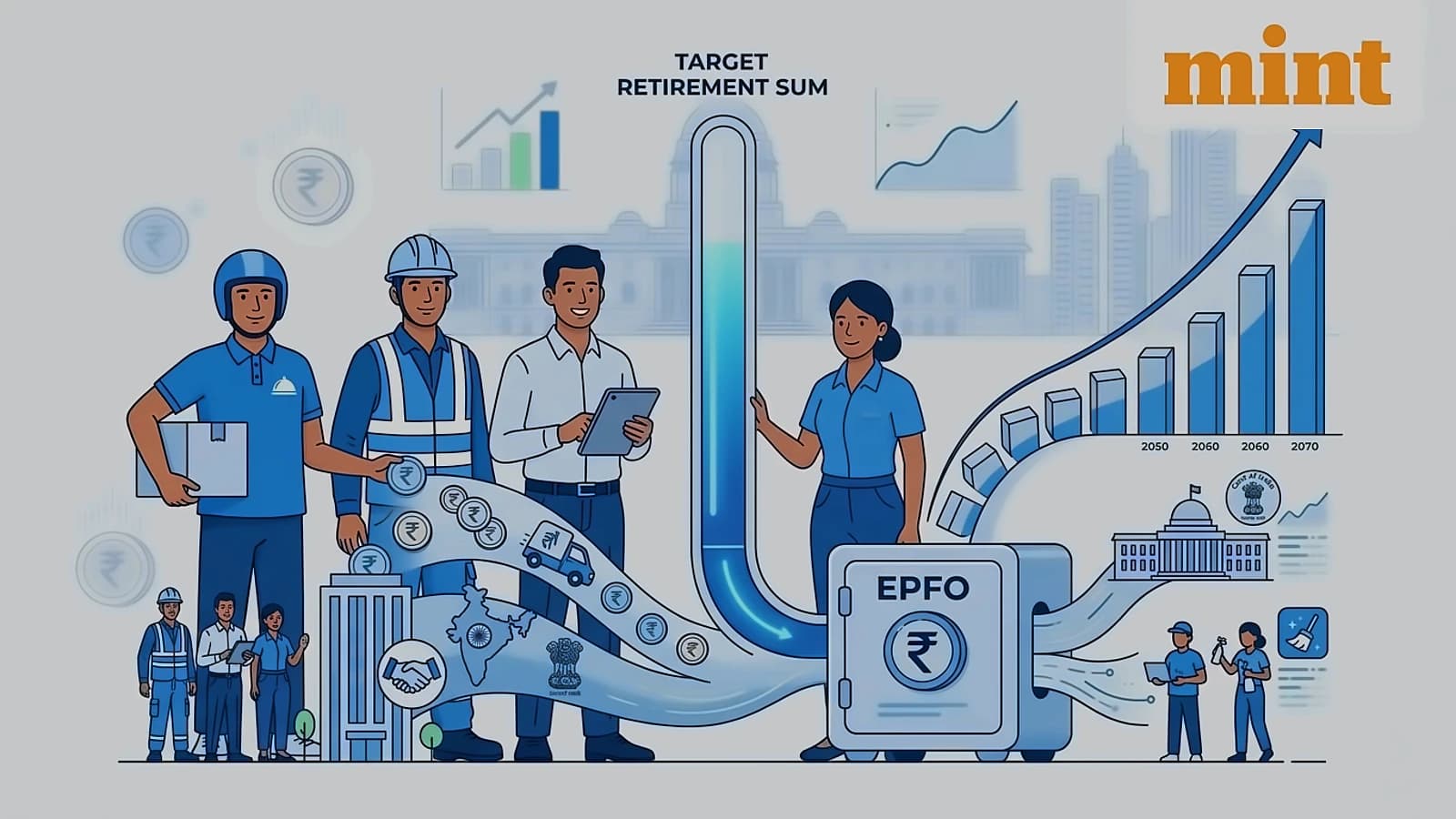
For salaried employees, retirement planning often includes automatic contributions through the Employees' Provident Fund (EPF) and employer-provided benefits such as pension, gratuity, and contributions. However, self-employed individuals including freelancers, consultants, entrepreneurs, and independent professionals must build their retirement corpus entirely on their own without any automatic employer contributions. According to reports from NDTV Profit, this absence of EPF does not mean retirement must result in a sudden stop in income, as disciplined investing and clear planning can create sustainable retirement income streams.

The first step involves estimating retirement expenses by calculating current monthly costs and adjusting for inflation. As reported by NDTV Profit, if a person spends ₹50,000 monthly today, that expense could be significantly higher in two or three decades due to inflation in housing, healthcare, insurance, travel, and everyday living costs. The calculation should factor in all relevant expenses to create a realistic retirement budget.
Self-employed individuals can utilize a combination of investment products rather than relying on a single source for retirement savings. According to the report, the National Pension System (NPS) can serve as one option for creating a dedicated retirement corpus, while Public Provident Fund (PPF) provides a long-term, government-backed savings avenue. Additionally, mutual funds, particularly diversified equity funds, can play a role for investors with long investment horizons and appropriate risk appetite. As retirement approaches, gradually increasing allocation towards relatively stable and income-generating assets can help reduce dependence on market-linked investments.
Building a large retirement corpus represents only half the challenge, as converting savings into regular income requires strategic planning. As reported by NDTV Profit, a retirement portfolio can potentially combine interest income, dividends, systematic withdrawals from mutual funds, and income from other assets. Rental income or a small business requiring limited active involvement can also become part of the retirement income mix. The key is to create multiple income streams rather than relying on a single source.
For self-employed professionals facing irregular income patterns, setting up automatic monthly investments during good-income months and increasing contributions when earnings rise can bring discipline to the retirement planning process. According to the report, treating retirement savings as a non-negotiable business expense is crucial, even without employer contributions. The earlier the retirement plan begins, the more time compounding has to work effectively, making consistent investment discipline essential for long-term success.