Market regulator SEBI has deployed extensive artificial intelligence capabilities in the portfolio management services (PMS) sector, with these tools generating a growing number of actionable alerts. According to Executive Director Manoj Kumar, speaking at the Association of Portfolio Managers in India (APMI) PMS Leadership Conclave in Chennai, the AI tools have helped uncover patterns indicating recent instances of front-running in the PMS industry. Kumar revealed that "Recently, we have noticed our AI generating enough alerts, and over a period of time, the patterns emerging from those alerts suggest that a certain amount of front-running is also happening in the PMS industry." The regulator had previously believed that such practices were largely confined to the mutual fund space, but recent AI analysis has revealed their presence in the PMS sector as well.
The Securities and Exchange Board of India (SEBI) is finalising its consultation paper to review the regulatory framework for the portfolio management services (PMS) industry, with the document expected to be released 'very soon,' according to Executive Director Manoj Kumar. As reported by The Hindu BusinessLine, Kumar stated that the regulations were designed at a specific point in time, but business has grown significantly since then, creating expectations for regulatory alignment with current market conditions. Speaking at the PMS Leadership Conclave 2026 hosted by the Association of Portfolio Managers in India (APMI), Kumar emphasized that all these regulations were designed at some point of time, and now business has gone up over a period of time, so there is a huge expectation that regulation should also align itself to the changes.
SEBI is adopting a "handholding" approach towards compliance and resolution in the PMS sector, particularly regarding front-running practices. According to Kumar's statements at the Chennai conclave, the regulator is very accommodative when unintended violations occur, stating "We always see that when you operate, there can be some unintended violations. As long as these violations remain unintended, we are very, very accommodative." The regulator is currently analyzing how front-running has impacted investors in the PMS industry, indicating that the investigation into these practices is ongoing. This approach reflects SEBI's focus on education and guidance rather than immediate enforcement action.
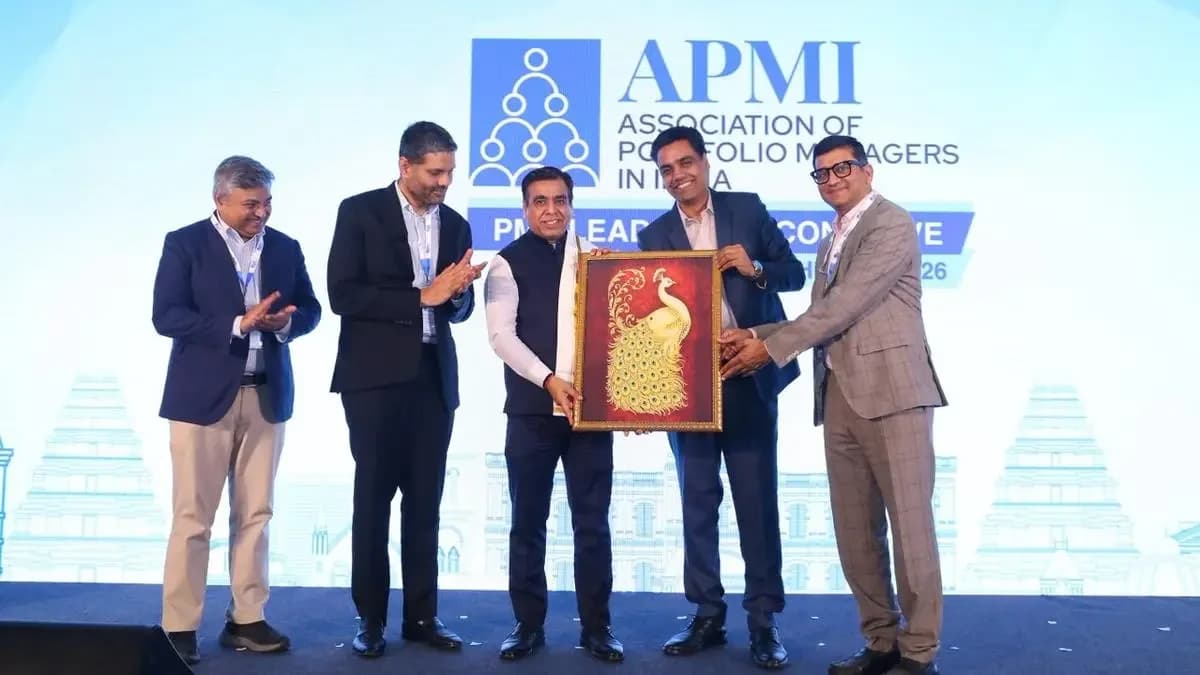
SEBI has started sharing its inspection observations with the industry body, representing a new approach to regulatory engagement. According to Kumar's statements to The Hindu BusinessLine, the regulator is working with the industry to enhance transparency, strengthen governance standards, and build investor confidence. The initiative follows the successful PMS Leadership Conclave 2026 hosted by the Association of Portfolio Managers in India (APMI), which brought together regulators, portfolio managers, distributors, family offices and wealth management professionals. As noted by Biharilal Deora, Chairman of APMI, the Chennai conclave follows the successful edition held in Kolkata last month, with the event commencing with an inaugural address by Kumar as chief guest.
Regarding streamlining fund flows from NRIs in the PMS segment, Kumar indicated that the Government has already taken steps for this during the Budget, but the industry now has to organize itself so that they can take a benefit of that. Speaking at the Chennai conclave, Kumar noted that the industry now has to organize itself so that they can take a benefit of the government's initiatives. The key highlight of the event was 'Chennai Speaks,' a special session moderated by Deora where members from the region discussed on the local business environment, industry challenges, expectations from APMI, and perspectives on regulatory developments. As the PMS sector continues to evolve, driven by growing investor participation and demand for customised investment solutions, it is essential for portfolio managers, distributors, family offices and regulators to work together to enhance transparency, strengthen governance standards and build investor confidence.