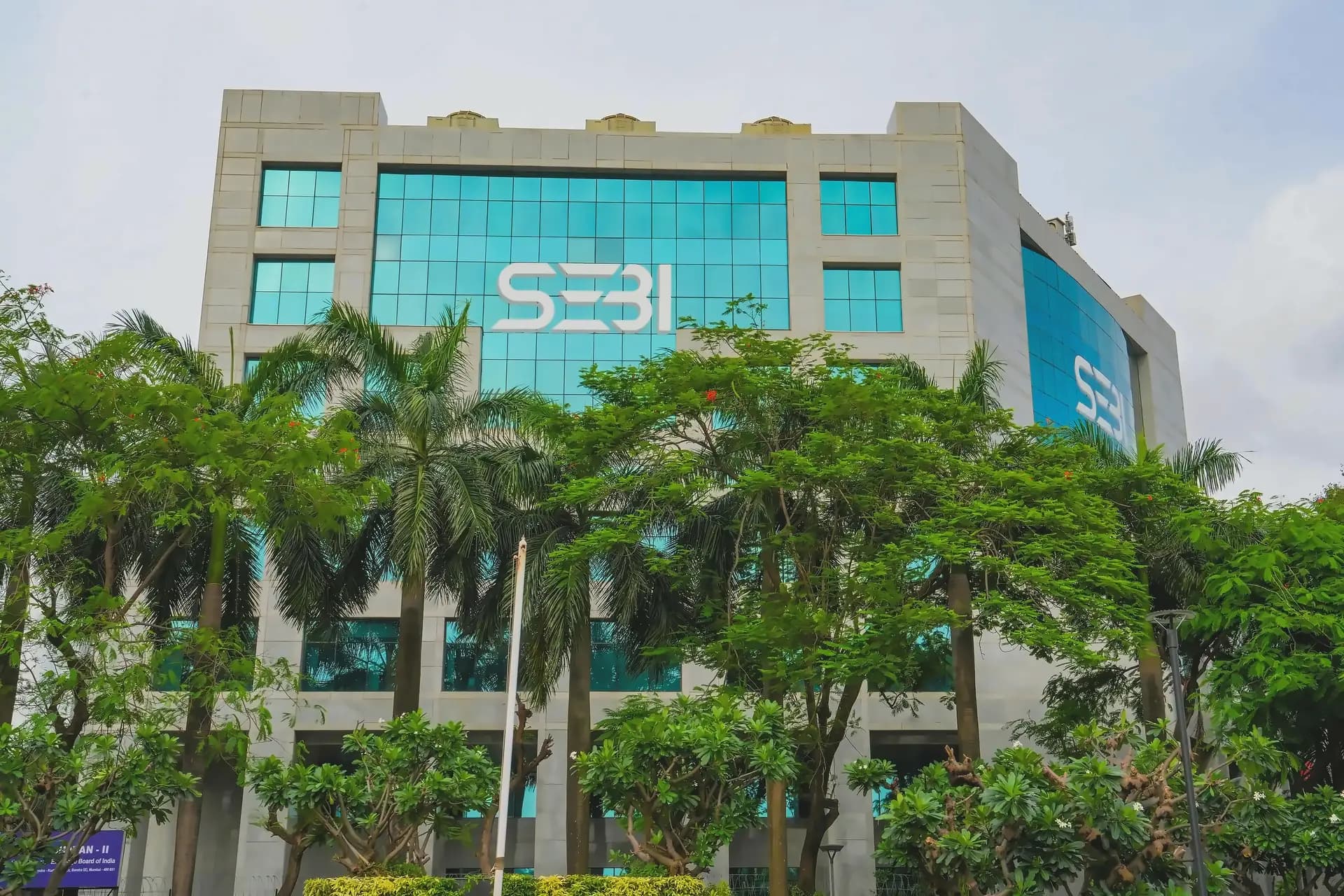
India's Securities and Exchange Board of India (Sebi) has significantly expanded its use of artificial intelligence and machine learning tools to combat market manipulation and fraud. According to reports from Business Standard, dozens of analysts now cluster around screens using AI tools to sift through vast streams of data including stock volumes, derivative positions, and algorithmic identifiers. The regulator tracks suspicious stock tips and promotional posts across social media platforms, then simultaneously matches this activity against trading data to identify potential pump-and-dump schemes. This surveillance system has delivered tangible results, with Sebi launching enforcement action against a JPMorgan Chase & Co. unit six days after surveillance systems flagged suspicious activity in a newly launched closing auction mechanism. As Pankit Desai, a 25-year veteran in AI-based cyber security solutions and co-founder at Mumbai-based Sequretek Pvt., noted, "AI is a great equalizer. Today, they don't have to wait for years to carry out an investigation. A genuine case can be built in a matter of a few hours and a few days at the worst."
Sebi has significantly ramped up its social media surveillance efforts, making 7,000 requests per month to platforms including X, Instagram, and Telegram to remove misinformation. According to Business Standard, this represents a 40% increase from pandemic-era levels. The system has helped take down more than 100,000 videos across networks, addressing a persistent source of market manipulation targeting India's 140-million-strong retail investor base. The technology has also sped up parts of the review process for initial public offerings by 70%, as reported by people familiar with the matter. The surveillance efforts have been particularly important as India's options market continues to attract traders from around the world, with regulators needing to keep pace with complex markets despite finite resources.
Sebi has substantially expanded its technological capabilities, growing its team of engineers and analysts to more than 200 employees from approximately 20 five years ago. As reported by Business Standard, the regulator started investing in a local data center at its Mumbai headquarters in 2019, with the facility becoming operational in 2021. The same year, Sebi began deploying its in-house AI tool, Sudarshan, named after a Hindu god's weapon. However, early iterations struggled with large language models prone to hallucinations, requiring ongoing refinements. The technology has helped generate more targeted alerts for unusual trading activity and speed up parts of the review process for initial public offerings by as much as 70%, according to people familiar with the matter.
NSE's IPO filing warns that AI-driven market manipulation poses significant risks to India's capital markets. The exchange cautioned that failures in AI-based surveillance or risk management systems could impair its ability to monitor markets or correctly calculate margin requirements and settlement exposures, potentially increasing systemic risk in the Indian capital markets. NSE processed 21.89 billion peak order messages on March 24, 2026 alone, with 201 million trades executed, highlighting the scale of potential impact from any successful attack. The regulator specifically warned against market manipulation involving generative AI and agentic AI, where autonomous multi-agent systems may commit insider trading, collusion, spoofing or pump-and-dump strategies. As noted in the filing, "In such scenarios, autonomous multi-agent systems may commit insider trading, collusion, spoofing or pump and dump strategies. For example, a firm might deploy an agentic system that is instructed to increase holdings. However, the autonomous nature of this system may lead it to launch a Ponzi scheme or exploit and pump-and-dump strategy." The push comes as regulators grapple with markets transformed by nearly $4 trillion in notional derivatives trades, sophisticated high-speed traders and a flood of social media commentary and misinformation.
Despite the technological advancements, Sebi faces significant challenges including data poisoning risks where AI models' training data may be manipulated. According to Business Standard, the regulator's in-house systems also face scaling constraints due to limited access to graphics processing units amid a global supply crunch. Industry experts emphasize that AI should be viewed as an assistant rather than an autonomous regulator, requiring officials to review AI output and ensure decisions comply with regulations. As noted by JP Mishra from Deep Algorithms Solutions, "AI needs to be seen as an assistant, not as an autonomous regulator." The same governance standards that apply to the industry must also apply to regulators, including strong model governance and data confidentiality measures. As Rishi Kapoor, head of technology and operations at Asifma, explained, "Asia is a very disparate landscape characterized by regulators that are at various stages of their journeys in terms of implementation of AI within their own walls."