The Supreme Court has issued a significant ruling emphasizing that ignoring property mutation notices can result in the permanent loss of legal rights, even if property owners believe their interests are secure. According to reports from Business Standard, the court stated that people cannot remain silent after receiving statutory notices and later claim ignorance of proceedings affecting their property. The ruling came in a dispute over a Will where a nephew inherited his aunt's properties, highlighting the importance of taking all legal notices seriously regardless of perceived security. Legal experts emphasize that the ruling carries an important lesson for property owners, legal heirs and anyone involved in succession matters: every legal notice relating to property should be taken seriously.
The dispute originated from a Will executed in 1989 by a woman who named her nephew as the sole executor and beneficiary of her properties. As reported by Business Standard, after her death, the nephew obtained probate of the Will in 1995, which is a court's certification that a Will is genuine and legally valid. Between 2010 and 2013, the nephew initiated mutation proceedings to have the properties recorded in his name, with notices inviting objections served on the woman's surviving relatives. The relatives admitted receiving these notices but did not object, believing the mutation records were already in their favor. In 2022, nearly three decades after probate was granted and around nine years after receiving the mutation notices, the relatives sought revocation of the probate, arguing that they became aware of it only in 2019.
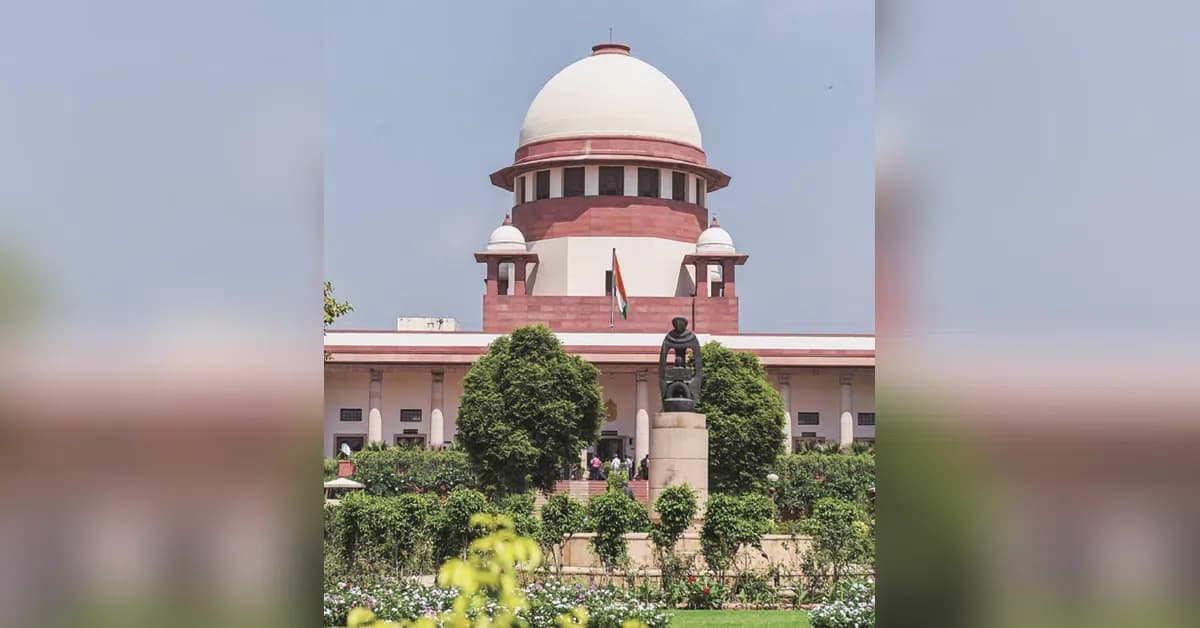
The Supreme Court held that the mutation notices served in 2013 amounted to constructive notice, meaning the relatives were deemed to have knowledge of the proceedings even if they claimed otherwise. According to Business Standard, the court observed that a prudent person would have made enquiries after receiving court notices relating to mutation proceedings, particularly when they believed property records stood in their own names. Risa Rodrigues from D. M. Harish & Co. LLP explained that the court found the relatives' conduct inconsistent with that of a reasonable person, noting that receiving fresh notices should have prompted them to investigate. The relatives' application filed in 2022 was rejected as time-barred, as they could not later argue they remained unaware of the probate until 2019. The court clarified that it was deciding only the limitation issue relating to revocation of probate, not determining ownership of the properties, and the separate title suit filed by the relatives remains pending.
Legal experts emphasize that the ruling reinforces the principle that ignoring legal notices can weaken or extinguish legal remedies. B. Shravanth Shanker from B Shanker Advocates LLP stated the ruling serves as a timely reminder that legal rights must be exercised with diligence, noting that courts are unlikely to favour parties who ignore statutory notices and later seek to reopen settled matters after long delays. Smriti Jaswal from Accord Juris noted that simply claiming lack of knowledge at a later stage may not overcome limitation, as parties are expected to make reasonable enquiries and take timely legal steps to protect their rights. Prachi Dubey from Delhi High Court added that the Supreme Court has once again applied the settled principle that the law assists those who remain vigilant, not those who sleep over their rights. The judgment reinforces the importance of constructive notice, finality in probate proceedings and timely assertion of claims.
The judgement serves as a reminder that mutation proceedings do not determine ownership, but notices issued during such proceedings should never be ignored. Whether the dispute relates to a Will, inheritance, or ownership, recipients of statutory notices should seek legal advice promptly and understand the implications. Legal experts warn that waiting for years before challenging probate or other legal proceedings could result in courts refusing to hear cases, regardless of the underlying property dispute. The ruling emphasizes that remaining passive despite knowledge of proceedings can prove fatal to legal claims, with Shashank Agarwal from Legum Solis noting that property disputes are won not only through legal rights but also through timely action. The judgment underlines that public notices, including those relating to property mutation, are deemed to be within the knowledge of the public once they enter the public domain.