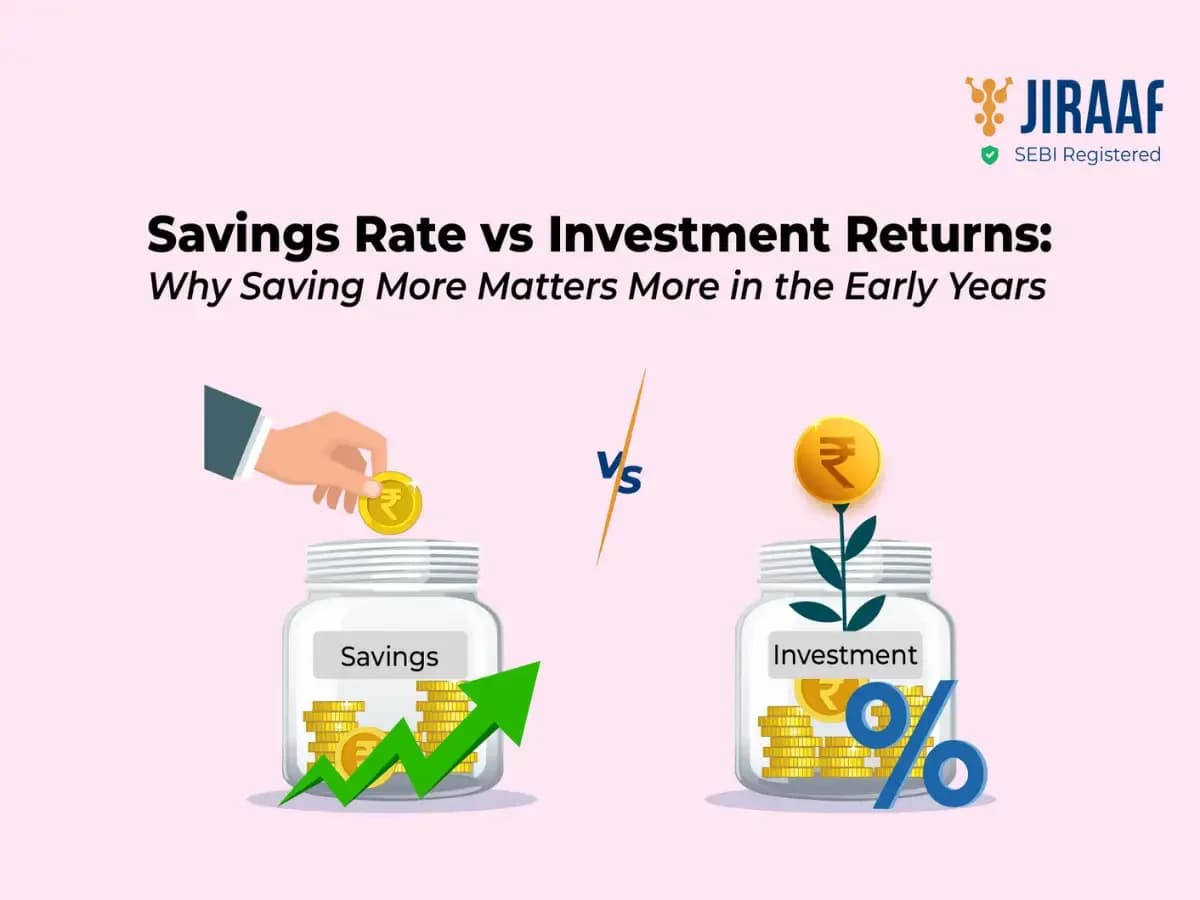


Recent analysis of Trump Accounts highlights the power of early savings over investment returns. According to Trump Accounts website data, children receiving $1,000 initial deposits can see their accounts grow between $6,000 and $271,000 by age 18, depending on parental contributions. As explained by wealth management expert Moes, starting with a thousand dollars and earning 10% returns in the first year creates a compounding effect where subsequent returns are calculated on the larger base amount. This demonstrates how early savings can significantly amplify wealth creation over time through the compounding principle. As reported by Horsley, the timing advantage is particularly significant for children born between 2025 and 2028, as many people don't start saving until their thirties and forties, allowing the money to compound for an extended period.
According to The Economic Times, compounding is often called the eighth wonder of the world, but investors often miss one crucial condition: compounding needs enough capital to work effectively. A high return on a small investment base may look impressive in percentage terms, but it may not create meaningful wealth in the early years. A higher savings rate, even with moderate returns, can help investors build the base on which compounding works harder later.
As reported by The Economic Times, the savings rate is largely within one's control, while investment returns depend on market cycles, interest rates, inflation, liquidity, and investor behavior. A person earning ₹1 lakh monthly and saving ₹20,000 has a savings rate of 20 percent. If the same person saves ₹40,000, the savings rate doubles to 40 percent. In the initial years, this change can have a larger impact than trying to move from a 10 percent return to a 15 percent return.
According to The Economic Times, two 25-year-olds with the same ₹12 lakh annual salary and 10 percent income growth demonstrate this principle. Investor A saves 40 percent of income at 10 percent annual returns, while Investor B saves only 20 percent but earns 15 percent returns. By year five, Investor A has built ₹38.65 lakh compared to Investor B's ₹22.13 lakh. By year ten, Investor A's corpus reaches ₹1.25 crore versus Investor B's ₹80.14 lakh. Even after 20 years, Investor A maintains the lead with ₹6.46 crore versus Investor B's ₹5.31 crore.
As reported by The Economic Times, this example challenges the common belief among young investors that wealth creation requires taking very high risk from the start. Investor A does not earn higher returns or rely on aggressive investing, but benefits from a stronger savings habit. The advantage comes from higher annual contributions that build the corpus faster, allowing even moderate returns to add meaningfully once the base becomes larger. As Dhirendra Kumar from Value Research explains, when starting out, how much you save matters far more than which fund you choose. The arithmetic shows that saving ₹20,000 monthly with 8% returns over ten years creates ₹36 lakh, while saving ₹12,000 monthly with 14% returns only generates ₹32 lakh. This demonstrates how the 'boring habit of saving more' beats the 'exciting habit of investing better' comfortably, as contributions do the heavy lifting for the first decade before returns begin to dominate.