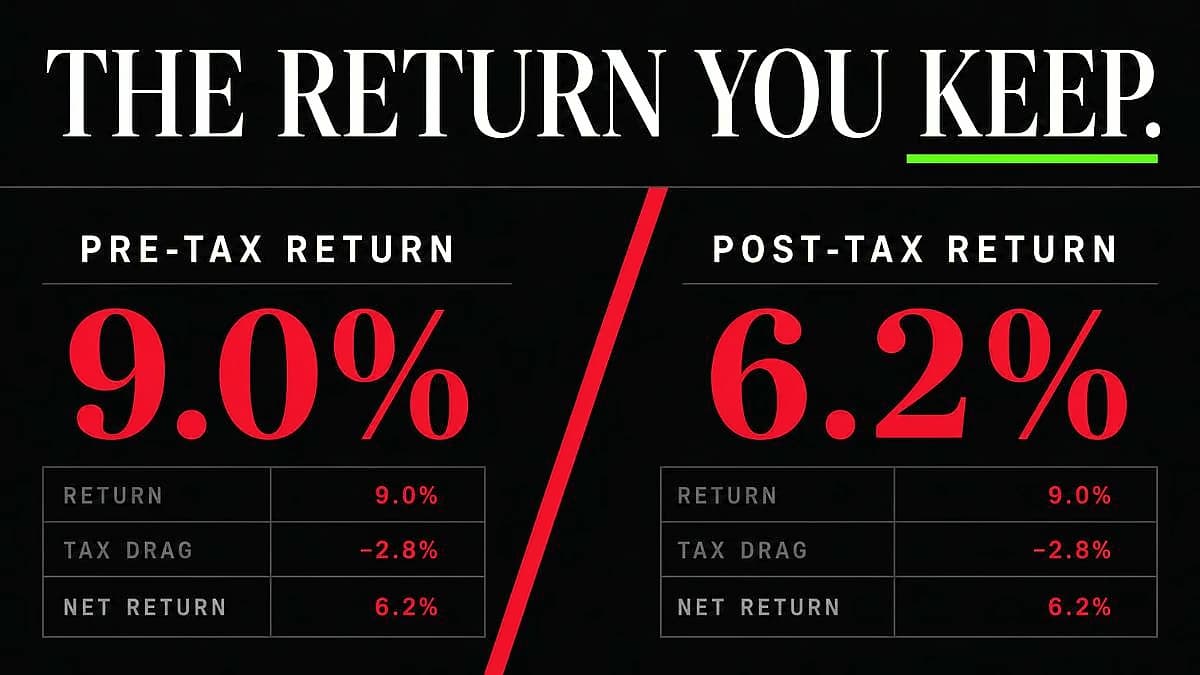
According to recent financial analysis, liquid funds have traditionally outperformed savings accounts in terms of returns, but post-2023 tax rules have fundamentally changed this landscape. The new regulations now tax the entire gain at the investor's slab rate, creating a significant shift in the comparison between these investment options. This tax treatment has become particularly relevant as investors navigate the current market environment where short-term interest rates have fallen over the past two years, making cash allocations less attractive. The analysis reveals that liquid funds may still provide better returns than savings accounts even after taxation, but the gap is not as substantial as it appears on paper returns.
As reported by financial experts, the post-tax performance of liquid funds and savings accounts varies significantly across different income slabs. The analysis reveals that liquid funds may still provide better returns than savings accounts even after taxation, but the gap is not as substantial as it appears on paper returns. This assessment becomes more critical as investors face the reality that cash has been generating negative inflation-adjusted returns for most of the past two decades, with current headline inflation at 4.2% and one-month Treasury yields at 3.7% creating continued real cash yield challenges. For retirees in their 70s, a moderately conservative investment strategy typically allocates approximately 40% to stocks, 50% to bonds and 10% to cash or cash-equivalent investments, with the focus gradually shifting from building wealth to using it wisely for travel, hobbies, and experiences. Historically, diversified stock portfolios have taken an average of about 3.5 years to recover from bear-market lows to their previous peaks, making it prudent to maintain two to four years' worth of living expenses in short-term bonds, certificates of deposit or other low-risk, liquid investments.
According to the detailed financial comparison, ₹1 lakh invested in liquid funds versus savings accounts shows the real post-tax impact. The analysis demonstrates how the tax treatment under current rules affects the net returns for investors across different income categories, providing concrete numbers for investment decisions. This comparison takes on added significance as money market fund assets near record highs at $7.9 trillion, indicating that many investors may have cash allocations that exceed what is appropriate for their financial plans. For retirees, a 4% return barely covers inflation, making it prudent to maintain two to four years' worth of living expenses in short-term bonds, certificates of deposit or other low-risk, liquid investments. Investing around 40% in stocks in your 70s is moderately risky, but many people are more aggressive than that, making diversified stock portfolios a viable option for long-term wealth preservation.
While cash may feel safe compared to daily stock market swings, history shows that holding too much cash creates real long-term costs that are often overlooked. The value of cash does not compound nearly as much over time compared to stocks, bonds, and other assets. Investment-grade corporate bonds currently yield 5.3% on average, while the Bloomberg U.S. Aggregate Bond Index yields 4.8%, more than one and a half times its average since 2009. Dividend-paying stocks in sectors like Real Estate, Energy, and Utilities currently offer yields above 3%, comparable to many shorter-term cash instruments. These alternatives can provide both income and capital appreciation potential, unlike cash which remains static in value. For retirees, investing around 40% in stocks in your 70s is moderately risky, but many people are more aggressive than that, making diversified stock portfolios a viable option for long-term wealth preservation. If you don't already have an emergency fund, this windfall presents a good opportunity to establish one, as it's recommended to set aside enough cash to cover any gap between your expected living expenses and your reliable sources of income.