According to reports from Mint, banks are required to report certain high-value cash transactions to the income tax department, including both withdrawals and deposits. Under current regulations, if the total cash deposits in a savings account exceed ₹10 lakh during a financial year, the bank must report this activity to the income tax department for source review. This ₹10 lakh per year limit applies to deposits made in one go or through multiple transactions in the relevant financial year, though it does not automatically trigger scrutiny.
As reported by Mint, when cash deposits exceed ₹10 lakh in a financial year, depositors must disclose the source of funds while submitting their income tax return (ITR). Funds from taxable sources such as salary, business income, stock trading, or rental income will be taxed according to applicable income tax rules. To avoid fines or fees, it is essential to maintain proper records including salary slips, business revenue records, and rental agreements to confirm deposits. Additionally, Tax Collected at Source (TCS) may apply when total LRS remittances exceed ₹10 lakh in a financial year, though this amount can normally be claimed as tax credit while filing the income-tax return.

According to Mint, bank customers must comply with several additional cash transaction rules beyond the annual ₹10 lakh threshold. Any single cash deposit exceeding ₹50,000 must be accompanied by a Permanent Account Number (PAN), or Form 60 if no PAN is available. Additionally, Section 269ST of the Income-tax Act prohibits accepting ₹2 lakh or more in cash from one person in a single day, even if payments are split across multiple transactions, with violations attracting penalties equal to the transaction value.
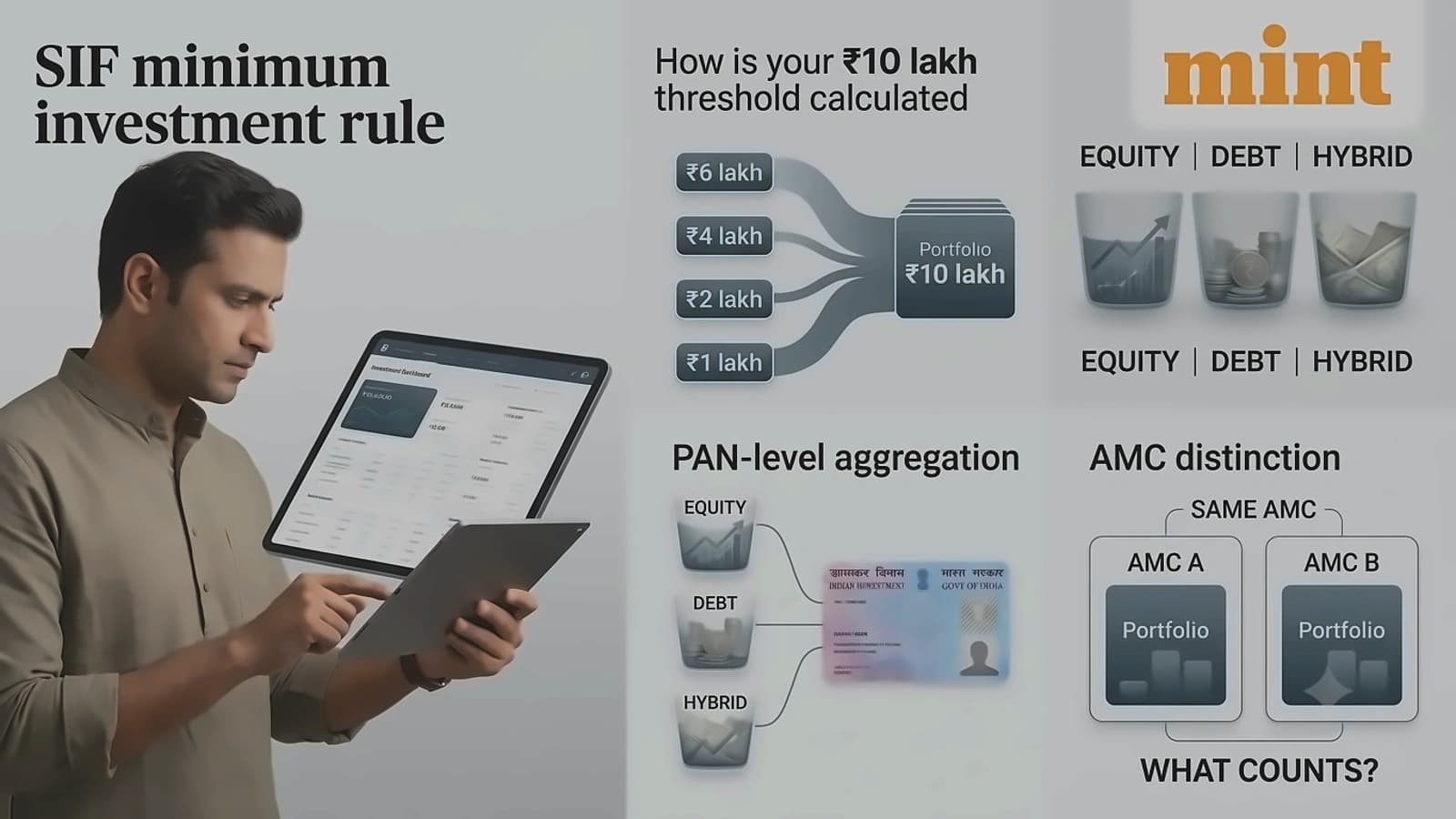
As reported by Mint, savings accounts are designed to help manage money through cash deposits, withdrawals, and payments. These limits exist to track and regulate such transactions, prevent suspicious activities such as tax evasion, money laundering, or use of unaccounted cash. The ₹10 lakh tax threshold is PAN-based, not bank-based, and applies to both inward and outward remittances under the RBI's Liberalised Remittance Scheme. The article recommends checking account statements regularly to ensure compliance with cash deposit and withdrawal limits, and maintaining detailed records of large transactions to avoid potential regulatory issues.