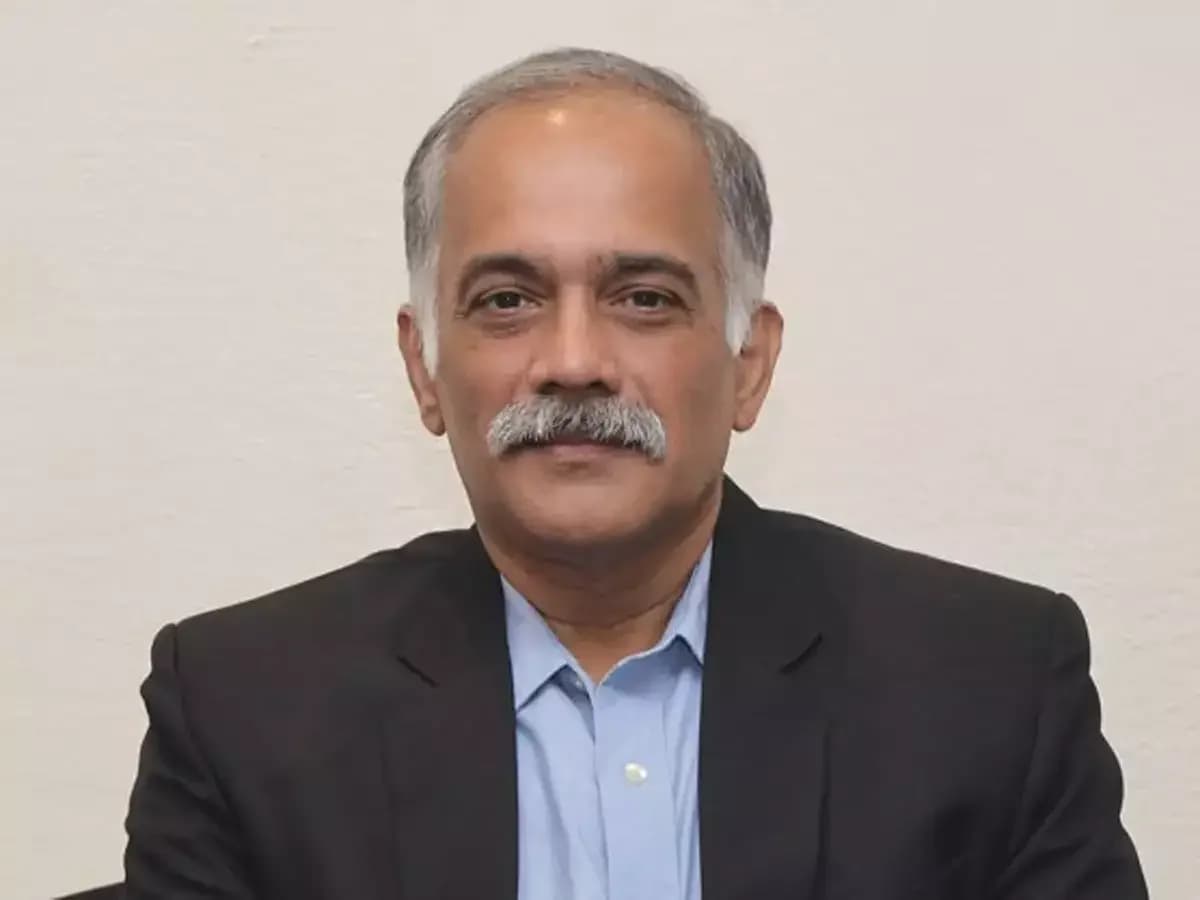
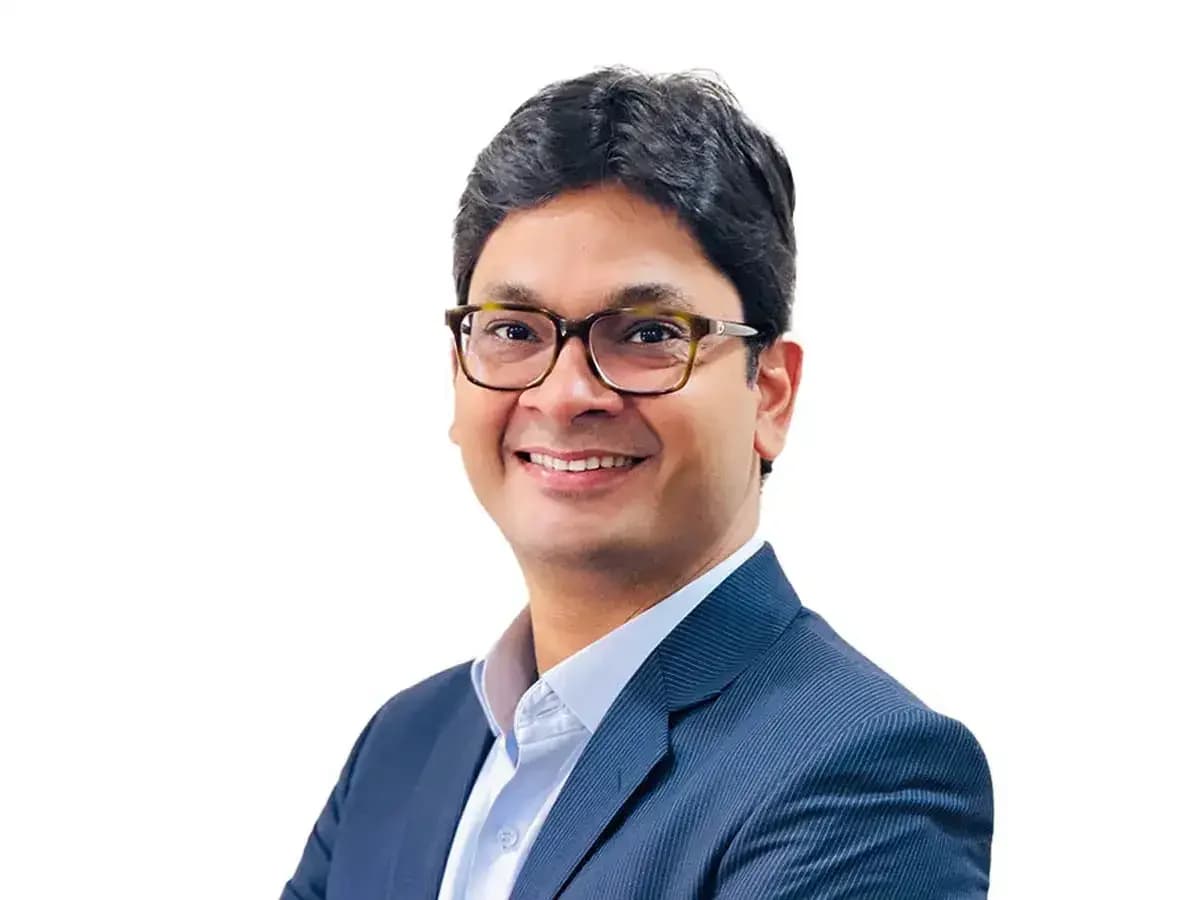
Retail investors have demonstrated remarkable resilience in the face of geopolitical uncertainty, according to Shriram Wealth MD & CEO Vikas Satija. As reported by Business Standard, Satija noted that many clients have approached asking whether this is the right time to increase allocations rather than reduce them, indicating confidence in long-term market prospects. Despite temporary disruptions from the West Asia conflict, the overall market structure remains healthy with nothing fundamentally changed for India's growth story. The next couple of quarters may face challenges due to higher oil prices, currency movements and inflationary pressures, but the long-term India story remains intact with strong consumption story and attractive growth market characteristics. Peter McGuire, CEO of Trading.com Australia, echoes this sentiment, telling ET Now that "India will start looking attractive slowly and gradually. We've got to get through the Middle East issue and what's happening with energy prices." McGuire emphasized that "India's day in the sun, it is really your century in the sun" due to the country's demographic advantages, entrepreneurial spirit, and young population.
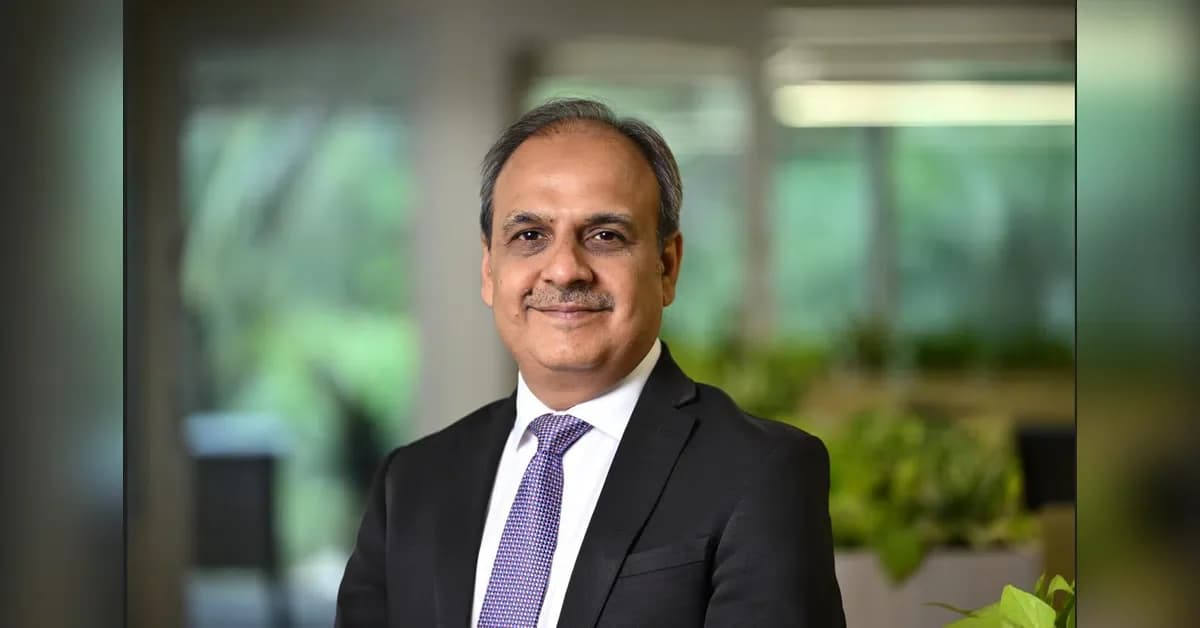
The wealth management sector presents substantial growth opportunities over the next two decades, with India's total savings currently at $1.2 trillion, representing 30% of the $4 trillion economy. According to Shriram Wealth analysis reported by Business Standard, if India becomes a much larger economy by 2047, savings could grow from around $1.2 trillion to nearly eight times that level. Currently, only 15% of India's wealth is professionally managed compared to 60-70% in developed markets globally, indicating significant room for expansion. Satija emphasized that the professionally managed share could rise from 15% to 30%, 45% or even 60% as the industry grows eight times over the next two decades. McGuire's conviction in India is similarly "rooted in fundamentals rather than short-term market movements" and "I truly believe in the India story. I don't say that because I'm talking to you. I believe it wholeheartedly."
The wealth management industry faces mounting pressure from regulatory caps on fees, increasing competition, and growing player numbers, all contributing to margins coming under pressure. As reported by Business Standard, Satija highlighted that three major cost components - employee costs, infrastructure costs and technology costs - are likely to rise significantly. The industry is evolving toward a more institutionalized and professionally managed approach, with margins remaining under pressure as the business becomes more sophisticated. Wealth management firms are increasingly required to provide highly qualified professionals who can provide quality solutions to clients, moving away from traditional product-driven approaches toward comprehensive solutions-based services. McGuire noted that "There's going to be a fight for capital. Capital always finds the best return, or what investors believe is alpha."
According to Shriram Wealth's expansion plans reported by Business Standard, the company focused on 12 Tier 1 cities in the first year and plans to expand to the top 50 cities over the next five years. While the top five cities still account for more than 50% of industry assets under management, 35% of net incremental inflows have come from beyond Top 30 cities over the last three years. The company leverages its existing infrastructure with over 1,10,000 employees and around 4,700 branches to expand into cities like Lucknow, Nasik, Bhubaneshwar and Kochi, which represent significant opportunities across the country. McGuire's expansion philosophy aligns with this approach, emphasizing that "It is dynamic. It challenges every frontier. It has a young population, entrepreneurial spirit, and it ticks all the boxes."
Looking ahead, Satija emphasized that trust remains the biggest differentiator in wealth management, with the industry moving toward solutions-based approaches rather than product-driven models. As reported by Business Standard, he identified three key areas for regulatory focus: continuing progressive regulatory approach, increased awareness in Tier-2 and Tier-3 cities, and higher standards for professional entry requirements. The industry requires better-qualified advisors rather than higher entry barriers, with wealth management firms increasingly needing professionals who can provide comprehensive solutions across investment, lending, protection, global investing and legacy planning needs. McGuire's outlook reflects similar optimism, noting that "The industry is moving toward solutions-based approaches rather than product-driven models" and emphasizing that "trust remains the biggest differentiator."