The Reserve Bank of India (RBI) has established clear guidelines for bank account inactivity, classifying savings and current accounts as inoperative after more than two years without customer-induced transactions. According to reports from Mint, this regulation is designed to ensure financial stability and account security while maintaining proper oversight of unused banking accounts. The RBI regularly advises account holders through text messages, emails, and official press releases to monitor their unused accounts and maintain their active status.
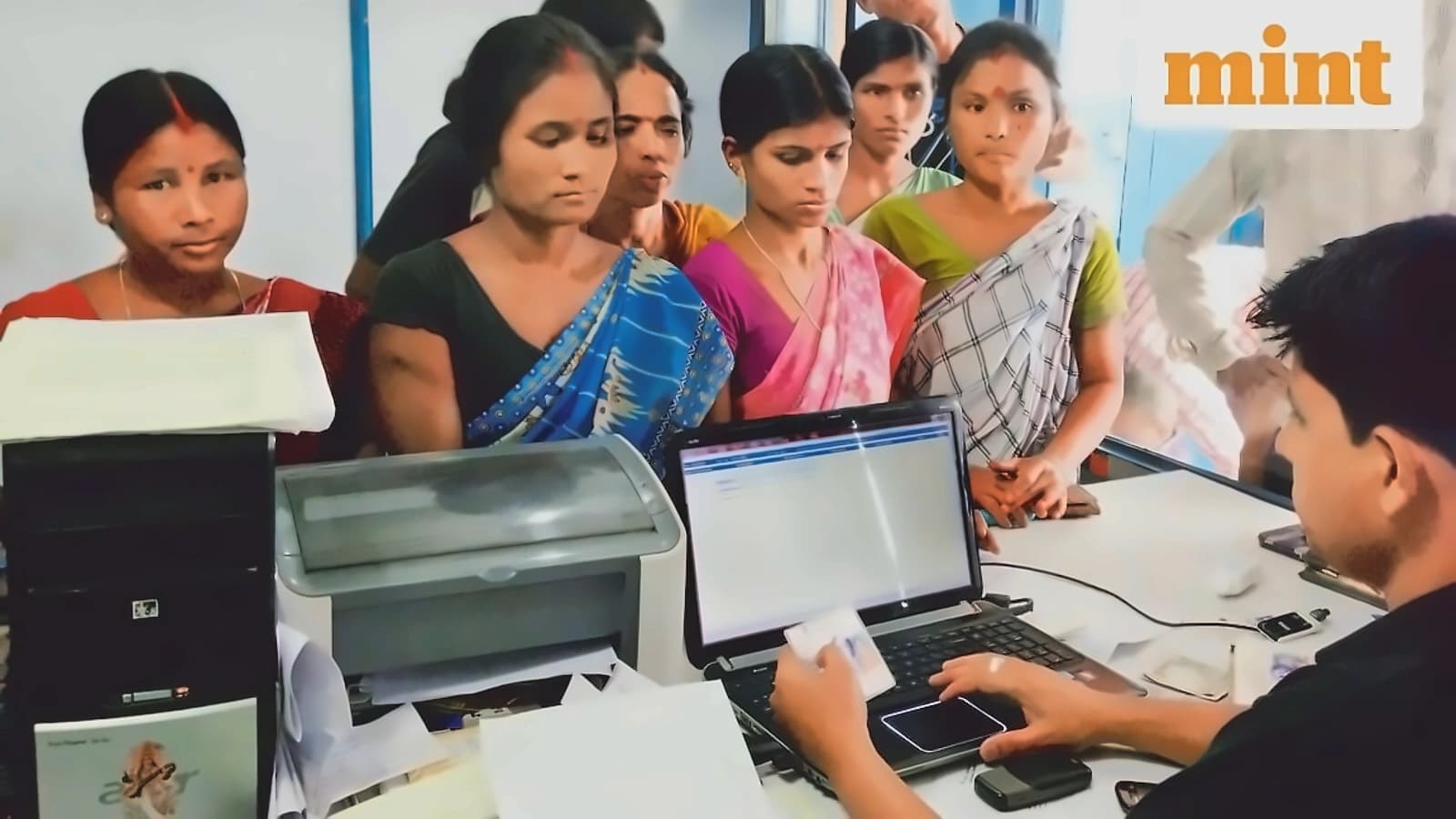
For individual bank account holders with inactive accounts, the reactivation process involves completing required KYC and document submission at the bank branch. As reported by Mint, account holders can update their data and KYC details at any bank branch or through the video KYC facility, following the bank's rules and regulations. Atish Jain, CEO of Choice Wealth, emphasizes that dormant accounts become easy targets for money mule networks and fraud when left unmonitored, highlighting the importance of regular account monitoring.
According to the RBI regulations, funds in inactive accounts cannot be withdrawn immediately as they require completion of the bank's reactivation process. As reported by Mint, account holders must contact their respective banking institution and update their KYC details to resume normal account use. The RBI mandates reactivation via fresh KYC documentation including Aadhaar, PAN, and address proof, typically requiring in-branch completion since online channels remain restricted for inactive accounts.
Individuals should identify and monitor any old savings, salary, or other bank accounts they no longer use, particularly those who have changed jobs or operate multiple accounts. According to Mint, consistent monitoring helps keep KYC details, phone numbers, and contact email IDs up to date while identifying unusual activity. Account holders should never share confidential information including OTPs, ATM PINs, internet banking passwords, or debit/credit card PINs with third parties during the reactivation process.