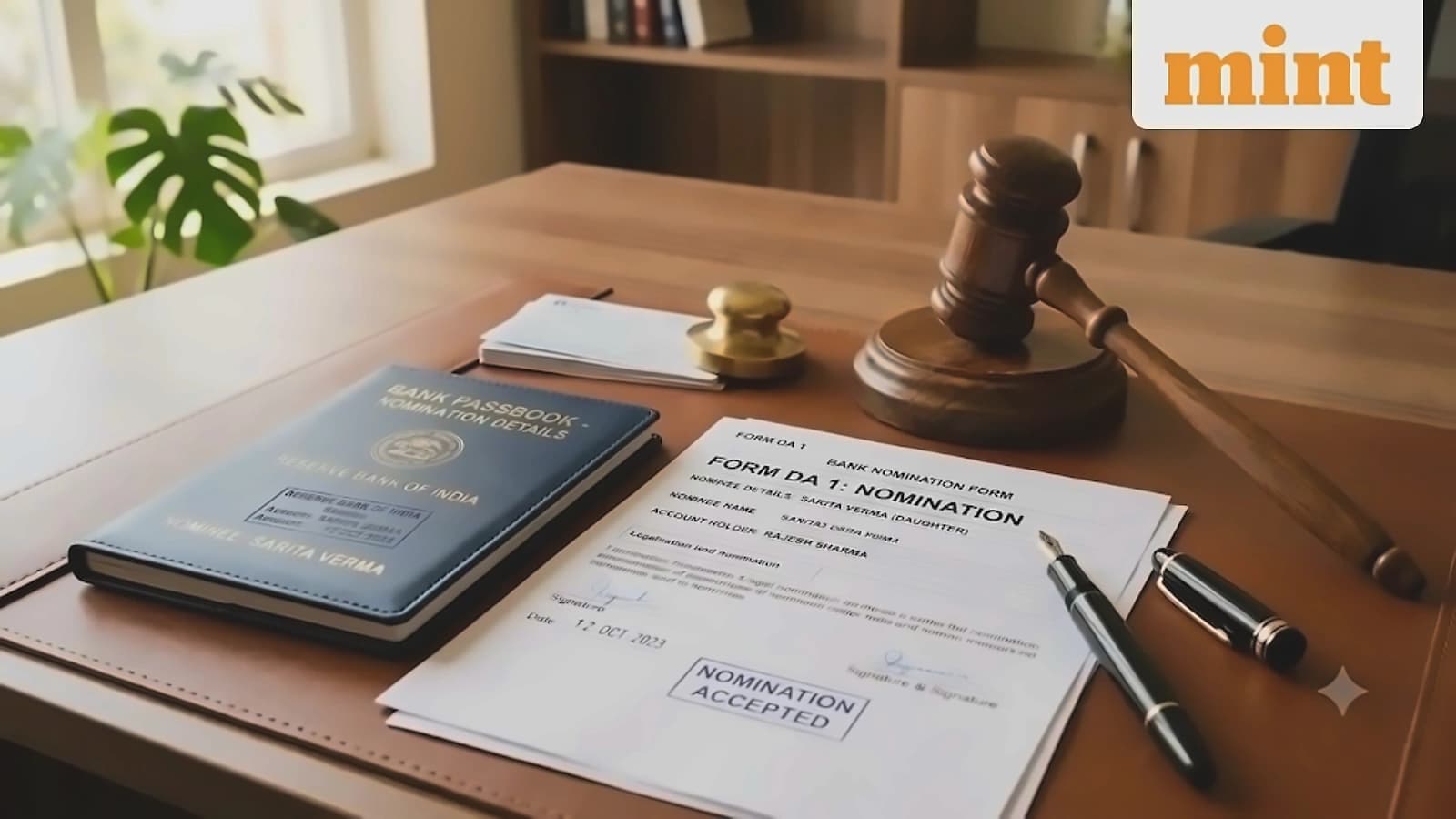
According to reports from Mint and Times Now, a banking account becomes 'inoperative' after two years without customer-initiated transactions, and if the account remains inactive for 10 years, the balance is transferred to the Reserve Bank of India's (RBI) Depositor Education and Awareness Fund (DEAF). The funds do not disappear or become government property - account holders or legal heirs can still claim them at any time by following specific verification steps. Fixed deposits that remain unclaimed for 10 years after maturity are also shifted to this fund, with the objective of protecting rights and interests of primary account holders while preventing financial fraud. As per latest reports, accounts change status after two years of zero use, with banks placing restrictions on dormant accounts mainly to prevent misuse, fraud, identity theft, and unauthorised transactions. Even though withdrawals and transfers are blocked, ownership of the money remains with the depositor or nominee.
As reported by Mint and Times Now, the recovery process involves five key steps for reclaiming funds from dormant accounts. The first step involves searching on the UDGAM portal - the RBI-backed platform where users can track and trace unclaimed deposits across participating banks. Users need to register, log in, provide details, choose the relevant bank, and enter identifiers to locate the account. The second step requires visiting the bank branch where the account was originally opened with original identification documents and completing reactivation forms. Third, submitting updated KYC documents including Aadhaar, PAN card, and address proof is essential for verification. Fourth, providing legal proof such as death certificates, succession certificates, or probate documents may be necessary for nominees or legal heirs, with banks generally conducting more detailed verification checks in such cases. The final step involves reactivating the account or transferring funds to an active account along with applicable interest, following RBI guidelines and bank terms. According to latest reports, users must visit the central tracking site online to locate old funds, then visit the original branch to claim the cash, providing recovery forms, current address details, and valid identity proofs for deep background safety checks.
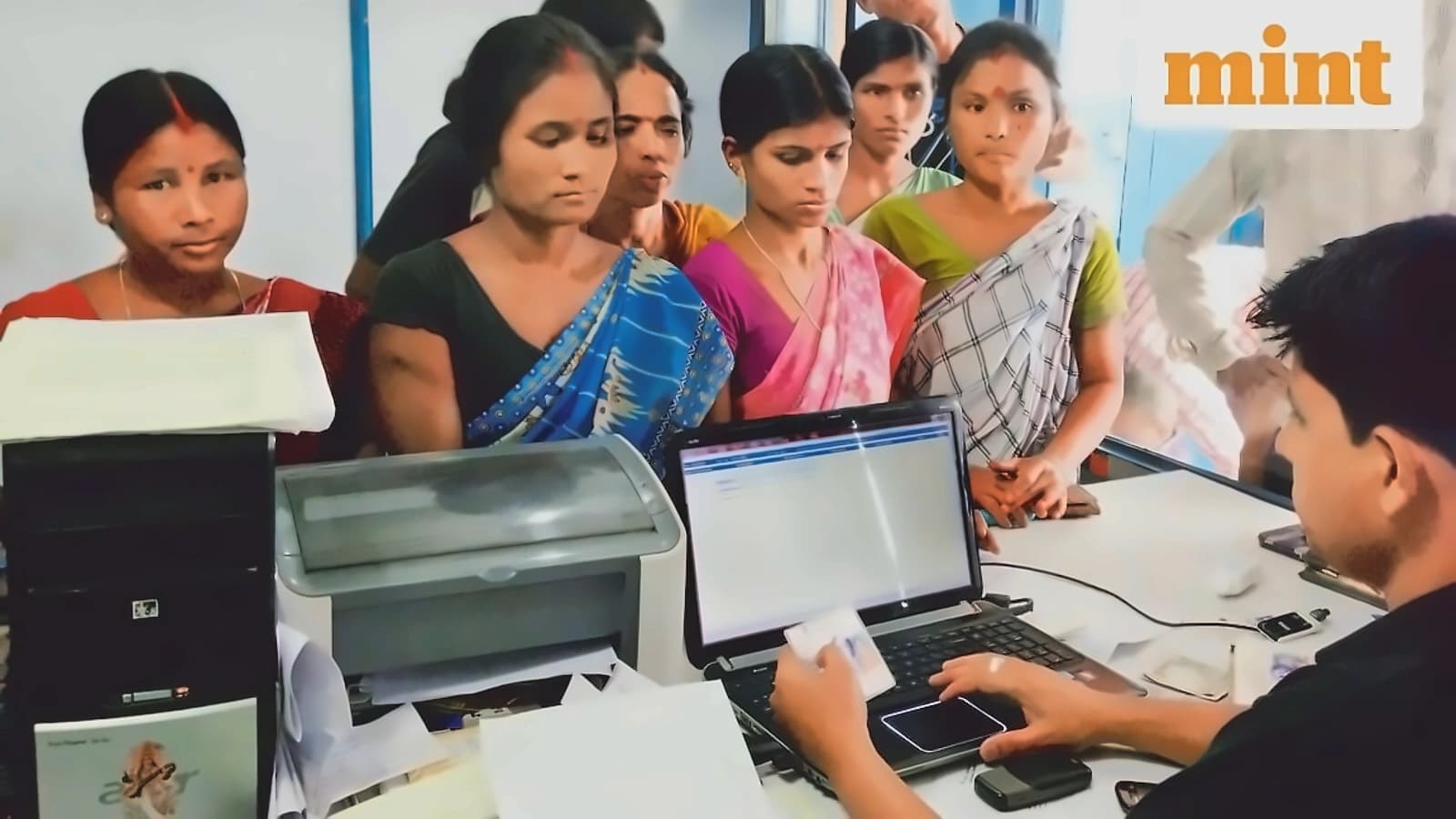
According to Mint and Times Now, several frequently asked questions address key concerns about dormant accounts. Banks cannot permanently keep unclaimed deposits - the money remains claimable indefinitely by depositors or legal heirs. Dormant accounts do not affect credit scores, and internet banking usually remains disabled for security reasons. Interest continues to be paid after funds move to the RBI's DEAF fund, depending on account type and terms. Online reactivation is possible but KYC verification is usually required, making in-person visits essential in most cases. Joint account holders may need both signatures for reactivation, depending on account operating instructions. Joint accounts, minors' accounts, and accounts without passbooks can also be reactivated, subject to bank procedures and verification requirements. As per latest reports, quiet accounts still earn regular interest over the years, with the central pool adding basic gains to the total, though some local desks might charge small upkeep fees that reflect in the final payout.
As reported by Mint and Times Now, the easiest way to prevent accounts from becoming dormant is to make at least one customer-initiated transaction periodically. Accounts should not be left completely unused or without transactions for months at a time. Minors' accounts can also become unclaimed deposits if there are no customer-initiated transactions for the prescribed period. Banks may levy inactivity-related service charges depending on their policies and associated terms and conditions. All banks require complete clarification of primary account holder details and adherence to a set process for reclaiming funds without original passbooks. According to latest reports, keeping your active files moving prevents small issues entirely, and one small deal a year keeps your bank line open to avoid inactivity-related complications.