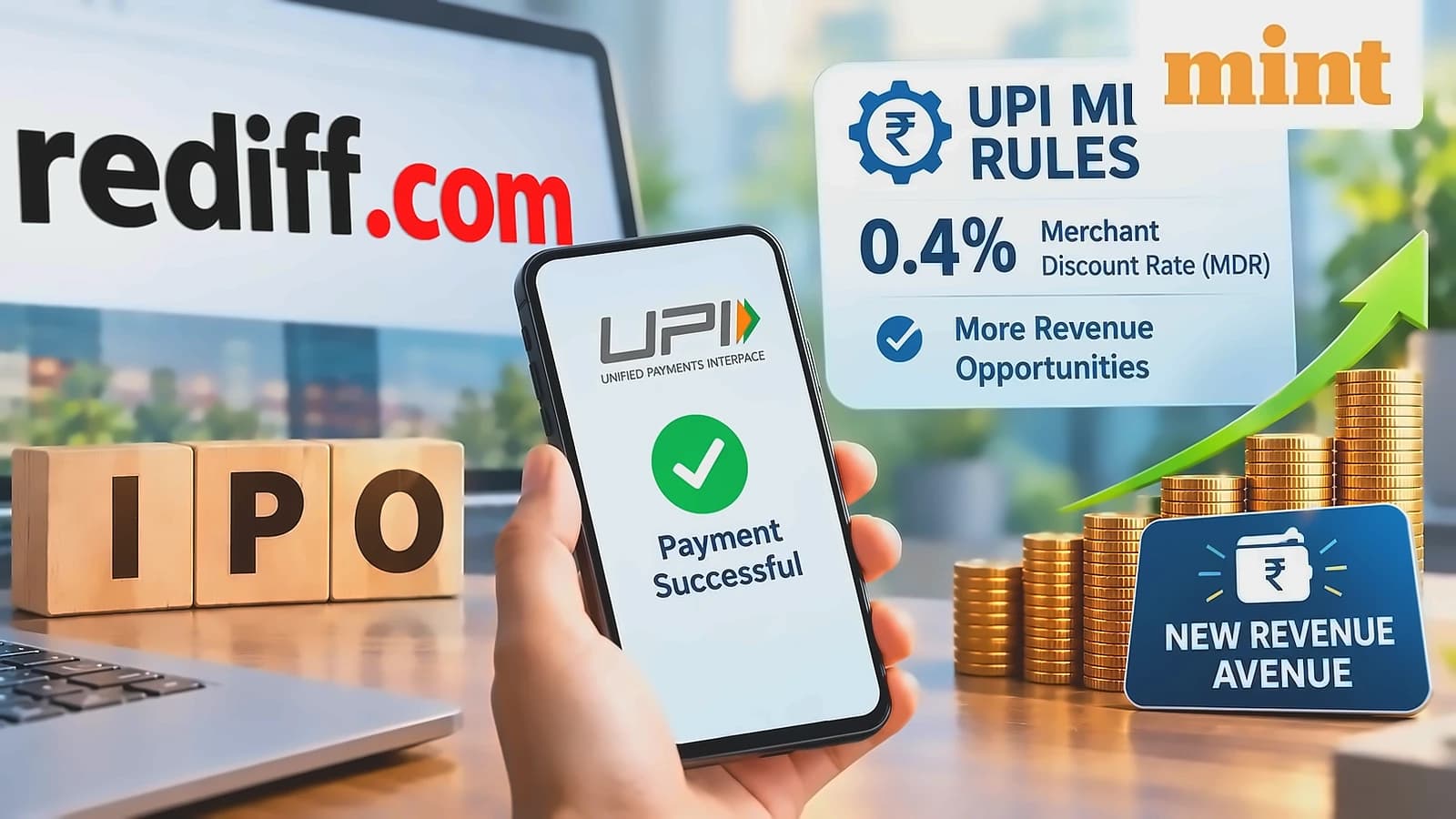
The Merchant Discount Rate (MDR) for capital market transactions is set at 0.02% of the transaction value, subject to a maximum of ₹300, effective from 15 October 2026. According to reports from Mint, on a ₹1 lakh investment, the MDR works out to be ₹20, but this amount cannot be passed on to the investor. The new framework applies to all capital market transactions, including those made through UPI on the RBI Retail Direct platform. Under the comprehensive MDR framework, UPI transactions up to ₹2,000 remain free for individual consumers, ensuring that over 95% of digital transactions face zero charges. As per the National Payments Corporation of India (NPCI) guidelines, Person-to-Person (P2P) transfers, self-account transfers, and merchant payments up to ₹2,000 are all exempt from transaction fees, providing significant cost relief for routine digital transactions.
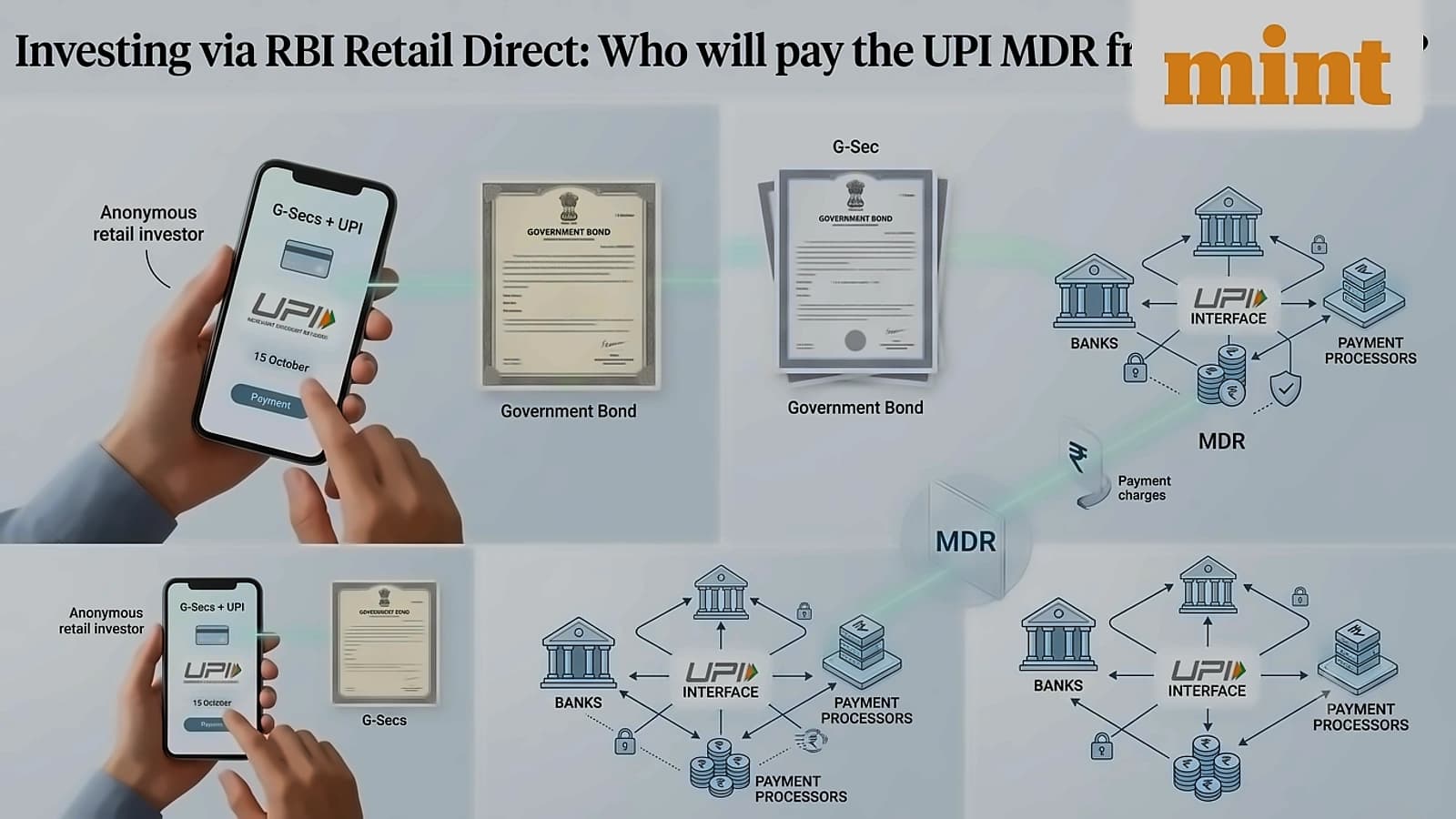
The RBI Retail Direct scheme allows retail investors to invest in government securities directly without a broker, offering fee-free brokerage services. As reported by Mint, investors can open a Retail Direct Gilt (RDG) account with the RBI and access both primary issuances and the secondary market through NDS-OM. The platform enables investments in Treasury Bills (T-bills), central government dated securities (G-Secs), State Development Loans (SDLs), Sovereign Gold Bonds (SGBs) and Floating Rate Savings Bonds using UPI payments. The scheme provides unlimited usage of UPI services without incurring fees, with no monthly quotas or caps on free transactions, making it accessible to all retail investors.
Shams Tabrej, CEO and Founder of Ezeepay (MJ Digital Services), noted that while no fee is charged for opening and maintaining an RDG account, the absence of account fees doesn't mean there's no cost involved in processing underlying payments. According to Mint reports, he emphasized that the specific allocation of any such cost or MDR would depend on the applicable arrangements between the RBI and participating payment-system entities. Ayush Jindal, Co-founder and CEO of ScoreMe Solutions, confirmed that the RBI states applicable payment gateway charges will be borne by the investor. The new framework ensures that merchants are prohibited from passing any high-value ecosystem fees onto buyers, maintaining transparency in digital transactions and preventing consumers from being burdened with additional costs.
The UPI ecosystem facilitates the transaction and settlement while RBI Retail Direct serves as the investment interface for government securities. As reported by Mint, Aakash Bansal, Co-founder and CEO of MIDASX, explained that the investor initiates payments through UPI using their bank account, while banks and payment-system participants enable the underlying payment. Adhil Shetty, CEO of BankBazaar, clarified that in primary auctions, UPI offers fund-blocking and transfer facilities, including mandate-based payment mechanisms for Retail Direct. The framework includes automated recurring payments such as AutoPay and standing mandates for OTT subscriptions, insurance, or investments are also free of charge, providing convenience without additional costs. Small shopkeepers and street vendors earning up to ₹1 lakh per month via QR codes are not subject to MDR, allowing them to receive high-value payments without deductions.
The precise treatment of MDR depends on payment and settlement arrangements applicable to each transaction, according to Mint reports. Tabrej emphasized that without relevant contractual documentation, it would be premature to conclusively identify which participant bears the MDR. In NDS-OM transactions involving secondary market securities, the applicable MDR will be determined based on transaction classification under the new UPI framework. The comprehensive MDR framework ensures that low-value fuel and utility bill payments under ₹2,000 also face a 0% rate, while payment applications are strictly prohibited from adding extra fees, maintaining transparency in digital transactions across all categories of transactions.