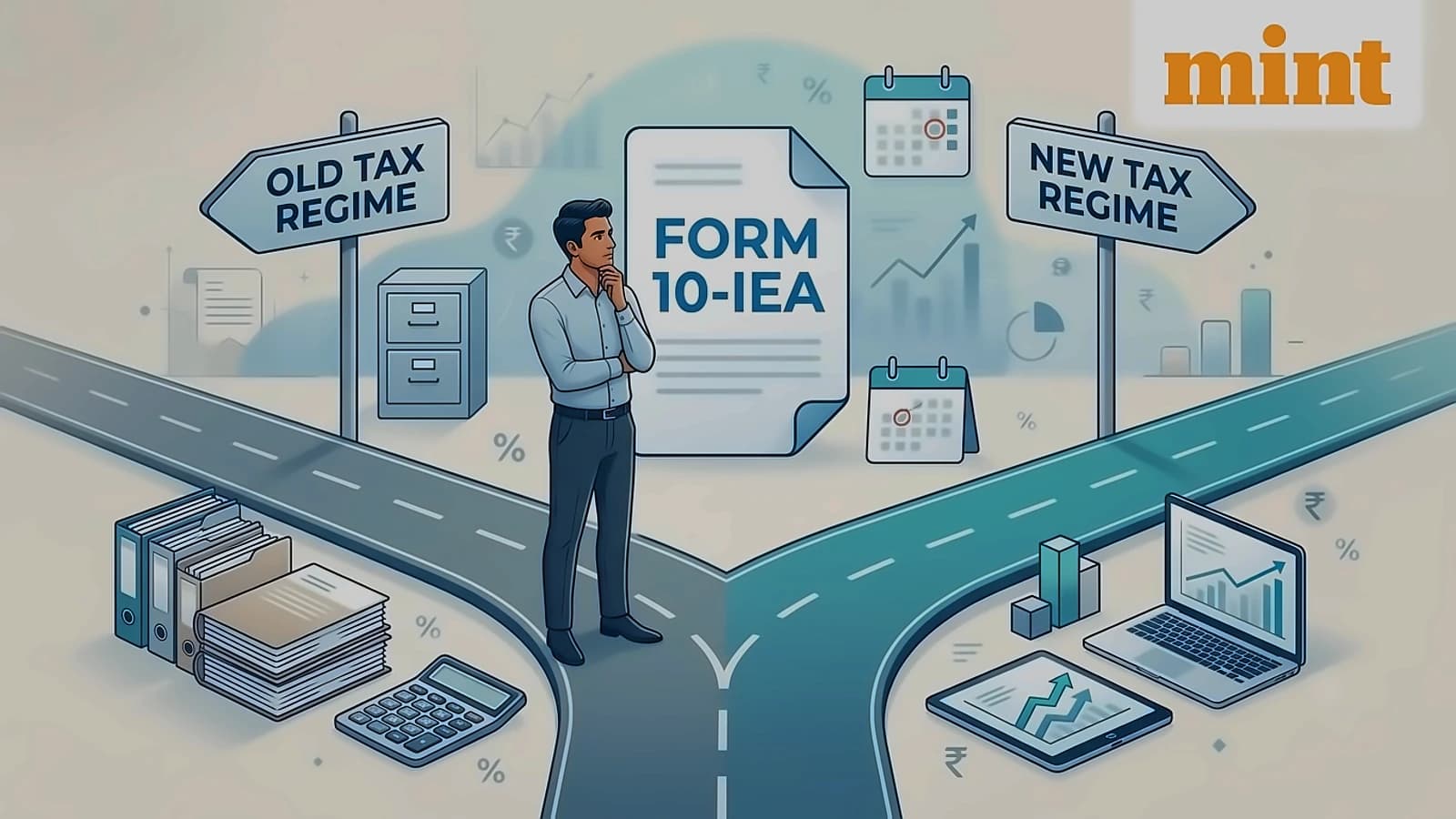
Presumptive taxpayers can switch between the old and new tax regimes, but unlike salaried individuals, they do not have the flexibility to change their choice every year. According to reports from Mint, taxpayers with business or professional income who file returns using ITR 3, ITR 4, and ITR 5 can opt out of the default new tax regime and vice versa by filing Form 10-IEA. However, this option can be exercised only once, meaning if someone moves back to the old tax regime, they won't be able to opt for the new tax regime again while continuing to have business or professional income.
The presumptive taxation scheme offers several advantages for eligible taxpayers, particularly those with business income. As reported by Mint, taxpayers can declare income as a fixed percentage of their turnover without requiring detailed books of accounts, governed under Sections 44AD and 44ADA of the Income-Tax Act. The scheme ensures smoother filing of income tax returns while offering major tax-saving opportunities, with eligible taxpayers reporting income under the 'Profits and Gains from Business or Profession' head during ITR filing using the ITR-4 (Sugam) online form. However, once taxpayers choose to use presumptive taxation, it must continue for five consecutive years.
Presumptive taxpayers must pay advance tax in full in a single instalment on or before March 15 of the relevant financial year, according to Mint reports. For taxpayers who have opted for the presumptive scheme, advance tax must be paid by March 15 if they expect that their income tax liability will exceed ₹10,000 in the financial year. This requirement differs from the quarterly payment system typically followed by other taxpayers.
The decision to opt out of the new tax regime carries significant long-term implications for presumptive taxpayers. As reported by Mint, if an individual makes an early exit from the scheme, re-entry is not allowed for the next five years. This makes the choice particularly important for those with business or professional income, as they cannot easily switch back to the new regime once they have opted out. The scheme also eliminates the need for accounting records and audits, though taxpayers still need to pay advance tax.