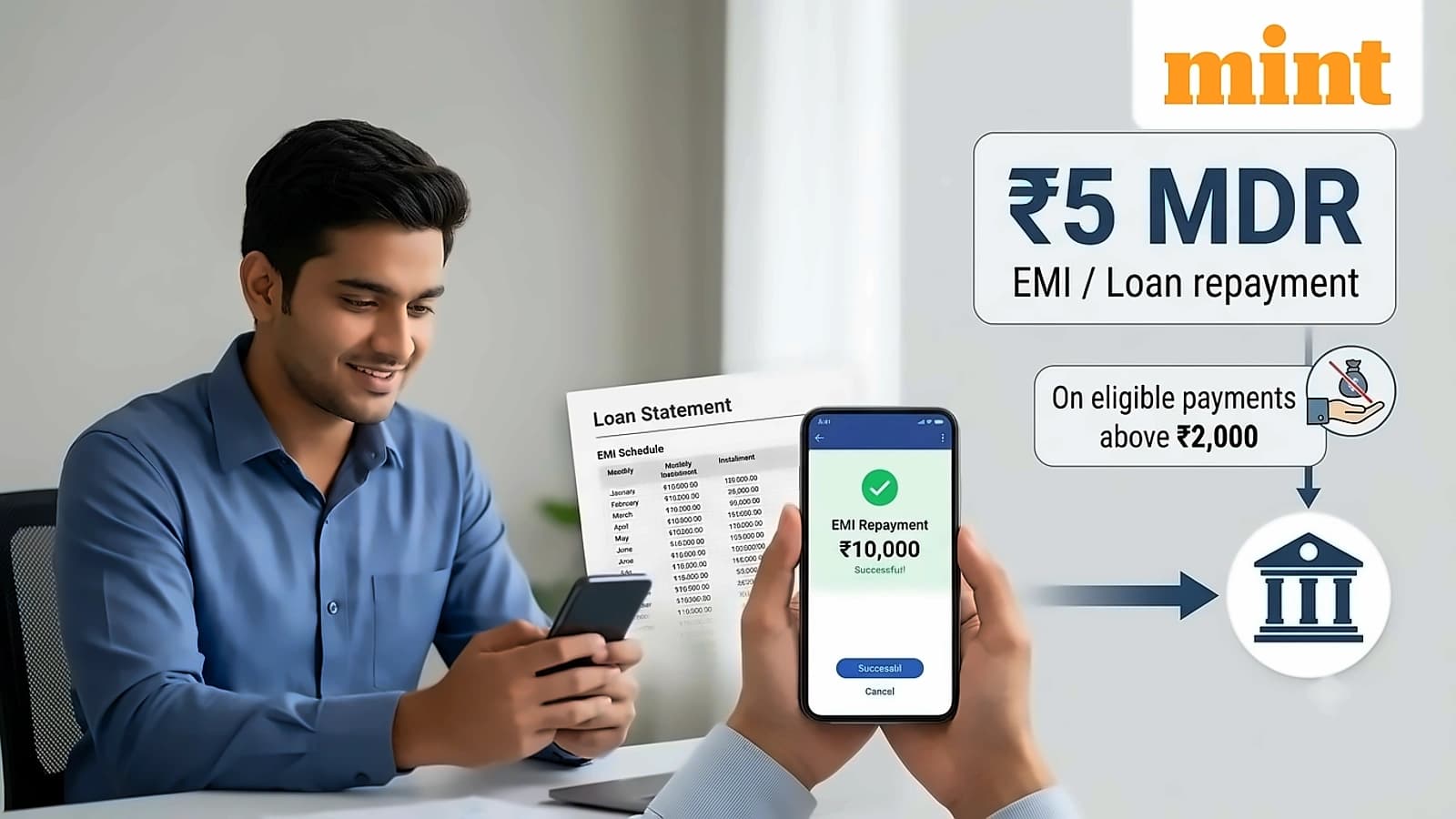
The National Payments Corporation of India (NPCI) has defended the proposed Merchant Discount Rate (MDR) framework in the Supreme Court, arguing that zero MDR is no longer sustainable due to the phenomenal growth of India's digital payment ecosystem. According to Business Standard, NPCI filed a counter-affidavit on November 3 in response to a petition challenging the Centre's decision to permit merchant charges on select transactions above ₹2,000. The petition, filed by advocate Anjan Datta, challenges the constitutional validity of the amended Section 10A of the Payment and Settlement Systems (PSS) Act, 2007, along with the Centre's September 14 notification and the MDR framework announced on September 15. The petition argues that the amended provision gives the executive excessive discretion to decide which electronic payment modes should receive protection from charges, without adequate legislative safeguards.
A new study by the Indian School of Business (ISB) reveals significant concerns about the proposed Merchant Discount Rate (MDR) framework for UPI payments. According to the ISB survey conducted between September 24 and October 10, 10.4% of vendors face additional charges from suppliers for UPI payments, even though no MDR has yet been levied. The proposed framework announced in September 2026 would impose a 0.4% charge on transactions above ₹2,000, while exempting small merchants receiving up to ₹1 lakh per month through QR-based payments. The study, covering 722 vendors across 64 cities and towns in 14 states and Union Territories, found that 7 in 10 vendors pay suppliers more than ₹2,000 at a time for stock, which falls within the MDR framework coverage range. As per Business Standard, vendors are already experiencing additional charges when paying through UPI, with suppliers clearly indicating that UPI payments will have additional charges while cash payments remain unaffected.
The legal dispute raises fundamental questions about NPCI's authority to impose charges on businesses using its digital payment infrastructure. According to Business Standard, Section 10A of the Payment and Settlement Systems (PSS) Act, 2007 originally prohibited banks and payment system providers from imposing charges on specified electronic payment modes. However, the Taxation and Other Laws (Amendment) Act, 2026 subsequently amended Section 10A, allowing the Centre to determine which electronic payment modes would continue to enjoy zero-charge protection. Alay Razvi, Managing Partner at Accord Juris, noted that Section 10A, as amended, does not itself impose or fix MDR, creating legal vulnerability in delegation and specificity. The petition also questions whether compulsory merchant charges can be introduced through administrative directions without proper legislative authorization, with the Centre and NPCI maintaining that MDR is a commercial charge rather than a tax.
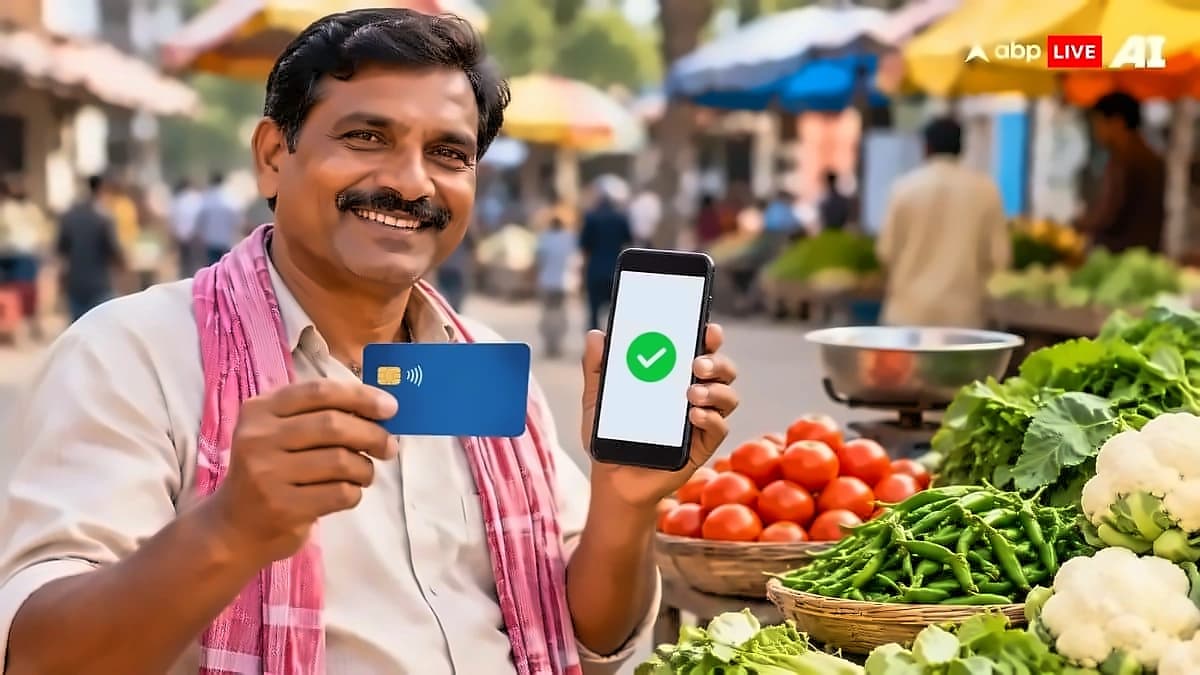
The PM SVANidhi Credit Card offers street vendors an UPI-linked RuPay credit card with a credit limit up to Rs 30,000, initially starting at Rs 10,000. According to reports from The Economic Times, the card is designed to provide eligible vendors with access to credit for digital transactions, with the limit increasing in stages based on card usage and timely repayments. The card can be linked to a beneficiary's UPI ID, enabling vendors to make digital payments through UPI using the available credit. The facility comes with a five-year validity period and offers an interest-free credit period of 20 to 50 days, depending on the issuing bank's policy. However, the ISB study suggests that vendors may consider passing on additional costs to customers, with one in five vendors potentially passing on MDR costs to customers, as reported by Business Standard.
The card comes with a five-year validity period and offers an interest-free credit period of 20 to 50 days, depending on the issuing bank's policy. As reported by The Economic Times, there are no joining, enrolment, activation or annual renewal charges, making it a lifetime-free credit card. However, beneficiaries may be charged interest and other fees if dues are not repaid within the stipulated time, and late payment penalties will not apply to outstanding balances of up to Rs 500. The initial Rs 10,000 credit limit can be enhanced gradually, subject to proper usage and timely repayment. The ISB study found that awareness does not necessarily translate into understanding, with 48% of Tier 1 vendors believing the MDR charge would apply to them, despite the framework's exemptions.
The PM SVANidhi scheme provides collateral-free loans in three stages to street vendors who faced difficulties during the COVID-19 pandemic. According to reports from The Economic Times, the loan facility is structured as follows: first loan up to Rs 15,000, second loan up to Rs 25,000, and third loan up to Rs 50,000. Eligible beneficiaries can also receive the PM SVANidhi Credit Card, which offers a separate credit limit of up to Rs 30,000.
The ISB study calls for caution in implementing the proposed framework, as transaction-size-based exemptions may not account for wholesale procurement costs. According to the study, vendors could face additional pressure on their already limited margins, making cash a more attractive payment option. The National Payments Corporation of India (NPCI) has postponed the MDR framework rollout from October 15 until after Diwali, with a new implementation date yet to be notified. The study recommends introducing any proposed charges through limited pilot studies and tracking supplier demands before wider rollout. NPCI clarified that merchants cannot pass on costs associated with MDR to customers, with violations attracting compliance action including termination of UPI membership. CAF Director Prasanna Tantri noted that any shift away from digital transactions could have wider implications for financial inclusion and access to formal credit for small businesses.