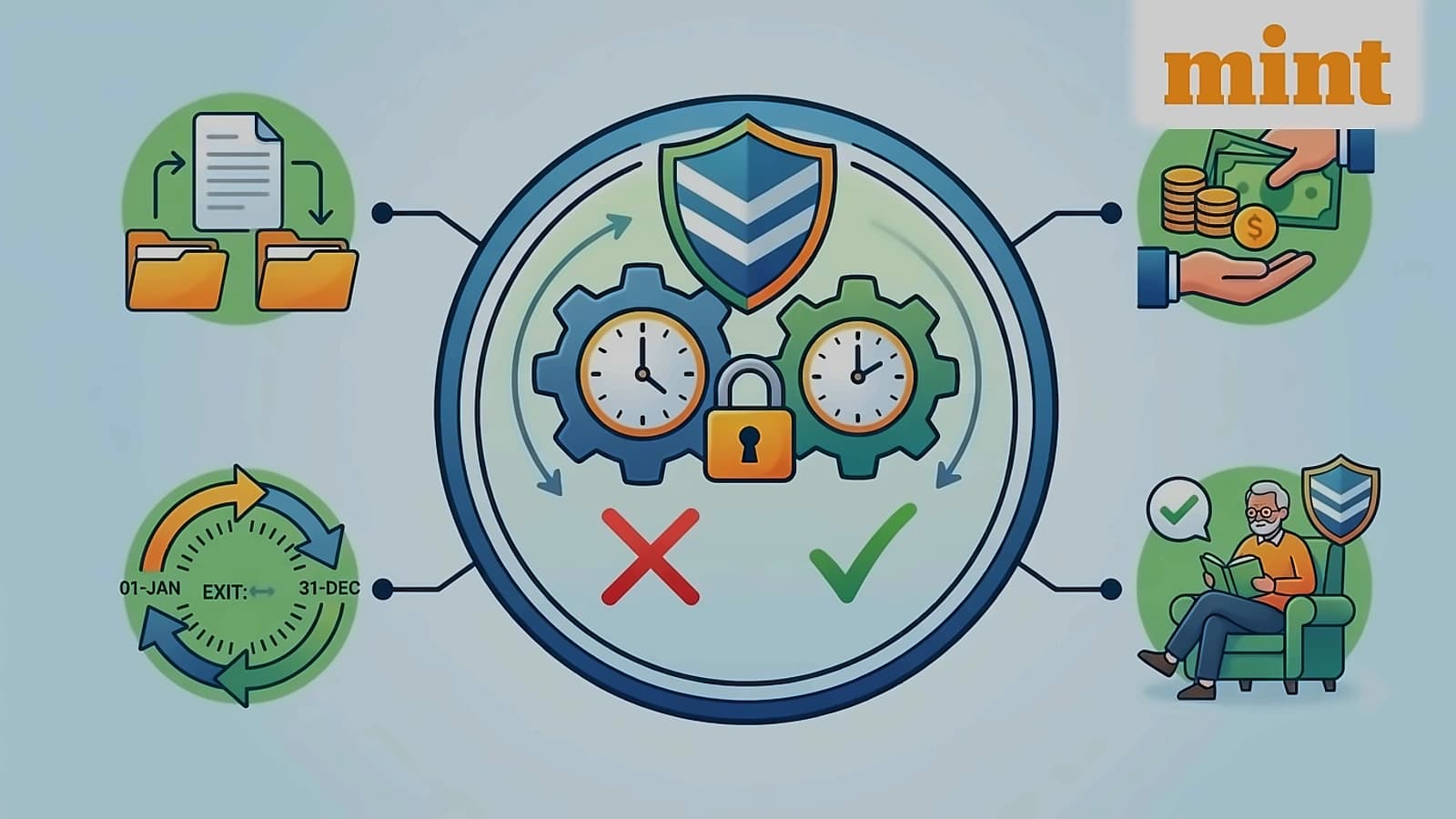
Transferring your Employees' Provident Fund balance after changing jobs is not merely an administrative task - it has significant tax implications that employees often overlook. According to reports from Business Standard, PF withdrawals become tax-free after five years of continuous service, but transferring your balance links your service periods together. If you leave multiple accounts scattered behind, your continuous service calculation resets, which can trigger taxes upon future withdrawals. The process has become largely paperless and can usually be completed online in a few minutes through EPFO's unified member portal. As reported by Mint, failing to transfer your PF when changing jobs could affect your eligibility for certain benefits in the future, making it essential for maintaining tax benefits and service continuity.
The online PF transfer process has been streamlined through EPFO's digitized systems. As reported by Business Standard, employees can complete the transfer through the EPFO member portal by logging in with their UAN, password, and captcha code. The system displays previous and current employment records for verification, then requires authentication using an OTP sent to the mobile number linked with Aadhaar. Most transfers are processed within a few weeks, though timelines may vary depending on employer verification and record accuracy. Employees can track application status online through the 'Track Claim Status' option. According to Mint, the process involves visiting EPFO's official website, selecting 'one member and one EPF account' under online services, filling required information including registered phone number and UAN, generating OTP for verification, entering details about earlier EPF accounts, and marking the declaration box before submission.
Before initiating a PF transfer, employees must ensure several details are updated and verified on the EPFO portal. According to Business Standard, these include an active Universal Account Number (UAN), Aadhaar linked and verified with the UAN, correct personal details such as name, date of birth and mobile number, and accurate previous and current employer details. Any mismatch in personal information can delay the transfer process. Employees facing issues should approach their employer's HR department or raise a grievance through EPFO's online grievance management system. As reported by Mint, the current employer would then need to approve the merger request submitted on the portal, after which EPFO will process the request and merge the previous EPF accounts with the recent one.
Despite the online process, PF transfers can encounter several issues that cause delays. As reported by Business Standard, common reasons include mismatch in name or date of birth across records, Aadhaar not linked with UAN, incorrect member IDs, pending employer verification, incomplete KYC details, and multiple UANs generated inadvertently. If there are discrepancies in employment records, name details or KYC information, the process may take longer. Employees should ensure their Aadhaar, KYC details and employment records are correctly updated to avoid delays. According to Mint, leaving money in old inactive accounts can also lead to taxable interest on unclaimed balances over time, while not consolidating accounts can make tracking contributions and total savings more difficult.