Traditional lending assumed borrowers would estimate their entire financial need upfront and repay over time, whether for home renovations, education, or medical expenses. According to The Economic Times, this approach no longer reflects modern financial reality, where needs are often incremental rather than singular. Today's professionals may pay course fees in stages, entrepreneurs require working capital at different business cycle points, and families incur home renovation expenses over several months rather than all at once. The larger challenge is uncertainty - borrowers may not know exactly how much they will need, when expenses will arise or how quickly circumstances may change. This shift is becoming increasingly visible in India's lending landscape, where the need is not for a fixed lump sum, but for the flexibility to access funds as and when they are required.

The Reserve Bank of India's Trend & Progress of Banking in India 24-25 report confirms retail credit remains resilient, with personal loans forming an important component of household borrowing. As reported by The Economic Times, lenders are placing greater emphasis on product innovation and customer-centric credit delivery, reflecting a broader evolution where convenience and flexibility are becoming as important as access itself in India's lending landscape. This evolution aligns with the Reserve Bank of India's Digital Lending Directions, which emphasise transparency, informed consent and greater customer control across digital lending journeys. As lending becomes increasingly digital, borrowers are also expecting products that offer greater visibility and flexibility in how credit is accessed and managed.
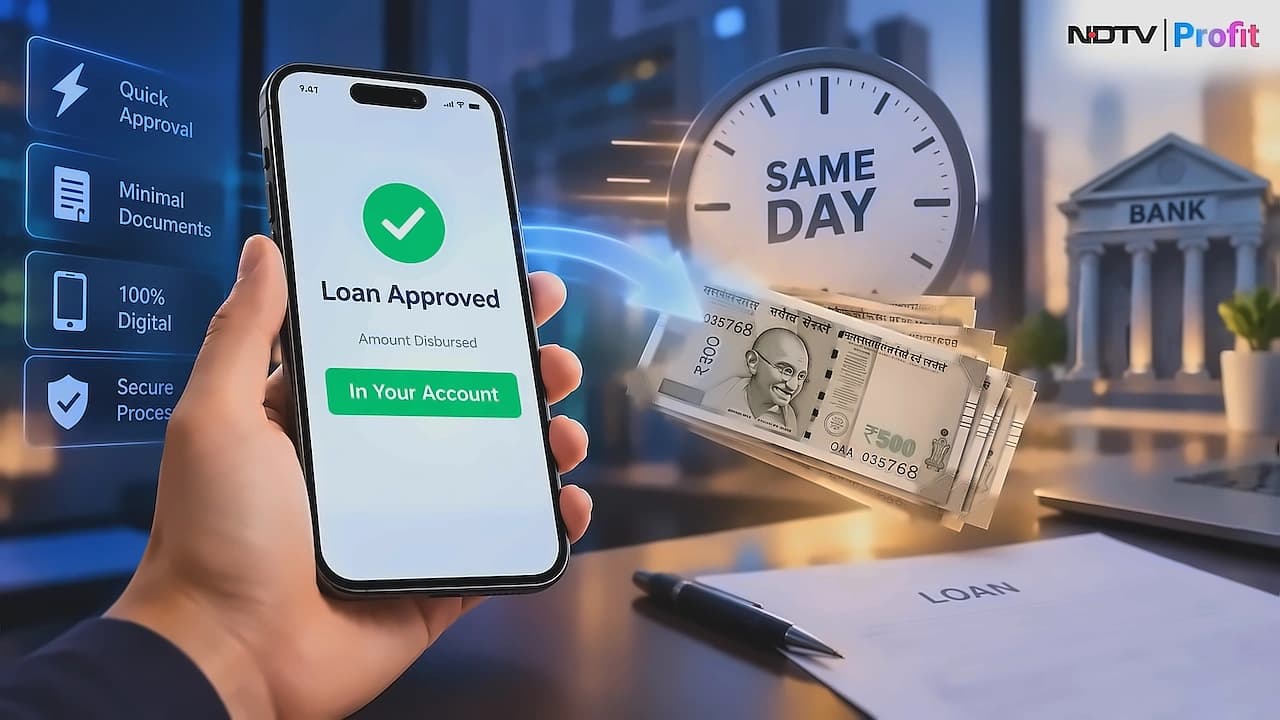
Modern personal loan products now offer instant disbursal in as little as 10 minutes with flexible withdrawal options. According to The Economic Times, products like FIRSTmoney Smart Personal Loan by IDFC FIRST Bank provide loans from ₹50,000 to ₹15 lakh with customers able to withdraw funds as needed starting at ₹10,000 from their approved offer. These loans allow borrowers to pay interest only on utilized funds, foreclose easily through mobile apps without charges, and access funds again without reapplying from scratch. The model reflects a broader industry shift towards borrowing that adapts to changing financial needs rather than assuming they remain fixed. The emphasis is gradually moving from how much can I borrow? to how much do I actually need today?
Borrowers are increasingly evaluating personal loans on control parameters beyond traditional factors like interest rates and processing fees. As reported by The Economic Times, consumers now focus on whether repayments can be managed digitally, if loans can be foreclosed without unnecessary costs, and whether credit is available when needed without starting the application process again. This shift reflects a broader change where the most suitable personal loan is increasingly defined by how effectively it fits into a borrower's financial life rather than solely by pricing. Products that allow consumers to withdraw only the amount they need encourage more disciplined credit behaviour by reducing the cost of unused borrowing while maintaining regulated operations within RBI frameworks.
The next phase of India's financial system may focus on making credit more adaptable rather than just accessible. According to The Economic Times, consumers increasingly expect financial products to reflect modern life realities where opportunities emerge unexpectedly and expenses evolve over time. The future of lending may be defined by how intelligently borrowers are able to use only what they truly need, with products that encourage more disciplined credit behaviour by reducing the cost of unused borrowing while maintaining regulated operations within RBI frameworks. Credit delivers its greatest value when it supports productive financial decisions, whether funding education, managing temporary liquidity requirements or enabling business growth rather than financing unsustainable consumption. The emphasis is moving towards making borrowing less about committing to a fixed amount on a single day and more about accessing funds with greater precision and control.