India's digital lending market has experienced remarkable growth, expanding nearly 13-fold in five years from around ₹0.15 trillion in FY21 to ₹2.2 trillion in FY26, according to a recent report by consulting firm Redseer. The market is projected to grow at an annual rate of around 26% through FY31, reflecting the increasing demand for instant personal loans. Digital-first personal loans like FIRSTmoney by IDFC FIRST Bank can offer instant fund disbursal within 10 minutes, with the entire application process being 100% digital and eliminating the need for document uploads.
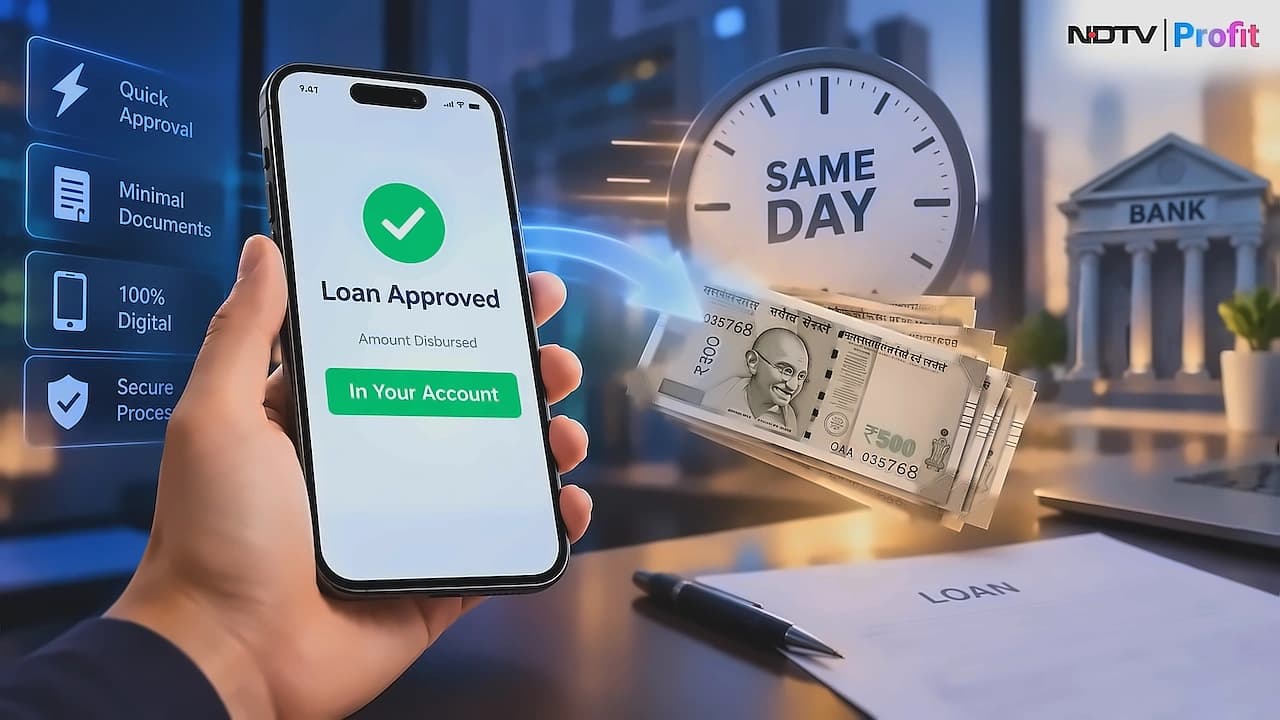
The term 'instant' cannot guarantee quick loan processing, as it refers to either instant sanction (quick approval after eligibility checks) or same-day disbursal (loan transfer to account on the same day). Key factors affecting disbursal speed include digital KYC processes (RBI permits digital and video-based KYC under its framework), credit assessment (income, credit history, existing debt), existing customer relationships (faster processing for existing customers), and banking processes (additional checks or discrepancies can delay disbursal). For example, IDFC FIRST Bank's FIRSTmoney Smart Personal Loan offers eligible customers loans of up to ₹15 lakh with disbursal in as little as 10 minutes.
Different lender types offer varying loan options with specific advantages and limitations. Established banks typically offer quicker loans to existing customers with pre-approved limits, while NBFCs often provide loans with fast processing and minimal paperwork but may charge higher interest rates starting at around 10% and going up to 20% or higher, according to Paisabazaar. Digital lending platforms can help borrowers discover loans through paperless processes, though they should verify actual lender details and terms before applying. As reported by the consulting firm Redseer, the digital lending market's expansion reflects growing consumer demand for instant loan solutions.
Personal loans come in various structures based on creditworthiness and collateral availability. Unsecured loans require no collateral and are typically available to borrowers with strong credit profiles, while secured loans require assets as collateral and may offer lower interest rates and higher loan amounts. Asset-secured loans use cars, homes, or other valuable assets as collateral, with lenders placing liens until full repayment. Borrowers with poor credit history may still qualify for secured loans if they have assets to pledge, though they face higher interest rates. The loan amount and terms depend significantly on the borrower's credit score, income verification, and the value of any pledged collateral. Using collateral can make borrowing cheaper but involves higher personal risk, as defaulting can lead to losing the pledged asset.
For borrowers seeking to build or repair their credit profile, specialized credit builder loans are available through financial institutions. Great Lakes Credit Union offers a $1,000 maximum loan for 12-month term with no application fee and 12.99% APR. Once approved, the credit union places $1,000 in the borrower's savings account which remains secured until loan repayment. The loan requires on-time monthly payments to help establish positive credit history, with the $1,000 deposit released in 5 business days upon loan closure. This option is particularly useful for individuals who cannot access traditional credit but need to establish or rebuild their credit score.