A significant reverse brain drain is emerging as Western visa rules tighten, forcing skilled Indian professionals to return home. According to Economic Times reports, Avani Patel, 25, completed a communications and media course in the UK in 2024 but found herself unable to secure employment due to rising visa sponsorship costs. At least two companies told her they could not afford to sponsor her visa, with one stating "you're great, but we can't have you. Because two years down the line, we're not going to be able to sponsor you." This trend is creating a 'reverse brain drain' as companies in India actively seek returning talent, with Bengaluru-based companies posting AI/ML roles with 'Reverse Brain Drain' as catchphrases and major firms like Reliance Industries, Mahindra Automotive and Axis Bank posting openings for returning professionals.
The UK has implemented significant visa rule changes that have dramatically impacted Indian professionals. As reported by Economic Times, the minimum salary threshold for skilled worker visas rose from nearly $35,409 in 2024 to about $52,303 by April and then to nearly $56,358 in July 2025. This represents a nearly 60% increase in salary requirements over just two years. The post-study stay period for international students is being shortened from two years to 18 months for applications made from January next year, further restricting opportunities for skilled workers. According to Economic Times, Indians were the largest nationality within the estimated 278,000 non-European Union nationals who left the UK long-term in the year ending 2025.
Returning professionals face significant challenges in finding comparable employment opportunities in India. As reported by Economic Times, Arundev S, 25, is actively looking for jobs in India that can pay him at least ₹9 lakh a year, stating "Whatever I earn in the UK is going towards my expenses, which are too high over the years." However, Divya, who eventually found a job in April this year, said several friends who returned around the same time are still unemployed. A survey of 1,276 verified professionals in India found that 53% had seen people return from the US because of visa-related issues, with 36% saying colleagues or job candidates had already returned and another 17% knowing people planning to come back. The shift is particularly evident in job market data, with India-based job views on UK-based career platform Student Circus rising nearly threefold to 22,312 till July 2026 from 8,052 in 2023.
Returning to India after decades abroad requires careful financial planning beyond the emotional transition. According to reports from Mint, housing costs may be lower than in some overseas cities, but private healthcare, domestic help, travel, and lifestyle choices can still require a sizeable monthly income. The article emphasizes the importance of building a realistic budget that factors in housing, groceries, utilities, insurance, healthcare, travel, and household help. Additionally, maintaining emergency reserves for major medical bills and family-related expenses instead of depending entirely on regular monthly budget is crucial for financial security.
Healthcare should be among the first financial issues to examine, particularly for those returning in their 60s or later. As reported by Mint, checking existing overseas health insurance policy coverage in India and determining whether additional Indian health insurance is necessary is essential. The Insurance Regulatory and Development Authority of India (IRDAI) permits portability of eligible health insurance policies between Indian insurers at renewal, with credits relating to pre-existing diseases and specific waiting periods generally being carried forward. When comparing policies in India, the article advises carefully examining waiting periods, co-payment requirements, exclusions, and the network of hospitals offering cashless treatment.
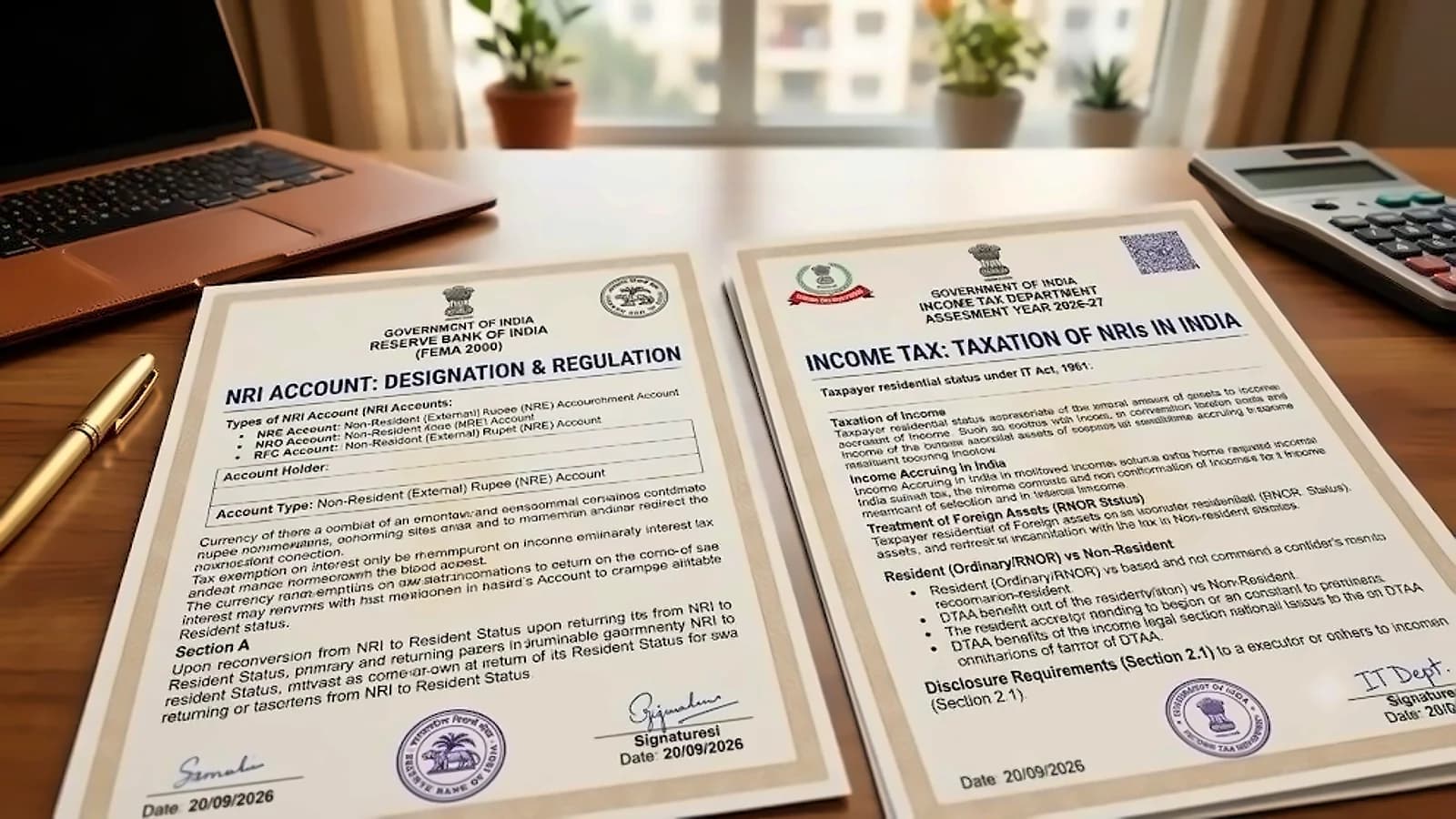
A permanent return to India may require bank accounts maintained as an NRI to be redesignated due to the change in residential status under FEMA. According to Mint, continuing to use NRE or NRO accounts indefinitely simply because they are convenient is not advisable. The article recommends speaking to banks about when residential status needs to be updated and which resident or permitted foreign-currency accounts (such as RFC accounts) would be suitable after return. Additionally, reviewing fixed deposits and other investments that were opened or structured based on NRI status is essential for compliance.