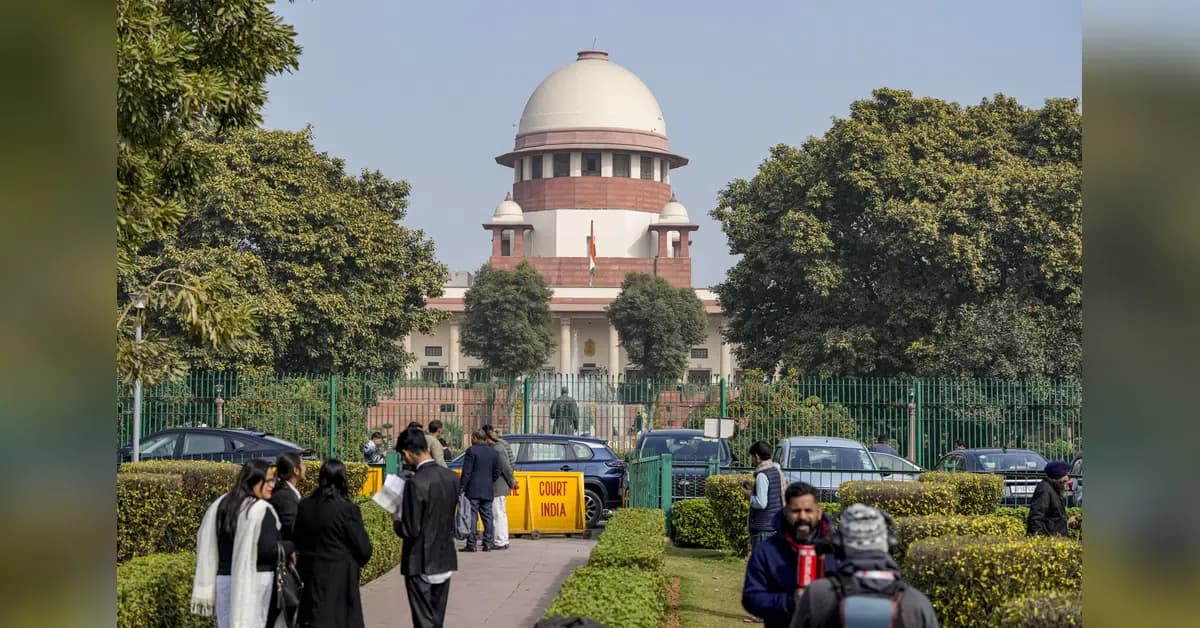
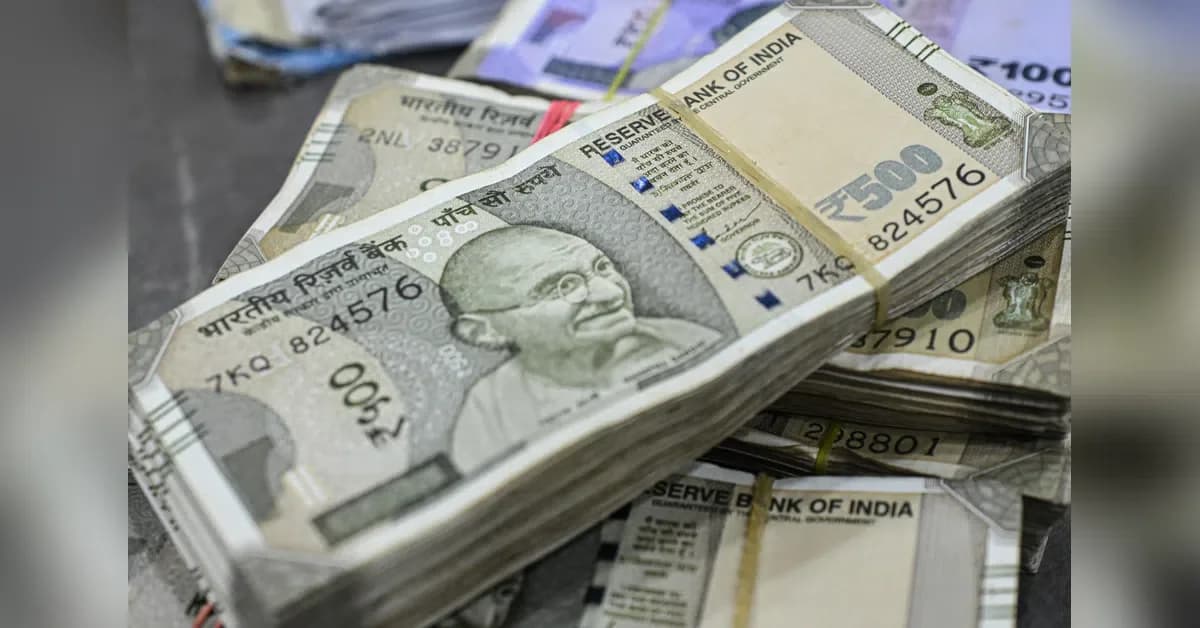
The Madhya Pradesh High Court has established a significant precedent in child maintenance law by ruling that a father cannot discriminate between educational expenses of his son and daughter. According to reports from Business Standard, the court increased maintenance awards for a government school teacher's wife and minor daughter, with the wife's monthly maintenance rising from ₹5,000 to ₹7,500 and the daughter's from ₹2,000 to ₹10,000. The ruling came after the husband argued he was already spending heavily on his adult son's technical education (BTech degree), but the court held that such voluntary expenditure could not justify restricting reasonable maintenance for the minor daughter.
In a separate but related development, the Madhya Pradesh High Court has enhanced maintenance for a woman who was married as a child, observing that she continued to face the consequences of a marriage arranged during her childhood. According to case records, the marriage between the parties was solemnized on April 27, 2015, and the wife moved an application for maintenance on August 7, 2021, alleging cruelty and neglect. The Family Court had awarded ₹2,000 per month from April 19, 2023, which the High Court found inadequate. Justice Singh observed that the woman was effectively a victim of child marriage and continued to suffer because of circumstances created by adults around her, stating "It is sad picture of the right of the girls. She cannot be denied reasonable amount of maintenance." The High Court enhanced the maintenance to ₹6,000 per month and directed payment from the application date rather than the Family Court's order date.
In a separate but related development, the Madhya Pradesh High Court has established important property rights precedent regarding building permission revocation. According to reports from Business Standard, the court observed that "The unilateral revocation of a validly granted permission, especially after the citizen has substantially altered their position and expended massive capital on construction, without any proof of fraud, is highly arbitrary, unreasonable, and violative of the right to hold property under Article 300-A of the Constitution of India." The court quashed the revocation order issued by Indore Municipal Corporation, holding that once a corporation grants valid building permission and parties undertake construction, the corporation cannot subsequently revoke permission without proof of fraud. The bench emphasized that when the corporation's own inspector physically verifies existing conditions and forwards the file for sanction, subsequent approval cannot be branded as a product of applicant deceit or misrepresentation.
Legal experts have emphasized the broader implications of these rulings for maintenance disputes and property rights across India. Aditya Chopra, managing partner at The Victoriam Legalis, stated that voluntary expenditure on technical education of a major son cannot justify restricting reasonable maintenance for a minor daughter. Anuj Goyal, senior associate at 3Sixty Law Group, noted that while parents may voluntarily spend more on one child, such decisions cannot override statutory obligations to maintain another child. The court has reaffirmed that educational needs of dependent children form an essential part of maintenance and cannot be treated as discretionary expenses. Justice Jai Kumar Pillai emphasized that unilateral revocation of validly granted permissions after substantial construction without proof of fraud violates constitutional rights, setting important precedent for property protection.