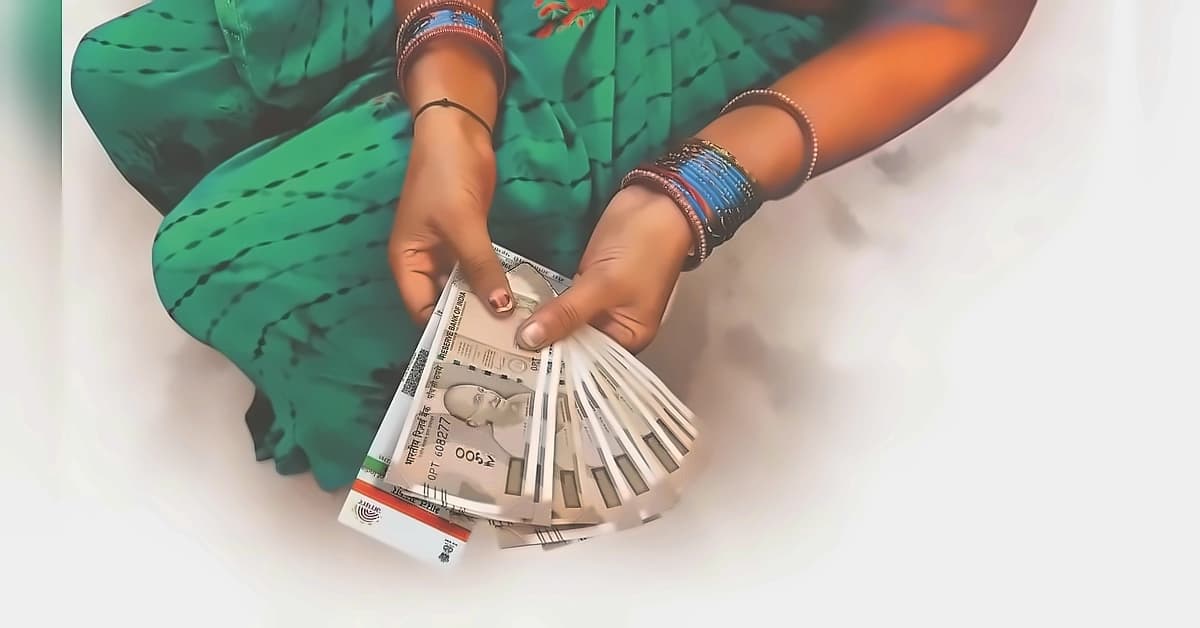

According to reports from Mint, money transferred to parents is generally treated as a gift under Indian income tax law and is not taxable under the hands of the receiver under Section 56(2)(x). However, the person sending the funds does not receive an automatic deduction for such transfers unless they fall under well-defined tax-saving provisions. This makes it clear that simply transferring money to your mother's bank account does not reduce your own tax liability.
As reported by Mint, taxation-related benefits can arise only when making direct payments for eligible activities such as your mother's health insurance premiums. These benefits can be claimed under Section 80D if filing taxes under the old tax regime, with payments made in non-cash methods. The home loan interest under Section 24(b) requires the home loan and property to be in your name, meaning only paying your mother's EMI will not make you eligible for a tax rebate.
According to Mint, the Section 80D deduction is limited to ₹25,000 if your mother is under 60, while it increases to ₹50,000 if your mother is a senior citizen. Additionally, money you gift to your mother that generates income is not clubbed with your income, meaning it is taxed in her hands only. The parents are exempt under Section 64, ensuring the income remains taxed in your mother's hands only.
Financial experts emphasize that securing mothers' future through smart planning is equally important as celebrating their strength on Mother's Day. Flexi-cap and large-cap funds are recommended for growth, while debt and hybrid funds suit retirement planning. Working mothers can afford higher equity exposure with around 60-70% allocation towards equities, while homemakers benefit from a more conservative approach with 50-60% equity exposure. Experts suggest maintaining ₹2,000 to ₹5,000 SIPs for children's education goals and creating separate investment buckets for different financial goals.
According to financial experts, emergency funds and insurance form the safety net under mutual funds as the wealth-building engine. Experts recommend maintaining 6-12 months of household expenses in liquid instruments such as liquid mutual funds or high-interest savings accounts. The entire family needs comprehensive health insurance coverage, with earning members taking term life insurance plans. Women should ensure high-value items like cars, jewellery, and electronics are insured for damage or theft, along with home insurance against fire, earthquake, and burglary.