Credit card debt has reached unprecedented levels, with total balances hitting $1.28 trillion at the start of 2026, representing a 5.5% increase from the previous year according to the Federal Reserve Bank of New York. An estimated 111 million Americans were unable to pay their credit card bills in full each month at the end of 2025, as reported by consumer advocacy groups. The average credit card debt per American reached $6,519 in March 2026, according to TransUnion. The crisis is compounded by high interest rates, with the average rate on accounts carrying a balance at 21.52% in February 2026, as reported by the Federal Reserve Board. Unpaid balances at these high rates can compound significantly, making it harder to build wealth and reach financial goals.
According to reports from Dalal Street Investment Journal, the fundamental decision between loan repayment and investment should focus on comparing loan interest rates with expected investment returns. When a personal loan charges 14% annual interest while investments generate 10-12% long-term returns, repaying the loan provides a guaranteed return equal to the interest saved. Credit card dues, consumer durable EMIs, and personal loans often carry very high interest rates that can quietly damage financial stability if continued for years. However, home loans charging 8% interest while potentially generating 12% returns through equity investments may be more manageable, allowing borrowers to continue long-term investing while repaying gradually.
As reported by Empower, there are two common approaches for tackling balances on multiple credit cards: the debt avalanche method and debt snowball method. The debt avalanche method focuses on minimizing interest costs by directing extra payments toward the balance with the highest interest rate, while the debt snowball method prioritizes the smallest balance first to build momentum. Tools like Empower's debt payoff calculator can help set goals for clearing balances. Paying only the monthly minimum payment allows most of the balance to carry over and accrue interest, while paying more than the minimum can begin shortening the payoff timeline. Balance transfers and debt consolidation loans may provide temporary relief but require discipline and new spending habits.
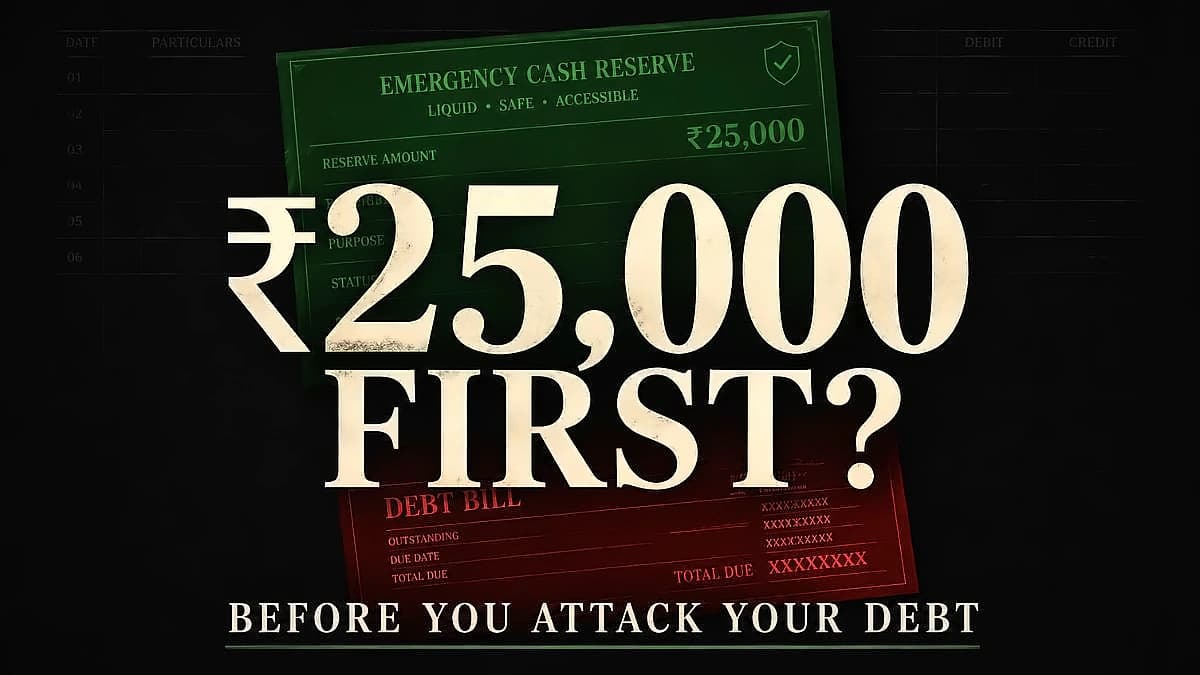
According to Foundations in Personal Finance, building a strong financial foundation begins with creating an emergency fund worth 3-6 months of living expenses in a liquid, easily accessible account such as a savings account. This emergency fund serves as the first priority before any investment or debt repayment, preventing dependence on credit cards or personal loans during unexpected situations. The analysis emphasizes that regular contributions to grow this fund steadily over time is crucial for financial stability. As reported by Dalal Street Investment Journal, a balanced approach involves creating this emergency fund first to prevent financial crises that can derail long-term planning.
Credit card debt can have significant long-term impacts on financial goals, with 40% of Americans having delayed or canceled major purchases due to credit card debt, while 27% have reduced or paused contributions to savings and emergency funds according to Empower research. About 3 in 5 workers and 3 in 10 retirees say debt is hurting their ability to save for retirement, according to a 2026 survey from the Employee Benefit Research Institute. The psychological toll is substantial, with nearly 2 in 5 Americans saying credit card and other debt keeps them up at night and makes them more cautious about spending or investing. However, the good news is that such impacts are reversible - paying down balances, even on a small and steady basis, can free up cash flow and improve credit profiles, allowing money to be redirected toward savings, investments, and major purchases.
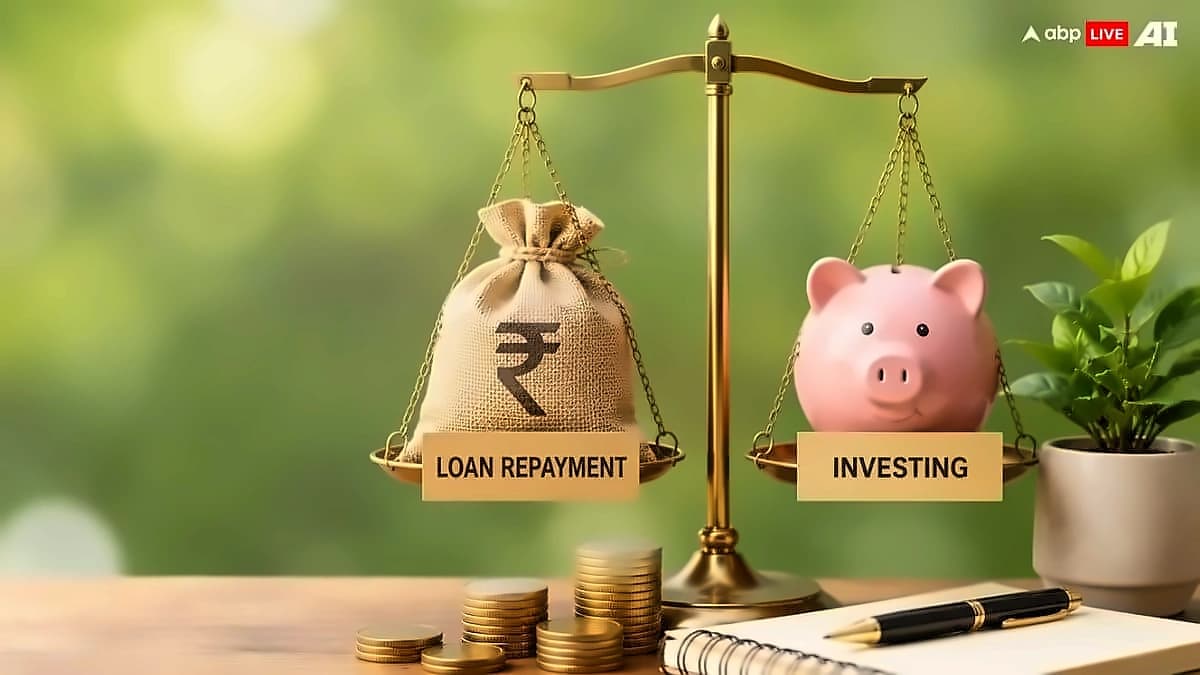
As reported by Dalal Street Investment Journal, while high-interest debt should generally be cleared quickly, avoiding investments completely during prime earning years can also be a mistake. The ideal strategy balances reducing expensive debt steadily while allowing compounding to work through disciplined investing. Personal finance involves both mathematics and emotional comfort - some individuals feel mentally relaxed after becoming debt-free, while others are comfortable carrying low-cost loans while focusing on long-term investing. The key is sustainability, as a financial plan should help sleep peacefully rather than create constant stress. Foundations in Personal Finance emphasizes that procrastinating on insurance, estate planning, or savings can jeopardize financial security, making it crucial to start early and automate contributions for long-term success.