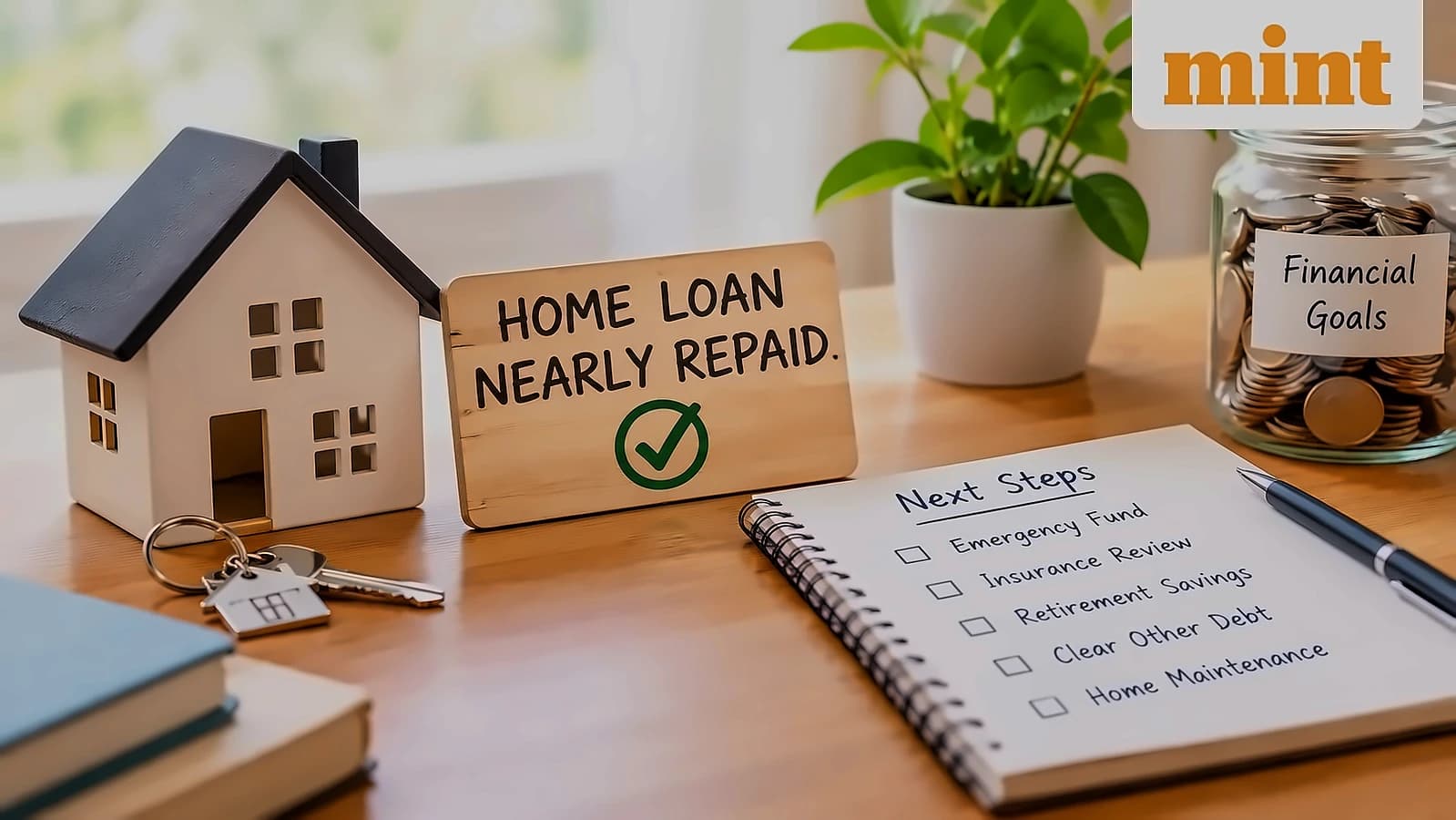
Financial experts are emphasizing the importance of establishing an emergency fund before focusing on debt repayment, as reported by [source]. This approach addresses the fundamental challenge that debt repayment strategies often fail when unexpected financial emergencies arise, leaving individuals without adequate resources to handle immediate financial needs. According to mortgage expert Forest Knott with over 25 years of industry experience, the most powerful outcome isn't receiving a lump sum or opening a line of credit - it's replacing financial chaos with a plan. When households can reduce pressure from expensive debt and deliberately redirect that breathing room toward emergency savings, it can fundamentally change how the entire household feels about its future.
The effectiveness of debt repayment strategies is significantly influenced by interest rates, according to financial analysis. High interest rates on debt can create substantial financial pressure, making it difficult to maintain both debt payments and emergency fund contributions simultaneously. This dynamic highlights the importance of prioritizing emergency fund establishment when interest rates are favorable for debt repayment. As reported by Knott, the objective isn't simply to move debt from one place to another - it's to determine whether there is a responsible strategy that can create more breathing room and a clearer path forward.
Employment stability plays a crucial role in determining the optimal financial strategy, as reported by [source]. Individuals with stable employment are better positioned to maintain both debt repayment and emergency fund contributions simultaneously. However, those with unstable employment may need to prioritize emergency fund establishment before pursuing aggressive debt repayment strategies. According to Knott, debt stress rarely stays contained to a monthly statement - it affects how people sleep, how secure they feel and what they believe is possible for their family.
Homeowners with substantial equity accumulation may find solutions through home equity lines of credit (HELOCs) or fixed second mortgages to address high-interest debt and improve monthly cash flow. As reported by Knott, HELOCs and second mortgages may allow qualified homeowners to access a portion of their available equity without replacing an existing first mortgage. These tools can potentially consolidate higher-interest credit cards or other qualifying obligations into a more structured repayment strategy. Before proceeding, homeowners should understand the total cost of current debts including interest rates and minimum payments, whether a HELOC, fixed second mortgage or another solution is appropriate, and all applicable interest, closing costs, repayment terms and potential rate changes.