According to Mint reports, becoming a loan guarantor creates significant legal obligations that can directly impact future borrowing capacity. Under Indian law, a guarantor's liability is co-extensive with the borrower's, meaning lenders can recover from the guarantor exactly as they would from the primary borrower. As reported by Mint, Kapil Makhija, COO of MinEMI, explained that lenders count the guaranteed EMI as the guarantor's potential obligation, which shrinks their own loan eligibility and appears in their credit report. The guaranteed account can reflect in the guarantor's credit report, with delays or defaults by the borrower potentially negatively affecting the guarantor's creditworthiness. Importantly, a lender can proceed against the guarantor without first exhausting every recovery option against the borrower, making the financial risk even more substantial than it may initially appear.
As detailed in the Mint report, individuals should carefully evaluate five key factors before becoming a loan guarantor. The first factor involves understanding the borrower's repayment capacity by checking their income, existing EMIs, and financial stability. The second consideration is assessing the impact on your own borrowing plans, as a guaranteed loan can reduce available borrowing capacity for future personal, home, or car loans. The third factor is checking your credit profile, as the guaranteed account can reflect in your credit report and affect your creditworthiness. The fourth requirement is knowing the terms of the guarantee thoroughly, including liability extent, tenure, timelines, and conditions for lender repayment. The fifth factor emphasizes not relying solely on personal relationships - while trust is important, financial commitments require due diligence and consideration of whether you could financially withstand repayment if circumstances change. Before signing any guarantee, individuals should ask themselves the same question they would ask before lending money directly: could I afford to repay this debt if they couldn't?
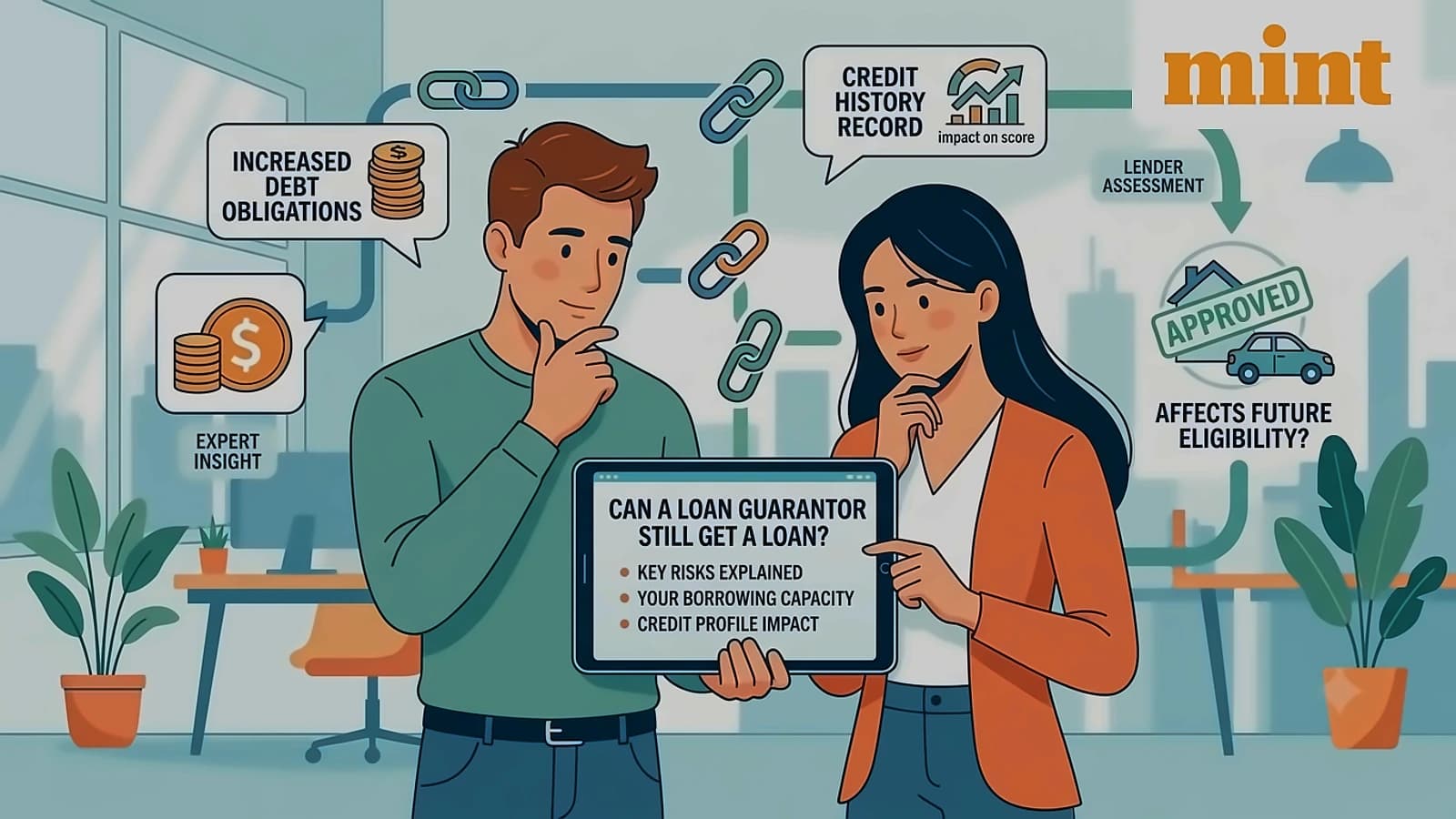
According to Mint reports, financial experts regularly encounter cases where applicants are rejected due to previous guarantor arrangements. As reported by Makhija, such cases occur commonly and are a clear warning sign that applicants should sign guarantees as if the loan is their own. The report emphasizes that becoming a guarantor is not merely a formality or show of affection, but a significant financial commitment that can affect an individual's current financial situation, credit score, and even jeopardize their overall credit profile. The wrong decision can complicate future loan eligibility and adversely affect borrowing capacity, making it crucial for individuals to carefully evaluate risks and consult certified financial advisors before making any commitment. Additionally, signing a guarantee can feel easier because no money immediately leaves your bank account, but the financial risk is real - if the borrower stops paying, the lender can ask you to honour the guarantee, potentially derailing your own financial plans.