Foreclosure of loan accounts refers to the early closure of loan accounts with financial institutions ahead of the tenure. According to reports from Personal Finance News, this strategy is designed to avoid huge interest outgo in the long run while providing relief from maintaining credit and tracking repayment schedules. The approach involves paying off minimum amounts across liabilities and then allocating extra funds towards debt with the highest interest rates, such as credit cards, personal loans, and other unsecured loans.
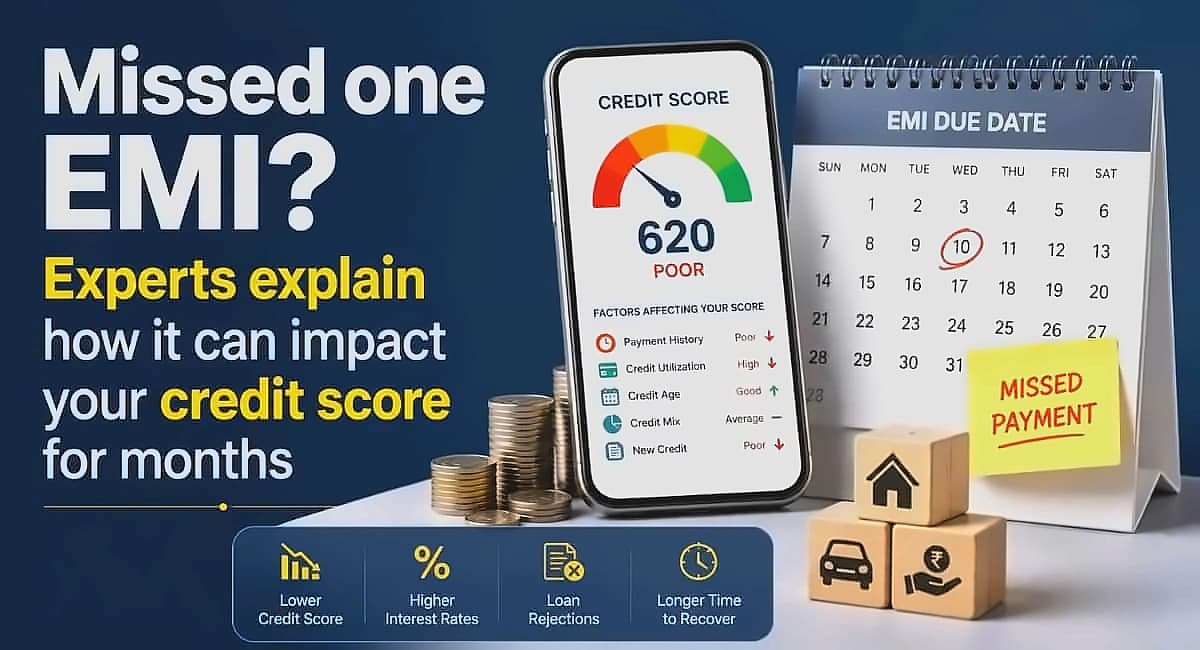
For borrowers, the direct impact is seen in the debt-to-income ratio, which increases when loan accounts are foreclosed. As reported by Personal Finance News, the debt-to-income ratio considers total debt against income, and lower ratios result in better credit scores. Initially, credit scores decline due to lesser diversification in credit mix and shorter credit history. However, when credit utilization ratios continue to be over 30%, credit scores begin to recover within 6 months. A foreclosure remains on your CIBIL report for up to seven years from the date of the event, significantly impacting your borrowing capacity during this period. Even as you take steps to improve your score, the foreclosure record itself will still be visible, requiring a consistent and disciplined approach to rebuild trust with lenders.

According to the report, borrowers should strategically plan loan closures and spread them across timeframes to minimize the impact on credit scores. Additionally, they must always ensure they receive full-repayment NOC against the loan and avoid keeping it as a 'Settled' loan obligation. For credit score preservation, maintaining 1-2 credit cards while adhering to optimal utilization for the best possible credit score is crucial. The key to recovery involves acknowledging the challenge and committing to a strong recovery plan, focusing on maintaining financial agility and demonstrating financial discipline to lenders.
While foreclosing loan accounts significantly reduces debt burden, as reported by Personal Finance News, borrowers should not repay debt at the cost of liquidity requirements for investments such as bonds or gold for higher returns. Maintaining an investment portfolio based on risk profile and investment goals remains crucial for reaching a substantial corpus by retirement years. A strong CIBIL score above 750 opens doors to better loan products, faster approval times, eligibility for higher loan amounts, and demonstrates financial discipline to lenders.