According to reports from BigGo Finance, Robert Kiyosaki is reframing his long-running pitch for bitcoin and precious metals, describing these assets as insurance against financial trouble rather than a bet on economic collapse. The Rich Dad Poor Dad author, who has spent years warning about government debt and currency debasement, said in a recent post on X that preparing for monetary instability does not mean predicting disaster. Kiyosaki called himself a 'financial prepper' and likened holding gold, silver, and bitcoin to carrying auto coverage, explaining that people do not buy car insurance because they want to crash, but because they want protection if something goes wrong. This represents a notable shift in tone from some of his more apocalyptic warnings, even as the underlying strategy remains largely unchanged. In his latest comments, Kiyosaki expressed his preference: 'I only want money the government cannot print', reinforcing his support for bitcoin within a wider investment strategy that includes gold, silver, ethereum, and oil.
As reported by BigGo Finance, Kiyosaki advocates for holding money that no central bank can print, including gold, silver, Bitcoin, and oil wells. He specifically holds oil wells since governments remain dependable buyers of crude. His investment philosophy centers on three key principles: treating scarce assets as insurance against debasement, expecting purchasing power to erode through printing and taxation even when headline prices appear stable, and holding what no authority can create at will because supply limits provide actual protection. Bitcoin fits the thesis particularly well because its supply is capped at 21 million coins, though scarcity alone does not guarantee the asset will preserve purchasing power over any specific period. Kiyosaki continues to accumulate during periods of market weakness, recently buying assets including bitcoin and Ethereum rather than retreating into cash, even as he acknowledged that his public stance on timing has not always been consistent. His broader holdings also include rental apartments, which he listed alongside U.S. oil wells in his September retirement savings warning.
According to market data, gold trades near $4,140 per ounce after peaking above $5,400 earlier this year, while silver sits around $60, down roughly 16% in 2026. Bitcoin hovers near $85,450, up more than 32% last quarter but still below its 2025 peak of roughly $126,000. These current prices contrast with Kiyosaki's forecasts of gold at $27,000, silver between $100 and $200, and Bitcoin reaching $250,000, none of which have materialized. The 'financial prepper' framing positions bitcoin less as a growth asset and more as a safeguard against systemic failure, treating the asset as part of a survivalist approach to money rather than a purely market-driven decision. Kiyosaki's criticism centers on the risk that cash savings lose buying power even when their dollar balance remains unchanged, with the Federal Reserve and government taking wealth through taxation and inflation.
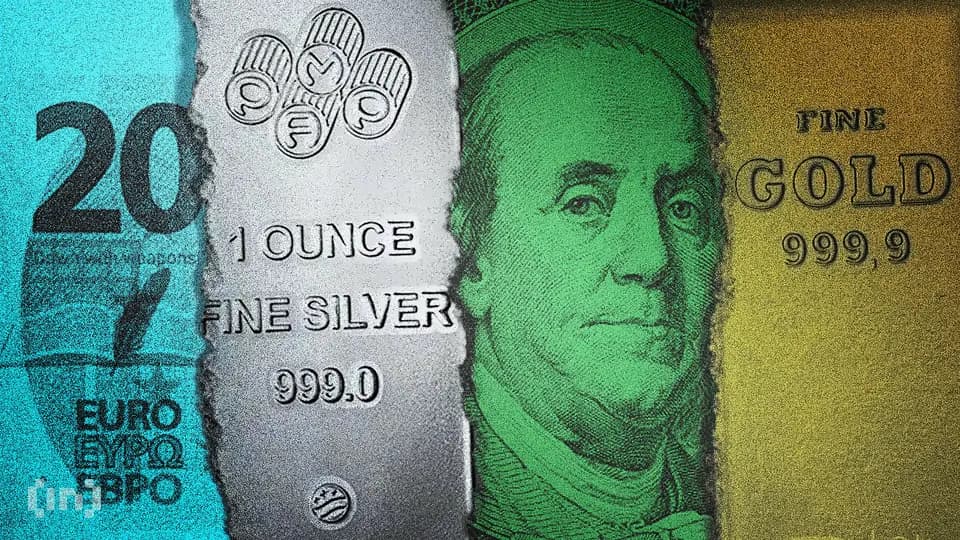
As reported by BigGo Finance, the macroeconomic backdrop supports Kiyosaki's thesis with total United States public debt exceeding $40.2 trillion. The personal consumption expenditures price index holds near 3.4% annually, above the Federal Reserve's 2% target, while the federal funds rate sits between 3.75% and 4%. Kiyosaki argues that inflation and monetary expansion erode the purchasing power of government-issued currencies, with scarce assets outside the fiat system offering protection against that dynamic. The distinction concerns what savings can buy over time, rather than simply how much money an account holds, with the Federal Reserve monitoring changes in consumer prices through several indexes to assess inflation. Despite elevated debt and inflation levels, official figures remain well short of catastrophe, with investors continuing to pay volatility premiums for insurance protection.