The Income Tax Return filing deadline for Assessment Year 2026-27 is July 31, 2026, primarily affecting salaried employees, pensioners, and other taxpayers who are not required to have their accounts audited. According to reports from Mint, this deadline applies to individuals and non-audited entities who will file returns using forms such as ITR-1, ITR-2, and ITR-4. The upcoming filing covers income earned during the financial year from April 1, 2025 to March 31, 2026. Missing the normal ITR filing deadline of July 31, 2026 will result in a ₹5,000 penalty under Section 139(4), while filing after December 31, 2026 will attract interest at 1% per month on unpaid tax. The Income Tax Department can also issue a notice under Section 142(1) if they think you should have filed a return.
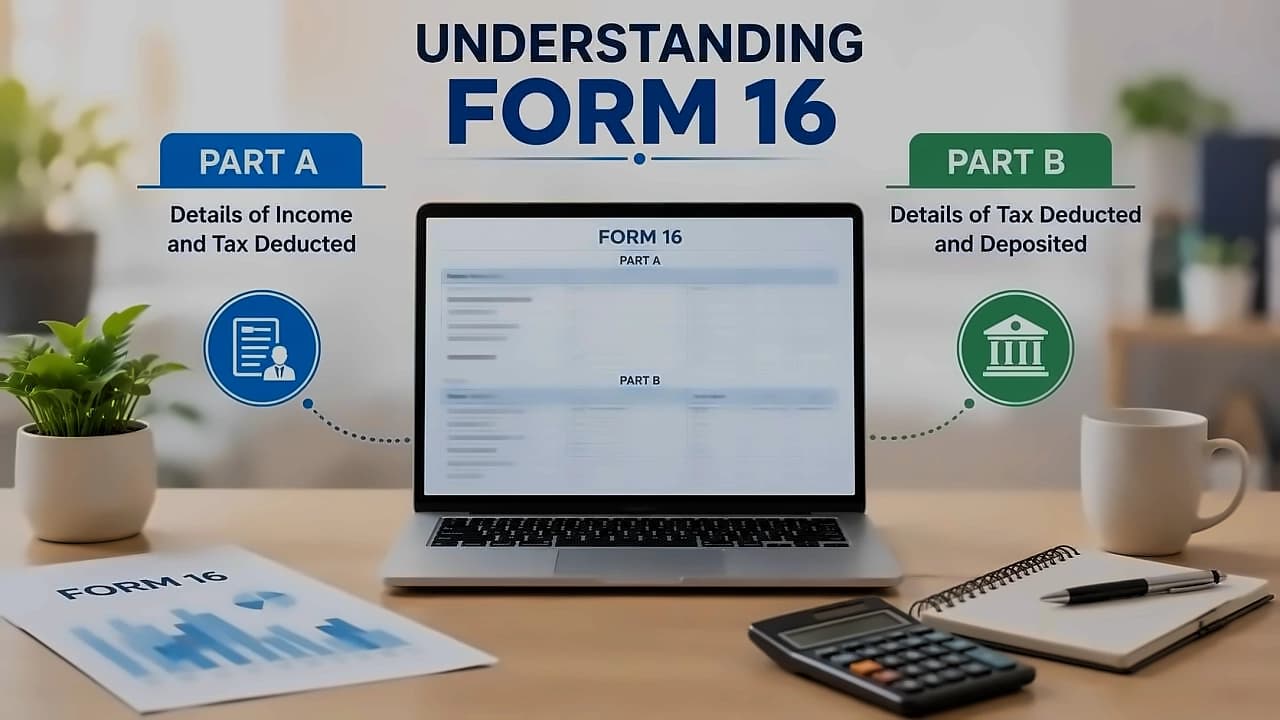
ITR-1 (Sahaj) can be filed by resident individuals with total annual income up to ₹50 lakh, primarily intended for individuals earning income from salaries, pensions, and other sources such as bank interest or dividends. As reported by Mint, the form is also available for eligible taxpayers with long-term capital gains up to ₹1.25 lakh. Several changes have been introduced in ITR-1 this year, including the ability to report income from two house properties instead of only one, and a new option to disclose 'unrealised rent''. However, the field related to Section 89A relief for retirement savings maintained in foreign countries has been removed. For most salaried employees, ITR-1 is the go-to form as it's simple, straightforward, and doesn't ask for too many details. Gathering the right paperwork makes filing so much easier, including Form 16 from your employer showing salary and tax deducted, bank account details for refunds, investment proofs, and house rent receipts if claiming HRA.
ITR-2 is applicable to individuals and Hindu Undivided Families (HUFs) who are not eligible to file ITR-1 but do not have income from business or professional activities. According to Mint, this form is commonly used by company directors, individuals holding unlisted equity shares, and taxpayers with certain capital gains or foreign income requirements. Unlike ITR-1, the Section 89A relief reporting option has been retained in ITR-2, allowing eligible taxpayers to report relief related to specified retirement benefit accounts held outside India. ITR-3 is designed for individuals and HUFs who have income from business or profession along with income from salary, pension, house property, capital gains or other sources. The updated ITR-3 form includes provisions for reporting foreign assets and foreign retirement income, making it suitable for taxpayers with international financial interests. ITR-2 is for those with capital gains, investments, or more complex income sources - if you sold property or have significant stock investments, you need ITR-2.
ITR-4 (Sugam) is available for individuals, HUFs, and resident firms (excluding Limited Liability Partnerships) who opt for presumptive taxation under Sections 44AD, 44ADA, and 44AE of the Income Tax Act. As reported by Mint, the form covers income from eligible businesses and professions, salary or pension, house property, interest income, and dividends. Taxpayers with agricultural income up to ₹5,000 and long-term capital gains under Section 112A up to ₹1.25 lakh can also file returns using ITR-4. Similar to ITR-1, the revised ITR-4 allows reporting of income from two house properties and includes a separate field for 'unrealised rent', while the Section 89A reporting field has been removed. ITR-4 is for individuals, HUFs, and resident firms who opt for presumptive taxation - it's available for those who have income from eligible businesses and professions.
Filing an ITR helps you get loans faster, claim refunds you're owed, and protect yourself from tax notices. Even if your employer deducted tax from your salary, you might be eligible for a refund if too much was taken out. The standard deduction is automatic - ₹50,000 from salary, but for other deductions, keep your receipts and proofs. Common deductions for salaried people include Section 80C (₹1,50,000 limit for EPF, insurance, mutual funds, NSC), Section 80D (₹25,000 for health insurance premiums), Section 24 (₹2,00,000 for house loan interest), and Section 80E (no limit for 8 years for education loan interest). Smart planning throughout the year saves you money - invest in ELSS mutual funds, pay health insurance premiums before year-end, make house loan principal payments, contribute to your EPF, and claim HRA if you pay rent. The Income Tax Department processes refunds within 90 days - the money goes directly to your bank account, but sometimes it takes longer if there are discrepancies or if they need more information. You can check your refund status on the portal anytime.