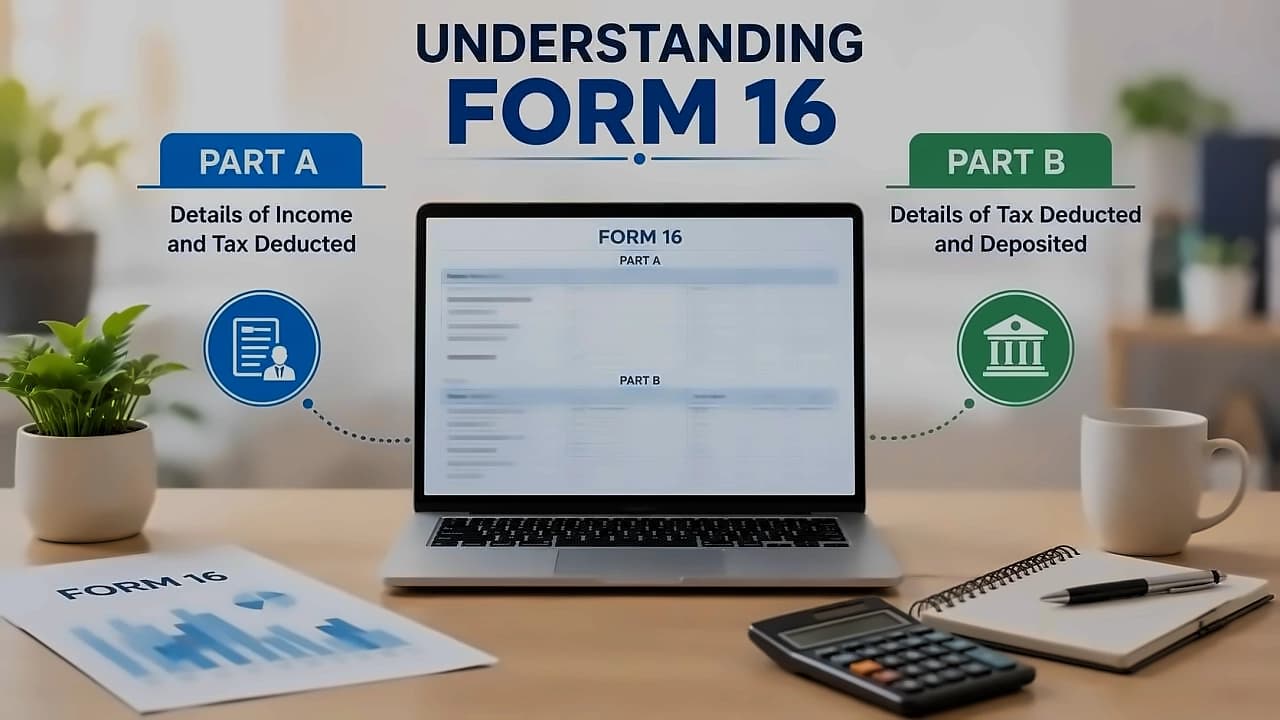
Employers must issue Form 16 by June 15 of the financial year immediately following the year in which salary was paid and tax deducted. For Financial Year 2025-26 (Assessment Year 2026-27), Form 16 must be issued on or before June 15, 2026. Employees who changed jobs during the financial year can receive Form 16 from each employer for the period they worked with that employer. Form 16 is generated through the TRACES portal using employer TAN credentials, with employees unable to download it directly from the Income Tax Department website. The document must be authenticated through manual or digital signature before issuance. Note: Form 16 has been renamed to Form 130 for the current financial year, as reported by NDTV Profit.
Despite the widespread availability of Form 16 certificates from employers, taxpayers can still complete their Income Tax Returns (ITR) accurately using alternative documentation. According to reports from NDTV Profit, taxpayers can utilize Form 26AS, the Annual Information Statement (AIS), salary slips, and bank statements to file their returns. These documents serve specific purposes - salary slips help calculate monthly gross salary, allowances, and deductions across all 12 months, while Form 26AS provides a tax credit statement reflecting income and all TDS deducted throughout the financial year. The Annual Information Statement (AIS) confirms whether tax deducted from salary has been deposited with the government and tracks interest income from savings accounts and fixed deposits. Taxpayers should compare both Form 26AS and AIS statements with their records before filing returns to ensure all details are correctly filled.
The primary risk in filing ITR without Form 16 involves potential errors in income calculation and tax details. As reported by NDTV Profit, common mistakes include forgetting to cross-check Form 26AS and AIS, not reporting freelance income or interest income, and claiming deductions without proper proof. These oversights can trigger scrutiny notices from the Income Tax Department, requiring taxpayers to explain any mismatches in their returns. In severe cases, failing to file correctly or providing incorrect information can result in penalties and legal complications. The department's ability to cross-reference multiple sources makes it crucial for taxpayers to ensure accurate reconciliation of all income and tax details. Tax experts warn that missing income or TDS details could lead to errors and notices when filing without Form 16, emphasizing the importance of proper documentation.
The ITR filing deadline for individuals not subject to tax audit is July 31, 2026. For Financial Year 2025-26 (Assessment Year 2026-27), this deadline falls on July 31, 2026. Missing this deadline results in interest charges under Section 234A and a late filing fee of up to ₹5,000 under Section 234F. However, taxpayers who still miss the due date can file a belated return until December 31, 2026. Since Form 16 is typically issued by employers by June 15, taxpayers have sufficient time to review their income details and complete the filing process before the July 31 deadline. The urgency stems from the fact that Form 16 serves as a convenient summary of salary and tax deductions that simplifies the filing process.