The income-tax department has notified I-T return (ITR) forms for assessment year 2026-27 (AY27) or financial year 2025-26 (FY26) and enabled Excel Utility for the ITR-1 (Sahaj) and ITR-4 (Sugam) forms online. According to reports from Mint, this development means that taxpayers can now prepare their returns offline before digitally uploading the same. However, for salaried taxpayers, it may be more prudent to wait until 15 June before filing their returns to avoid potential mismatches between critical financial documents. As per AVS & Associates, taxpayers should understand that Section 143(1) intimations are automated communications issued by the Income Tax Department after processing your ITR, serving as routine status updates on processed returns.
The filing process requires matching details across three essential documents. Form 16 is provided by employers and details salary payments, income deductions, and scheme contributions for the financial year. Form 16A is provided by banks or financial institutions, detailing TDS on non-salary payments such as interest earned or dividend income. Form 26AS is generated by the income-tax department and serves as the Annual Information Statement, containing comprehensive financial data including advance tax deposits, specified financial transactions, credit card transactions, and tax deducted on various transactions. According to AVS & Associates, supporting proofs such as challans, Form 16, Form 26AS, AIS statements, and bank records may be required when responding to Section 143(1) intimations. The department compares the data submitted by taxpayers with Form 26AS, AIS, and TIS records to ensure mathematical accuracy in the return.
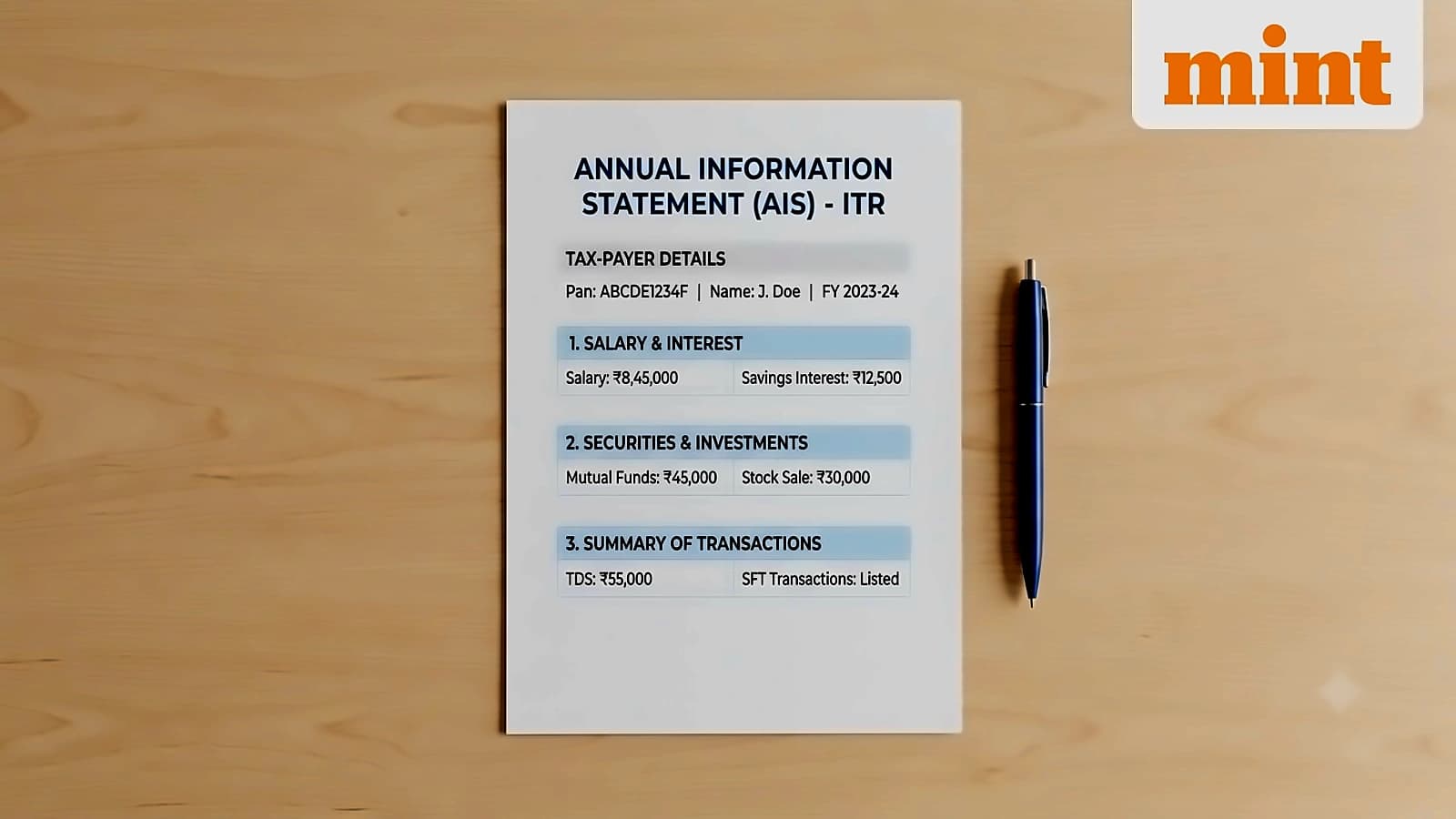
The Annual Information Statement (AIS) provides taxpayers with detailed financial transaction reports essential for accurate income tax return filing. However, taxpayers may occasionally find discrepancies such as incorrect interest income, duplicate entries, unreported transactions, or mismatches with their own records. Filing an ITR without addressing such errors can lead to incorrect tax calculations and may even attract scrutiny later. According to Mint, taxpayers should review their AIS carefully and report any errors through the feedback option before filing. The AIS contains information about an individual's income, financial transactions, tax details, including interest, dividend, securities transactions, mutual fund transactions, foreign remittance information, specified financial transactions (SFT), and GST return information. Taxpayers can access AIS information and submit their response by logging into their income tax e-filing account under the Services tab, selecting the appropriate feedback category such as incorrect information, duplicate entries, or information not taxable.
Taxpayers should follow a comprehensive verification process before filing, as reported by Mint. The checklist includes matching salary details with Form 16, reporting FD, RD, savings account, and refund interest, verifying capital gains from broker reports, reviewing high-value transactions, and keeping documents ready for any differences. The pre-fill service on the e-filing portal automatically fills in data captured by PAN, but when Form 26AS is not up to date, taxpayers cannot use this facility, indicating the need to wait for complete document updates. AIS may also contain duplicate or incorrect data, so taxpayers should reconcile it with their actual records before filing to avoid system flagging and potential clarification requests. According to AVS & Associates, taxpayers can reduce the chances of mismatch notices by following proper filing practices such as matching AIS and Form 26AS before filing, reporting all bank interest income, claiming deductions with proper proof, and reviewing returns thoroughly before submission. Professional assistance can help reduce filing errors significantly.