According to The Times of India, taxpayers must file their Income Tax Returns (ITR) for Assessment Year 2026-27 by July 31, 2026. The old income tax regime remains attractive despite the new regime offering higher basic exemption and standard deduction, as reported by The Times of India. Many taxpayers continue to prefer the old regime due to the availability of multiple deductions and exemptions that can make it a compelling choice for those who can claim higher amounts of these benefits.
As reported by The Times of India, Form 16 covers only employer TDS on salary, while AIS covers 50+ financial transactions that the IT Department already knows about. Form 16 is a TDS certificate issued under section 206 of the Income Tax Act, 1961, provided by employers containing TDS details, salary, and tax calculations. AIS is a consolidated document issued by the department that contains details of income reported by various entities such as banks, financial institutions, property sellers, employers, and stockbrokers. The key differences include Form 16's focus on salary income with basic pay, allowances, and perquisites, while AIS captures business receipts, sale of securities, mutual fund transactions, interest on income-tax refund, and tax payments during the financial year.
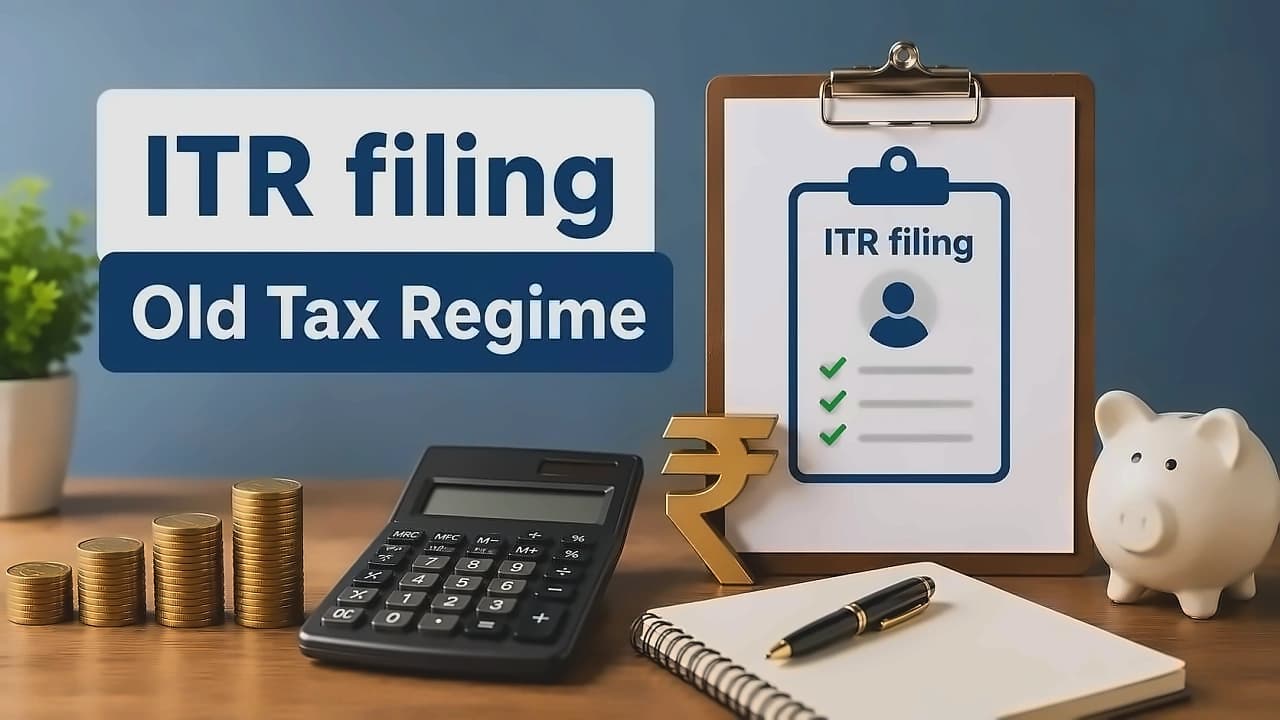
As explained by The Times of India, to calculate taxes under the old tax regime, taxpayers should start with their salary income and reduce the standard deduction to arrive at the net taxable salary income. Next, they should add income from other sources such as savings account interest, fixed deposit interest, dividends, or rental income to compute the Gross Total Income (GTI). From the GTI, eligible deductions under Chapter VI-A, including Sections 80C, 80CCD(1B), 80D, and 80TTA can be claimed to determine the net taxable income. The applicable slab rates are then applied to calculate the tax liability.
According to The Times of India, Form 16 should not be relied upon blindly, as cautioned by Archit Gupta. Taxpayers must carefully verify every income and deduction entry to ensure that all eligible benefits are claimed correctly. Gupta emphasizes the importance of referring to Form 26AS and AIS to identify additional income sources such as interest income that may not be reflected in Form 16, and cross-verifying with relevant evidence. He also warns against claiming deductions without adequate supporting documents such as receipts, certificates, and bank records. The verification process involves cross-verifying Form 16 details with source documents like bank statements, interest certificates, dividend warrants, and DEMAT account statements for different types of income.
As reported by The Times of India, taxpayers should maintain all source documents including Form 16, AIS, Form 26AS, and other TDS/TCS certificates while filing ITR. For salary-related details, Form-16 can be significantly relied upon as those are details directly reported by the source (the employer). However, for exemptions and deductions, some details may be missed or inaccurately reflected in Form 16, requiring cross-verification with source documents. The filing process involves cross-verifying all income details with source documents irrespective of their materiality, ensuring that all income details available with the department are covered. Taxpayers should also be aware that income from intraday trading, freelance business income, and gifts may not be reflected on AIS due to their nature, requiring manual inclusion in ITR filing.