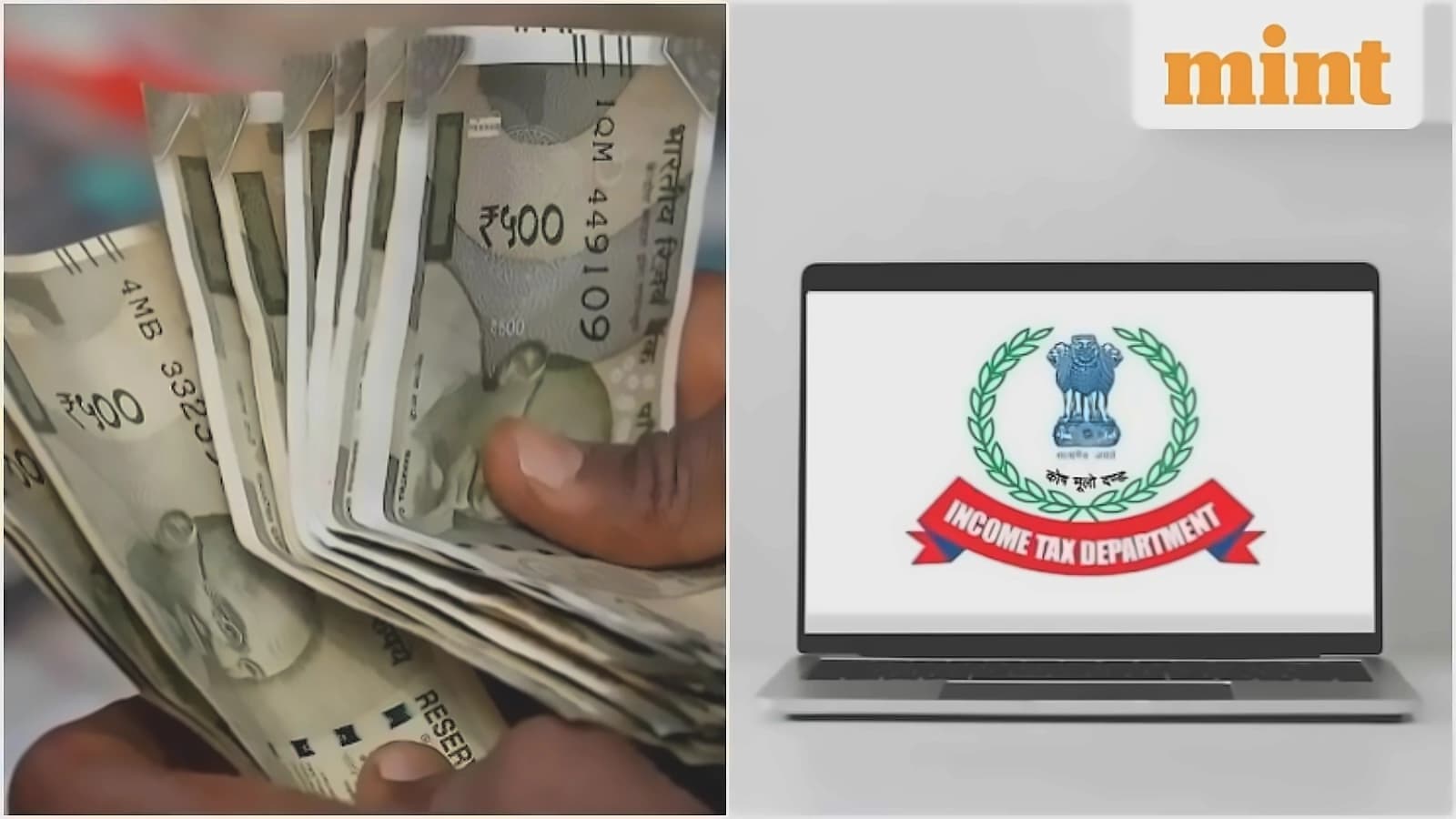
The issue of ITR filing delays escalating to criminal offences has gained attention following a Chennai Economic Offences Court conviction. According to a Press Information Bureau release, a taxpayer who earned ₹1.13 crore as commission and brokerage income in FY2013-14 was sentenced to one year of rigorous imprisonment and fined ₹50,000 under Section 276CC of the Income-tax Act. As reported by Business Standard, this case has sparked concerns among taxpayers about the potential criminal consequences of missing ITR filing deadlines.
ITR verification within the prescribed 30-day window is mandatory for maintaining return validity. According to SR Patnaik, Partner at Cyril Amarchand Mangaldas, taxpayers may become liable for a late filing fee under Section 234F if verification is delayed beyond this period. The fee structure varies by income level, with ₹1,000 for individuals with total income up to ₹5 lakh and ₹5,000 for those earning above ₹5 lakh. Additionally, delayed verification can result in interest on unpaid tax liability and may affect eligibility to carry forward certain losses.
Legal experts emphasize that prosecution under Section 276CC requires deliberate non-compliance rather than simple delays. Ritika Nayyar, Partner at Singhania & Co., explains that the crucial element is 'wilful' failure to file returns, targeting taxpayers who deliberately choose not to comply with legal obligations despite having taxable income. According to Business Standard reports, Alay Razvi, Managing Partner at Accord Juris, describes Section 276CC as a prosecution provision rather than a routine penalty, with criminal prosecution typically reserved for aggravated cases involving deliberate non-compliance.
The Income Tax Department examines taxpayer conduct rather than delay duration alone when considering prosecution. As reported by Business Standard, S R Patnaik, Partner at Cyril Amarchand Mangaldas, notes that honest delays may attract only late fees and interest, while taxpayers who deliberately ignore statutory notices or conceal significant income face higher risk. Ankit Jain, Partner at Ved Jain and Associates, explains that prosecution typically occurs only after repeated notices are ignored despite sufficient compliance opportunities. The Supreme Court's Sasi Enterprises ruling established that filing belated returns may not protect wilful defaulters from prosecution.
Missing ITR filing can affect multiple aspects of financial life beyond tax penalties. As reported by Business Standard, Alay Razvi notes that banks and NBFCs routinely seek ITRs for loan processing, while non-filing can delay tax refunds and prevent carrying forward certain losses. Ankit Jain explains that ITRs are commonly required for visa applications, government tenders, and business transactions requiring financial credibility assessment. S R Patnaik adds that non-filing may affect insurance underwriting, visa approvals, and government contract eligibility, making timely filing crucial for maintaining overall financial credibility. SR Patnaik warns that unverified returns can deny carry-forward of losses entirely and expose taxpayers to scrutiny notices, best judgement assessments, and potential prosecution for non-filing.