The Old Tax Regime continues to offer comprehensive home loan tax advantages that make it attractive for borrowers. According to tax experts, homeowners can claim a deduction of up to ₹2 lakh per financial year on interest paid towards home loans for self-occupied properties. This benefit is subject to completion of construction or purchase within the prescribed five-year period. Additionally, under Section 80C, homeowners can claim tax relief of up to ₹1.5 lakh annually on principal components of housing loan repayments, though this falls within the overall ₹1.5 lakh Section 80C ceiling that also covers PPF, EPF, and other tax-saving investments. As per the latest income tax laws, Section 87A allows individuals to claim a rebate of ₹12,500 under the old tax regime and ₹60,000 under the new tax regime, making the old regime particularly attractive for homeowners.

The New Tax Regime offers lower tax rates but significantly fewer deductions for home loan benefits. As reported by tax experts, taxpayers cannot generally claim tax benefits on home loan principal repayments under Section 80C, nor can they avail the interest deduction available under Section 24(b) for self-occupied homes. However, landlords may still be eligible to claim deductions on interest expenses against rental income from house property. According to the Income Tax India portal, taxpayers filing ITR under the new tax regime are not allowed to claim interest deduction against self-occupied property, but for let-out properties, the entire home loan interest repayment can be claimed as a deduction without any limit against rental income. However, tax benefits on home loan interest are limited to the rental income from house property, and any losses under the head house property cannot be set off against other income or carried forward to future assessment years.
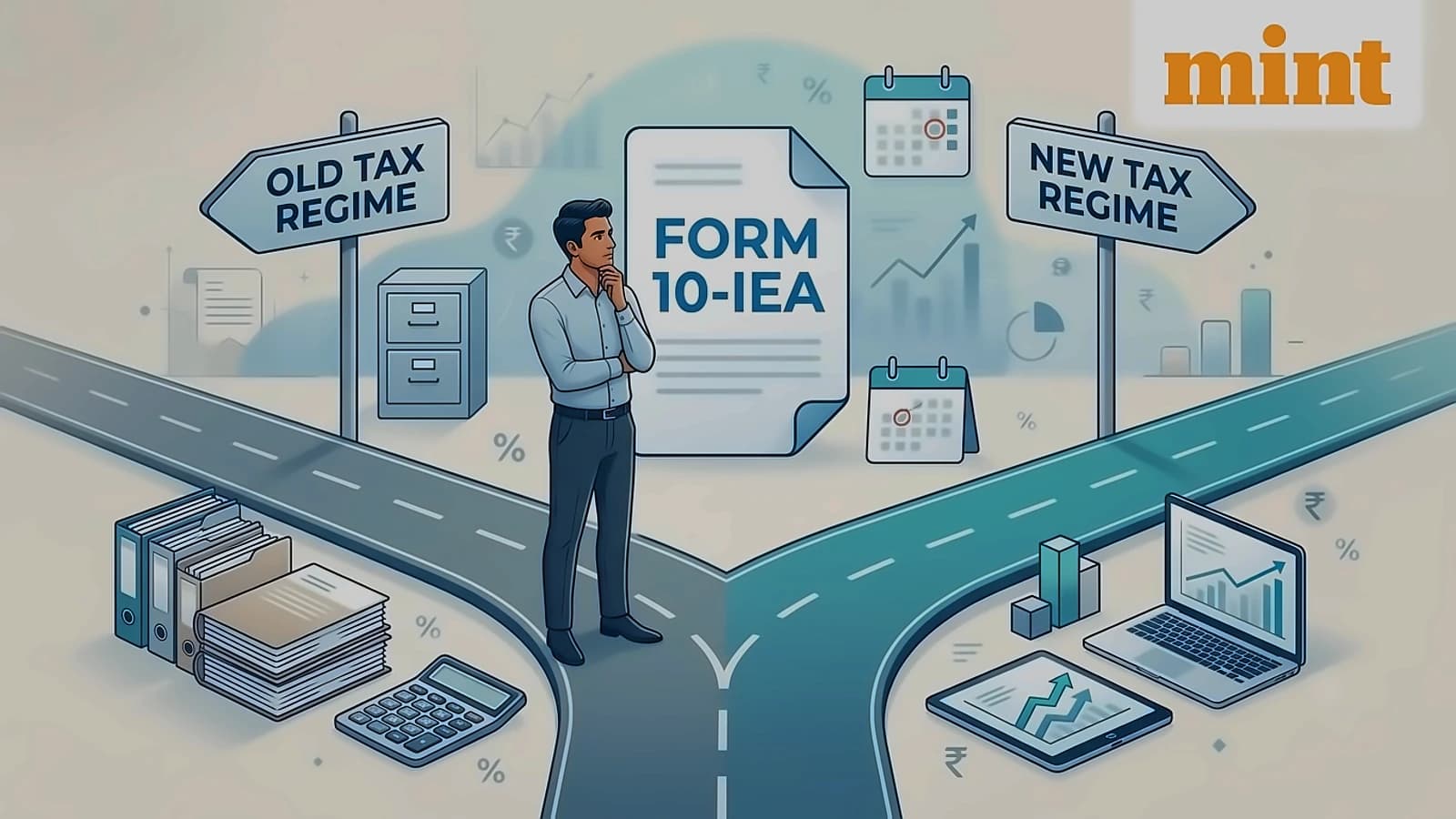
According to tax professionals, there is no one-size-fits-all answer when choosing between the two tax regimes. The old regime often favours taxpayers who actively use deductions through home loans, insurance policies and tax-saving investments. Meanwhile, individuals with limited exemptions to claim could find the new regime more cost-effective. A side-by-side calculation remains the best approach to identify the more beneficial option for homeowners preparing their ITR filing for 2026. For individuals with business income, the choice becomes even more strategic, as they must file Form 10 IEA before the due date of filing the ITR to opt for the old tax regime, and once switched, they cannot return to the new regime again.
As taxpayers prepare to file returns for 2026, the growing prominence of the New Tax Regime means careful assessment of which structure works best for their finances. According to tax experts, a careful evaluation today could help homeowners reduce their tax outgo and make the most of available benefits under the Income Tax Act. The due date for ITR-4 filing is August 31, 2026 for AY 2026-27 (FY 2025-26). ITR-4 can be filed by resident individuals, HUF, or firms (other than LLP) with income not exceeding ₹50 lakh during the FY, including income from business and profession computed on presumptive basis under sections 44AD, 44ADA, or 44AE. However, individuals with business income must be aware of the compliance requirements for switching between regimes, as they must file Form 10 IEA twice - once to use the old tax regime and the second to switch back to the new regime.