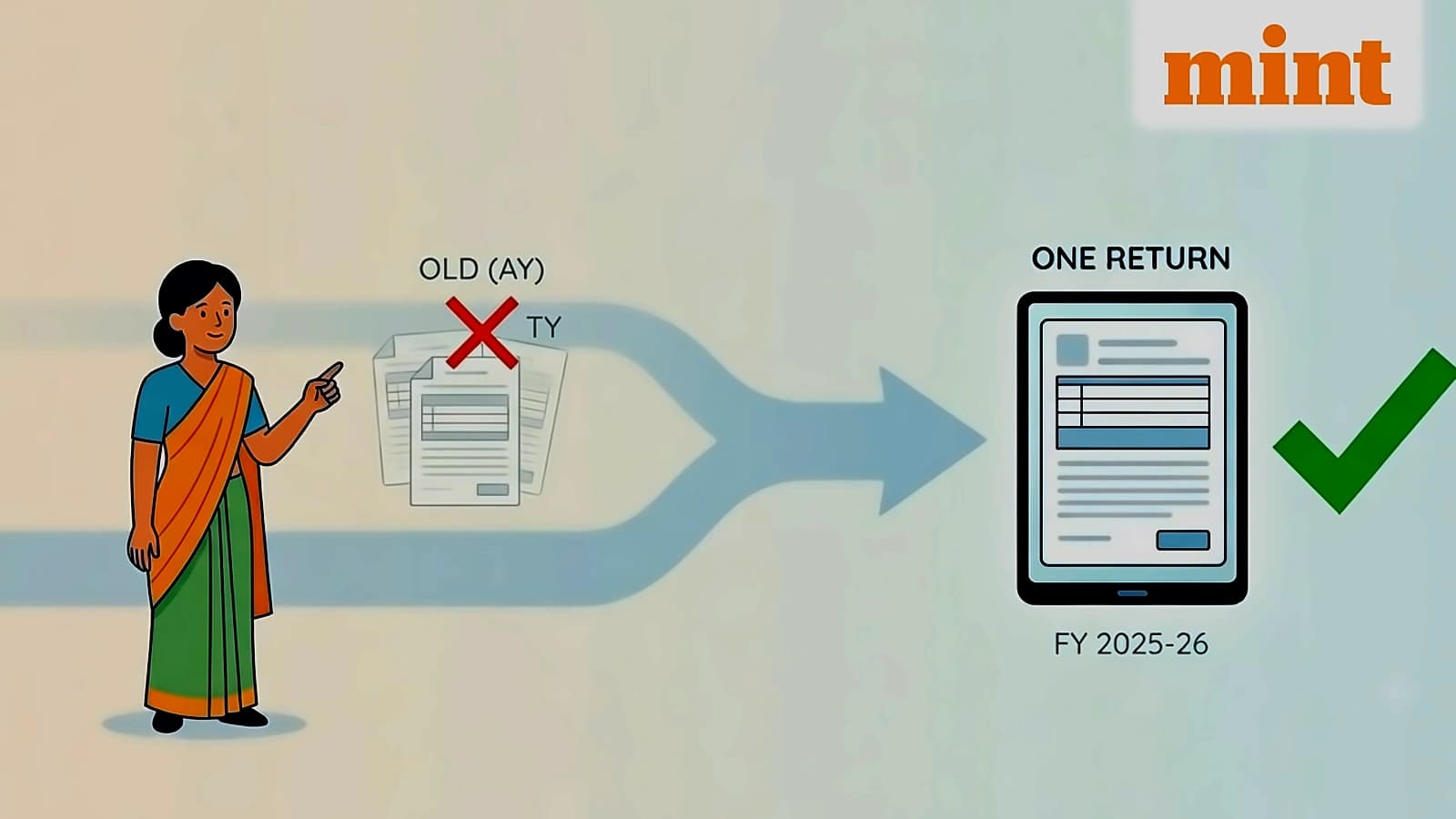
The income tax department has introduced a mandatory secondary address field across all income tax return forms for Assessment Year 2026-27, making it one of the most significant changes in this year's filing process. According to reports from Mint, this requirement applies to all taxpayers filing ITR for financial year 2025-26, including salaried individuals, professionals, businesses, firms, LLPs, companies and trusts. The secondary address field has been added under the personal or general information section of all notified ITR forms, including ITR-1, ITR-2, ITR-3, ITR-4, ITR-5, ITR-6 and ITR-7.

As reported by Mint, the Income-tax Act does not define the term 'secondary address', nor do the notified ITR forms specify what qualifies as one. However, the forms provide a separate field to capture an additional address, where applicable. When filing ITR on the e-filing portal, taxpayers are required to first fill out the primary address section. The portal then prompts the taxpayer to specify whether the secondary address is the same as the primary address. If selected as 'Yes', the secondary address field will be automatically filled with primary address details. If selected as 'No', taxpayers must provide separate secondary address details.
According to Mint reports, making the secondary address field mandatory is expected to make income tax reporting more accurate and reduce discrepancies. The provision can be particularly useful for taxpayers who have recently shifted houses, maintain multiple addresses for personal or professional reasons, own houses in different cities, or live away from their permanent home for work purposes while claiming house rent allowance. Taxpayers should ensure that address details are complete and correctly entered, including correct house or flat number, street, locality, city, state and PIN code, wherever applicable.
As reported by Mint, taxpayers who discover incorrect address details after filing before the July 31, 2026 deadline can still correct them by filing a revised return by March 31, 2027 under Section 139(5) of the Income-tax Act. The due date for those filing ITR 1 (Sahaj) and ITR 2 is July 31, 2026, while for individuals with business income but no audit requirement, the deadline is August 31, 2025.