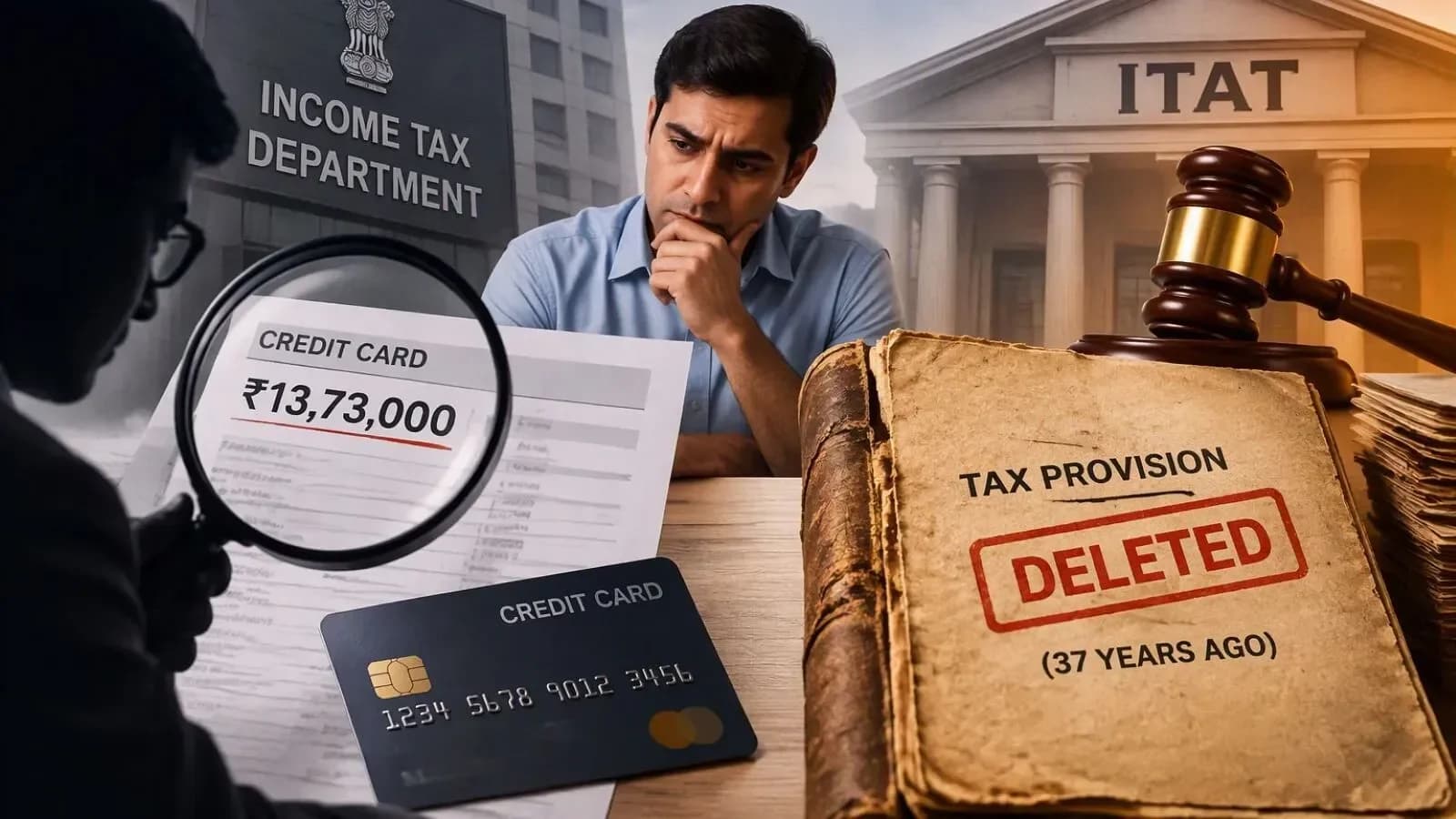
The Income Tax Appellate Tribunal (ITAT), Delhi, deleted a tax demand on Rajesh Maan in an order dated September 9, 2026, after a 14-year legal battle. According to reports from Personal Finance News, Maan faced a tax demand on income he had never earned due to someone else using his PAN details. The tribunal held that 'wrong taxpayer cannot be put to difficulty on technical grounds' for a mistake that was never his fault.
The case began when Rohit Maan, who had actual income of ₹15,99,880, filed his return for AY 2011-12 by wrongly mentioning Rajesh Maan's PAN. As reported by Personal Finance News, Rajesh Maan had actual income of just ₹2,15,649. The Centralised Processing Centre (CPC) processed the wrong return, raising a demand against Rajesh Maan's PAN. Rohit Maan later realised his mistake and revised his return with the correct PAN, but the tax department still processed the wrong return. Rajesh Maan discovered the demand only when recovery proceedings were initiated.
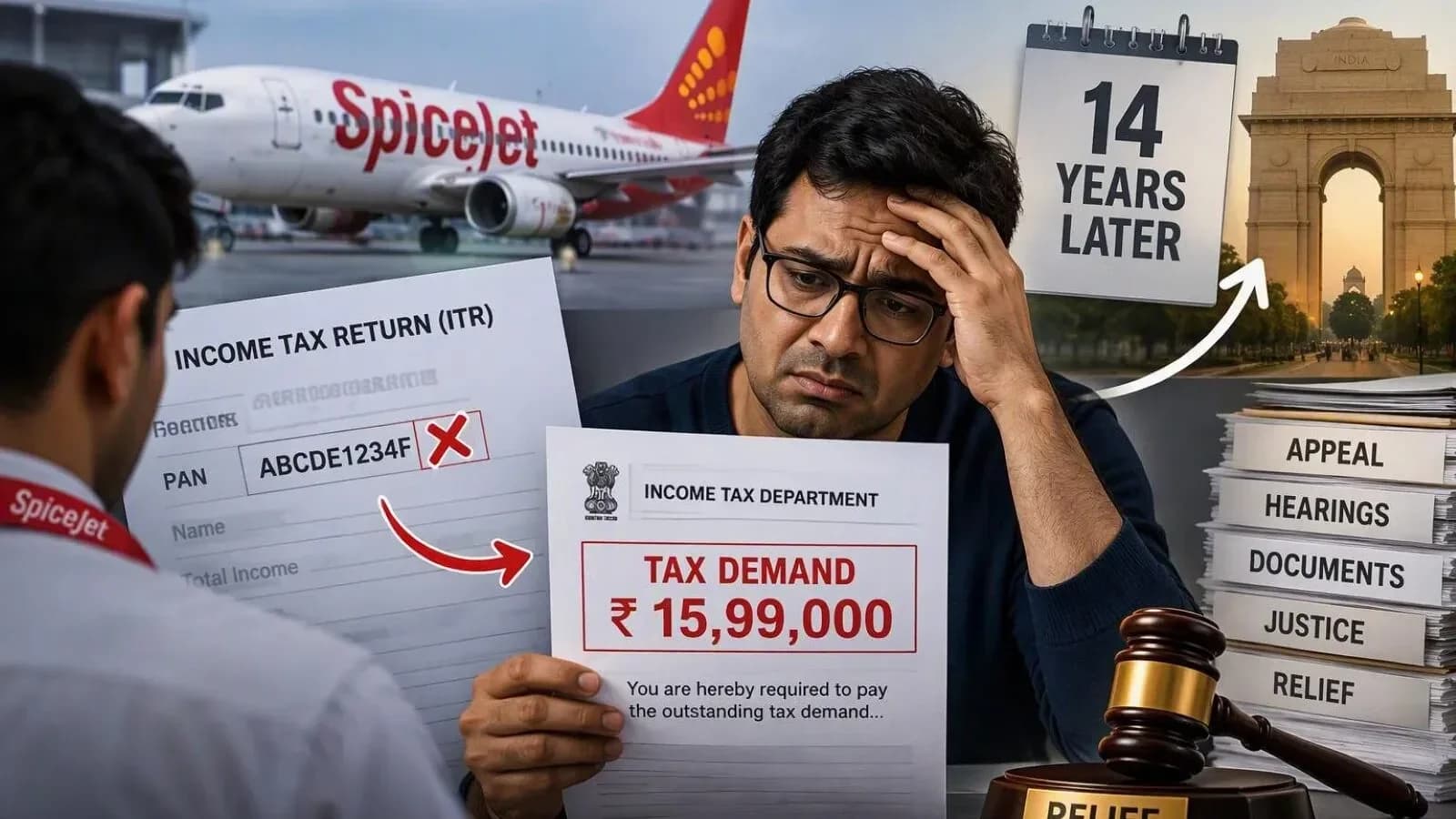
According to the order, Rajesh Maan filed an appeal before the CIT(A) but was late by 4,442 days. The CIT(A) dismissed the appeal purely for the delay without venturing into the merits of the case. Before the tribunal, Maan's counsel presented two decisive documents: the ITR of Rohit Maan filed with the wrong PAN and Rohit Maan's corrected ITR. The departmental representative countered that such substantial delay could not be condoned without proper explanations.
The tribunal examined both returns and noted 'a mistake apparent on record while filing the return of income of one Mr. Rohit Maan, who had wrongly filled the PAN of the assessee while filing his return of income'. As reported by Personal Finance News, the tribunal stated that 'No doubt there is substantial delay in filing the appeal but the demand raised by the Revenue is not belongs to the assessee'. The tribunal emphasized that 'when the liability is not belongs to the assessee, in our view, the same cannot be invoked or recovered any tax unduly from the wrong assessee' even with substantial delay in taking remedial measures.
According to the report, this case provides two important lessons for taxpayers. First, taxpayers should check their Form 26AS or AIS periodically for incomes that are not theirs, as while wrong PAN cases may be rare, wrong entries in AIS can cause significant future problems. Second, relief can come even after a decade of delay if taxpayers receive demands they truly don't deserve to pay, provided they follow proper legal procedures and can establish their innocence.