The Indian investment landscape has become increasingly interconnected with global events, as evidenced by the Nifty 50 index experiencing swings of more than 8% in a single month in 2023. According to reports from The Economic Times, these volatilities were triggered by factors ranging from geopolitical tensions abroad to domestic inflation surprises. Events with little warning, such as sudden policy changes or shifts in international trade, can now set off far-reaching ripples in Indian portfolios within hours or minutes of happening. This interconnectedness makes the need for balance and stability more urgent than ever for investors.
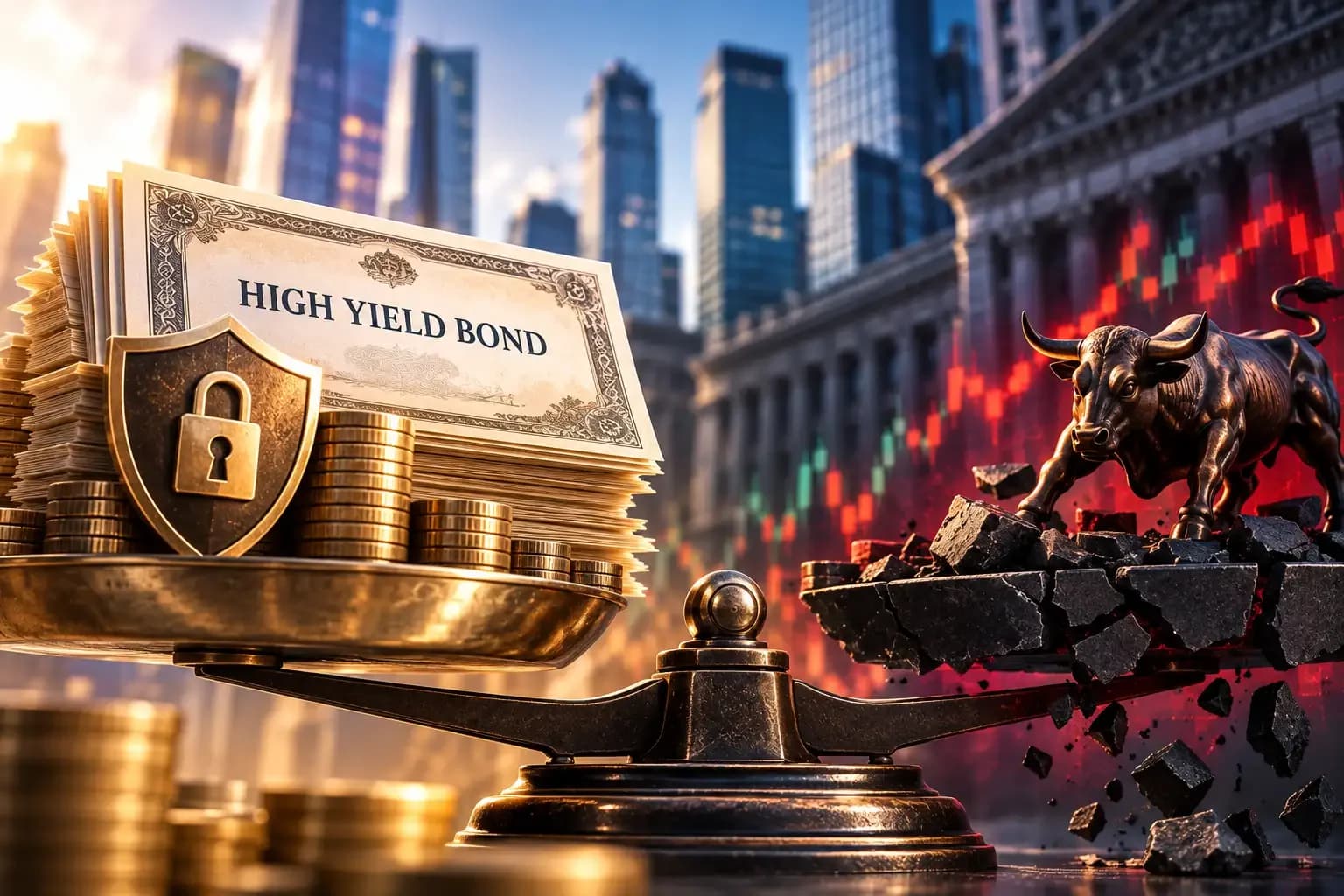
While equities often attract attention for their growth potential, debt products continue to play an essential role in building balanced investment portfolios. As reported by The Economic Times, debt instruments offer fixed or relatively predictable returns and are less sensitive to sharp market swings than equities, serving as a stabilizing force that helps portfolios remain steady even when external shocks hit the markets. These fixed-income assets, including bonds, debentures, treasury bills, commercial papers, certificates of deposit and government securities, enable investors to earn interest on lent amounts while offering relatively predictable returns. The low correlation with equities adds an important layer of diversification to investment portfolios, helping manage overall risk during volatile market periods.
Traditional 60/40 portfolios suffered historic drawdowns in 2022 as both stocks and bonds crashed simultaneously due to aggressive central bank rate hikes. However, as reported by The Economic Times, the asset allocation model normalized in 2023, where fixed-income holdings stabilized and offered better cushioning against equity volatility. This ability to cushion against abrupt market reactions is becoming increasingly valuable as the frequency and magnitude of shocks rise, demonstrating the practical benefits of balanced asset allocation strategies. The global financial crisis of 2008 highlighted this contrast, with the BSE Sensex falling by more than 50% while government bonds and high-quality debt funds delivered stable or positive returns, helping investors avoid heavy losses.
The objective is not to eliminate all risk or volatility, but to create a portfolio that can adapt to changing circumstances and withstand sudden shocks. According to the analysis from The Economic Times, building a portfolio that matches individual comfort with risk and acknowledges today's market realities is essential. Government securities and high-quality corporate bonds have consistently provided stability and reliability, even when equity markets have been unsettled by global events. The Reserve Bank of India's commitment to maintaining macroeconomic stability further highlights the enduring value of bonds in investor portfolios. Despite limitations such as lower returns over long horizons and interest rate risks, debt products continue to offer stability, capital preservation, regular income and risk management that remain central to long-term financial planning.