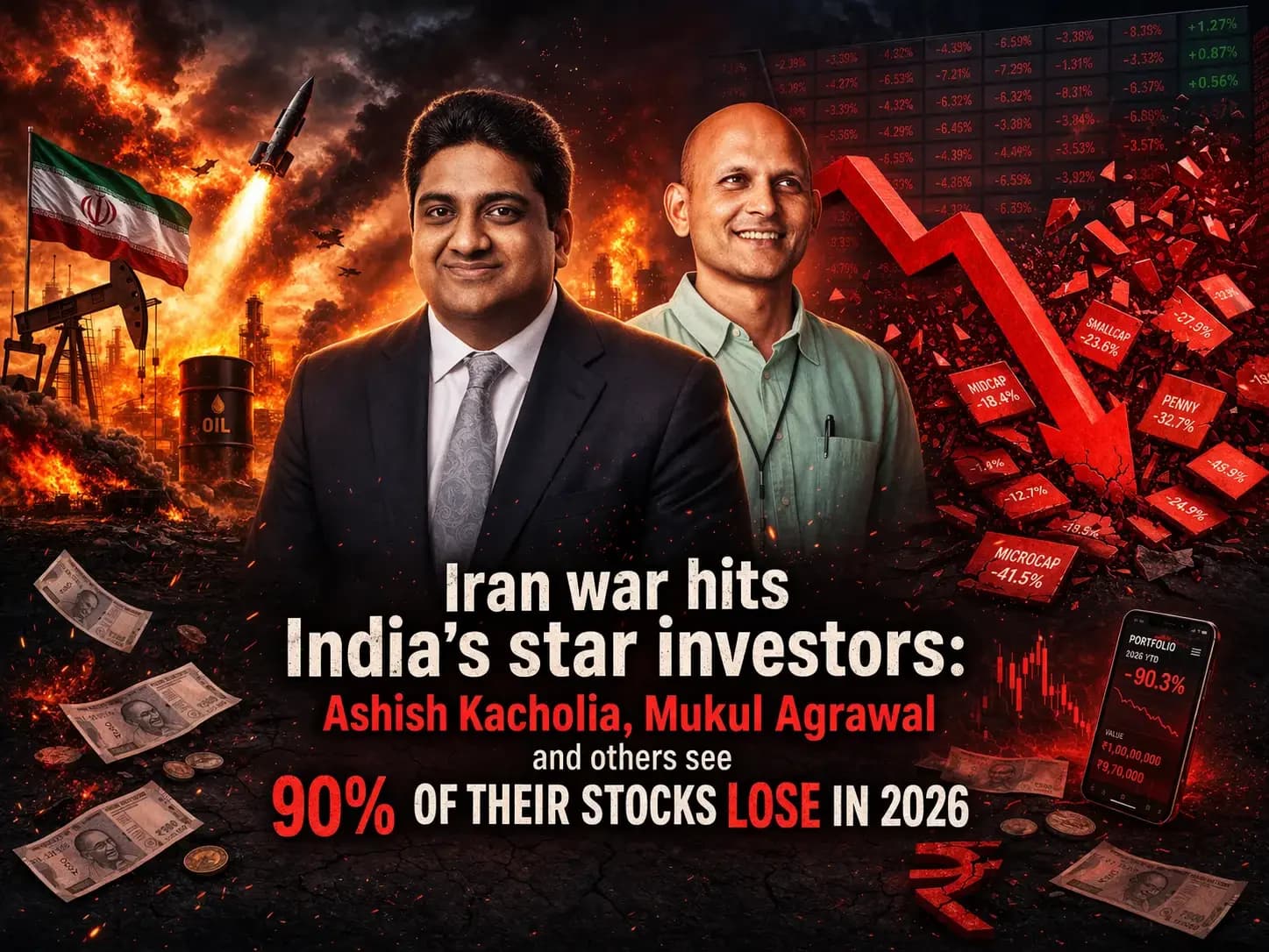
The US-Israel-Iran war that began on February 28 triggered significant market volatility across global equity markets. According to reports from ABP Live, the conflict resurfaced after being imagined as buried five months prior, with large-scale bombing and annihilation of Iranian top order exceeding expectations. Indian markets wore a torn tattered look for the next fortnight, with daily reports showing a vicious tide of exits as investors chose to exit at the first drop. The S&P 500 is already near its pre-war level, raising questions about whether India will follow suit.
As reported by ABP Live, investors, particularly well-heeled, educated, and aware individuals, make several critical mistakes during market crashes. Knee-jerk reactions dominate decision-making, with awareness of recent history relegated to the back while current situations take precedence. Investors often exit from capital markets using the most liquid and transparent options first, while leaving illiquid assets like real estate, private stakes, and unlisted companies untouched. The analysis reveals that taking money out from equity and putting it in debt is a common mistake, as nothing compensates for equity drawdowns better than equity itself. According to DALBAR's 2025 report, this behavior gap is evident across markets - the S&P 500 returned 25.02% in 2024, while the average equity investor earned just 16.54%, creating an 848 basis point gap between market returns and investor returns.
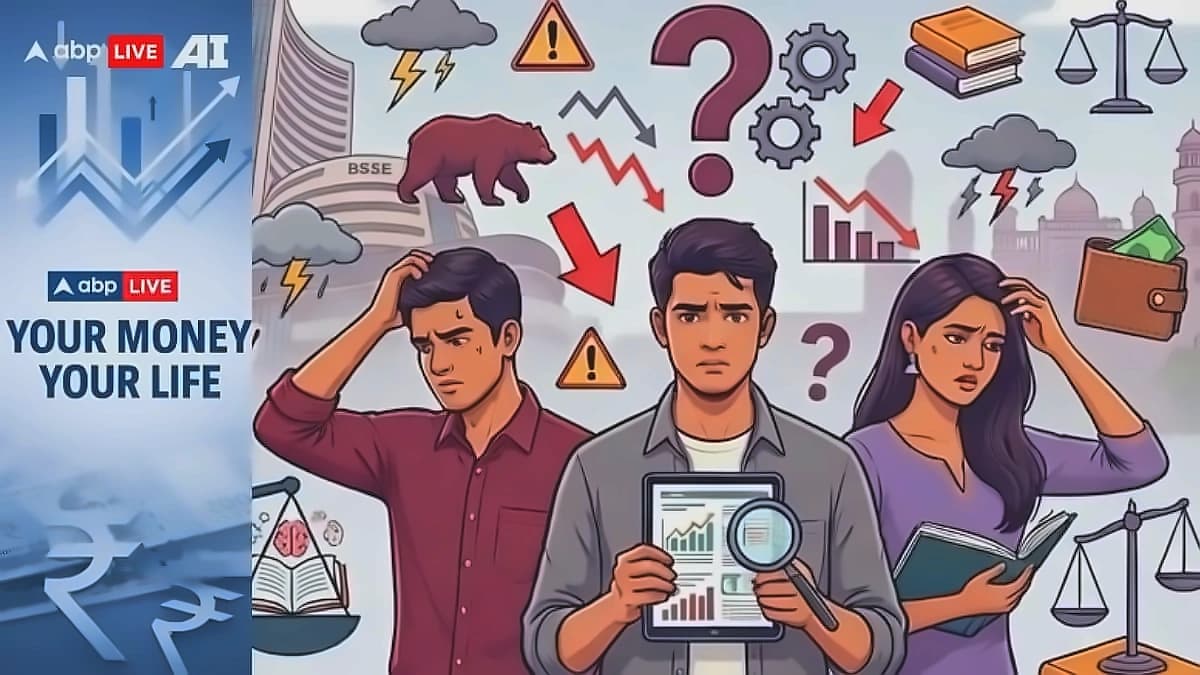
According to the report, investors suffer from unrealistic expectations during bull market phases, believing high returns are routine rather than exceptional. The analysis notes that risk-return trade-offs are conveniently forgotten, with past bear market sequences and spans overlooked. Investors have lost money chasing unrealistic goals including water, air, garbage, spaceships, art, and dubious bonds, yet steadfastly refuse to learn from these repetitive errors. The report emphasizes that time and patience are crucial for wealth creation in equity markets, with historical studies consistently pointing to time as the best friend in equity stakes. Nobel Prize winner Daniel Kahneman's research from 1979 proves that losing ₹10,000 hurts psychologically ~2x more than gaining ₹10,000 feels good, leading to panic-selling at market bottoms.
As reported by ABP Live, the root cause of poor investment decisions lies in lack of planning and not staying the course. The analysis highlights that patience is key to wealth and that hard work in portfolio creation happens in small increments. The author emphasizes that while boom and bust cycles are inevitable, they are not within individual control, making it essential to spend time understanding needs and timeframes for effective portfolio management. According to DALBAR's 49 years of investor data, the #1 reason investors underperform isn't market crashes, inflation, or bad fund selection - it's voluntary withdrawals at the worst possible time. The report cites a portfolio achieving close to 15%+ CAGR after two decades as an example of successful long-term investing, with the fundamental truth that every successful investor tried to beat themselves first rather than the market.