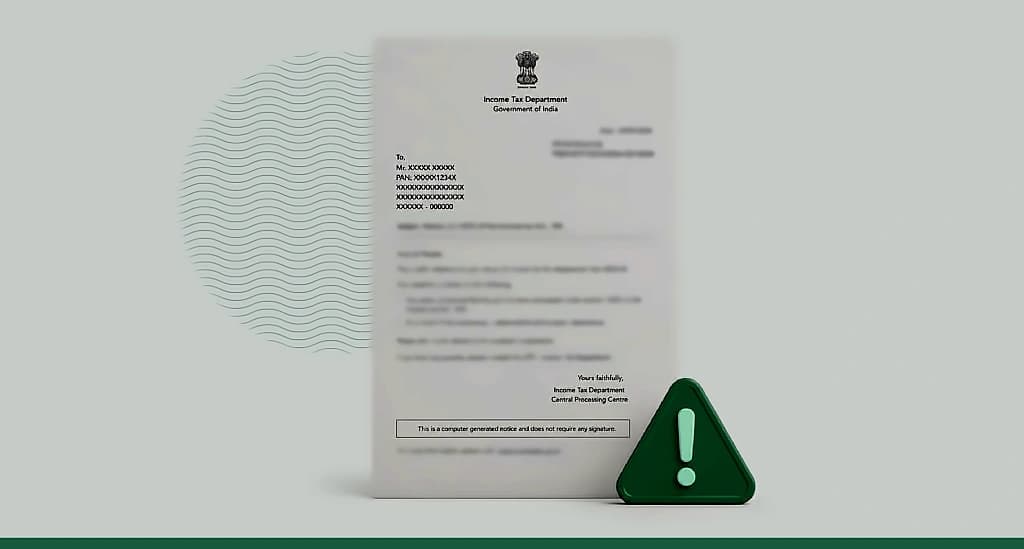
According to tax experts, four notices account for almost everything a salaried or self-employed filer runs into after submitting a return. The most common is an intimation under Section 143(1), which is the automatic notice the department issues after processing your return, usually within nine months of the financial year end. This notice sets your figures against the department's own calculation and reports the result, with most filers seeing agreement between the two. A notice under Section 139(9) marks your return as defective, usually due to data missing or entered incorrectly, giving you 15 days to correct the return on the portal and resubmit it. A scrutiny notice under Section 143(2) signals detailed examination of your return, while a notice under Section 245 appears when a refund is due while a tax demand from an earlier year remains unpaid.
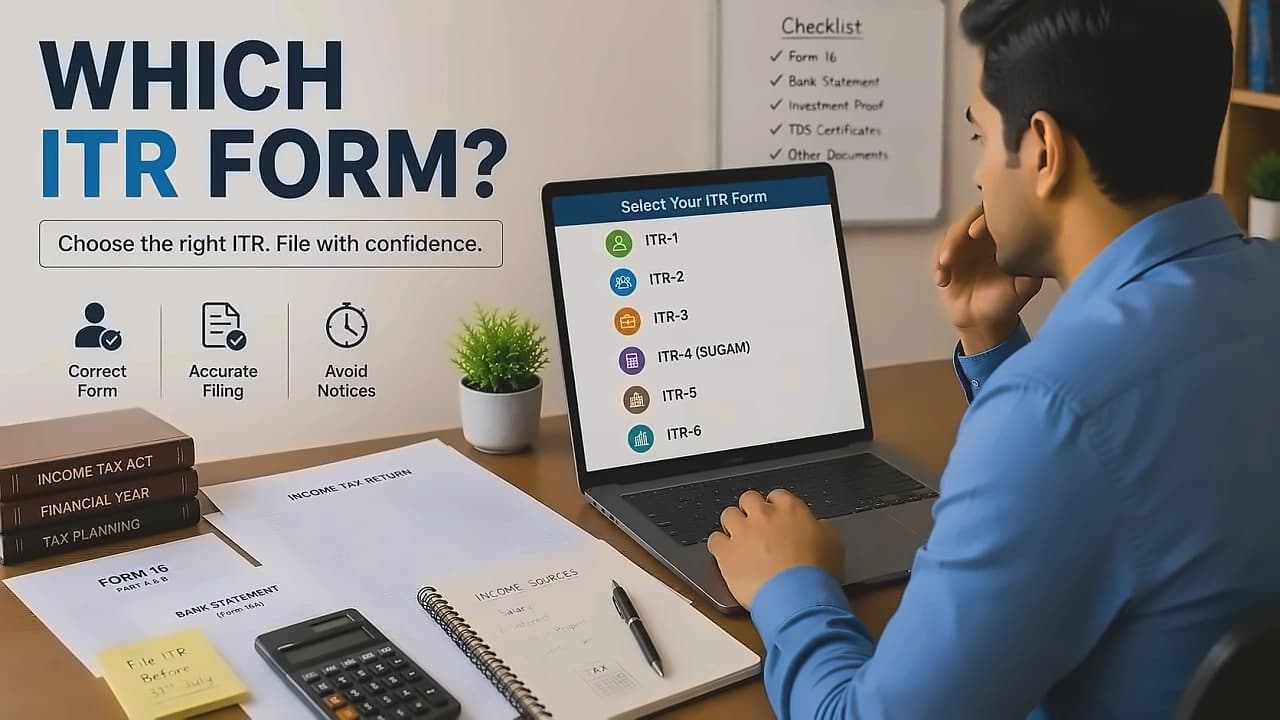
As reported by tax experts, nearly every income tax notice traces back to one of five differences between your return and the department's records. The most common mismatch occurs when income is left out of the return that the AIS already records, such as fixed deposits that renew automatically or dividends from old DEMAT accounts. TDS is shown in Form 16 but not in Form 26AS due to employer filing errors, creating tax credit mismatches. Deductions claimed without proof now face department testing under the NUDGE campaign, while advance tax that fell short of actual income generates interest demands under Sections 234B and 234C. Defective returns made by using the wrong ITR form or leaving mandatory schedules blank mark the return as never filed, carrying late fees of up to ₹5,000.
According to the Income Tax e-Filing Portal guidelines, verifying a notice takes only a few minutes through the official system. Taxpayers must log in with their PAN-based user ID, then open Pending Actions and select e-Proceedings to see any notice issued against their return. The Authenticate Notice/Order Issued by ITD service on the portal homepage confirms genuine notices by entering the Document Identification Number (DIN) printed on the notice along with your mobile number. A valid notice returns a success message with its issue date, while a fake one returns 'No record found'. Every communication since October 1st, 2019 must carry a 20-character DIN, with the department never asking for card details or passwords through links.
As reported by tax experts, every reply goes through the e-Proceedings tab, where each submission generates an acknowledgement worth saving. If you agree with the notice, pay any demand through the portal under Pending Actions and Respond to Outstanding Demand. If you disagree, submit supporting documents through e-Proceedings with a short explanation of your position. If the error sits in the department's own record rather than your return, apply for rectification under Section 154 instead. Most matters close on the portal without an officer entering the exchange, as long as the response lands inside the window the notice sets. Budget 2026 extended the revised return last date to March 31st, 2027 for AY 2026-27, with corrections filed by December 31st, 2026 carrying no fee.