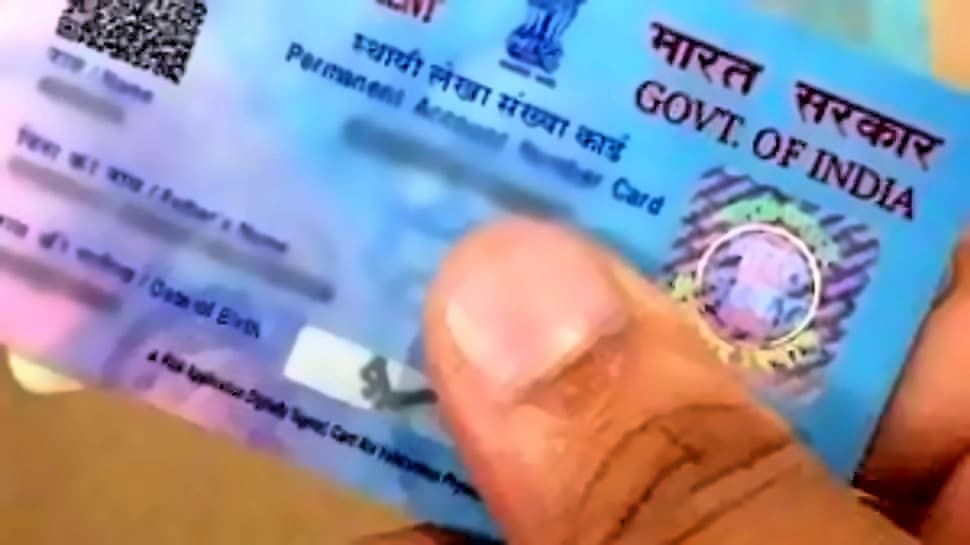
A Hindu Undivided Family (HUF) PAN card is a separate 10-digit Permanent Account Number issued by the Income Tax Department for a family unit. According to reports from Zee News, this setup allows families to be treated as a separate legal and tax-paying entity. Under current Indian income tax regulations, an HUF functions as a separate legal entity that allows families to manage finances, investments, and tax liabilities collectively. Hindu, Sikh, Buddhist, and Jain families can form an HUF, which helps families manage ancestral property, family business income, and investments under one separate tax identity.
Creating an HUF can help reduce the overall tax burden legally through several mechanisms. As reported by Zee News, since an HUF is treated as a separate taxpayer, it gets its own basic exemption limit of ₹2.5 lakh under the old tax regime for Assessment Year 2026-27. This exemption is separate from the exemption available to individual family members. The HUF files its own Income Tax Return (ITR), apart from the personal ITRs of family members, providing additional tax planning flexibility. By obtaining a dedicated PAN for the HUF, families can effectively create a secondary tax-filing unit, potentially lowering their total taxable income.
Income from ancestral property, family business, rent, or investments can be shifted to the HUF, helping divide income between the individual and the HUF. According to Zee News, this strategy may reduce the total tax payable by keeping both the individual and the HUF under lower tax slabs. The HUF can claim deductions by investing in options like PPF, ELSS, 5-year fixed deposits, or by paying life insurance premiums for members. This income splitting approach allows families to optimize their tax liability across multiple tax entities.
The HUF can claim up to ₹25,000 for health insurance premiums paid for family members under Section 80D. As reported by Zee News, this deduction can increase to ₹50,000 if the insured person is a senior citizen. This provision provides significant tax relief for family health insurance expenses, making the HUF structure particularly attractive for families with elderly members. The deduction is available for health insurance premiums paid by the HUF for family members, offering substantial tax benefits for comprehensive family health coverage.
Recent tax reforms have significantly enhanced transport allowance exemptions for employees, particularly benefiting disabled workers. According to Mint, disabled employees are now eligible for ₹15,000 per month plus dearness allowance in metro cities, while non-metro employees can claim ₹8,000 per month plus dearness allowance. This represents a substantial increase from the previous limit of ₹3,200 per month for disabled employees. The enhanced exemption applies to individuals with blindness, deafness, mute conditions, or orthopedic disabilities affecting lower or upper extremities. As noted by tax experts, this change could provide additional annual tax-exempt benefits of up to ₹1.42 lakh for eligible employees in metro locations, reflecting the government's recognition of rising commuting costs.