According to legal expert Manmeet Kaur, Partner at Karanjawala & Co., housing societies do not have the power to automatically evict tenants from flats rented by their members. As reported by Mint, the legal position depends on who owns the premises and who serves as the landlord. When a society member owns the flat, the tenancy exists between the member and tenant, with the society having no privity of contract with the tenant. The society can only regulate members through its dispute resolution mechanism, subject to court or tribunal proceedings.
When the society itself owns the premises, such as shops, offices, or terraces let to third parties, the society becomes the landlord and can evict through the Transfer of Property Act (TPA) and rent-control framework. According to Kaur's explanation to Mint, privity and ownership of the premises remain the paramount factor determining eviction rights. The tenant can only be evicted by the member as landlord through proper legal channels, including termination notice under Sections 106 and 111 of the TPA, 1882 and obtaining a possession order.
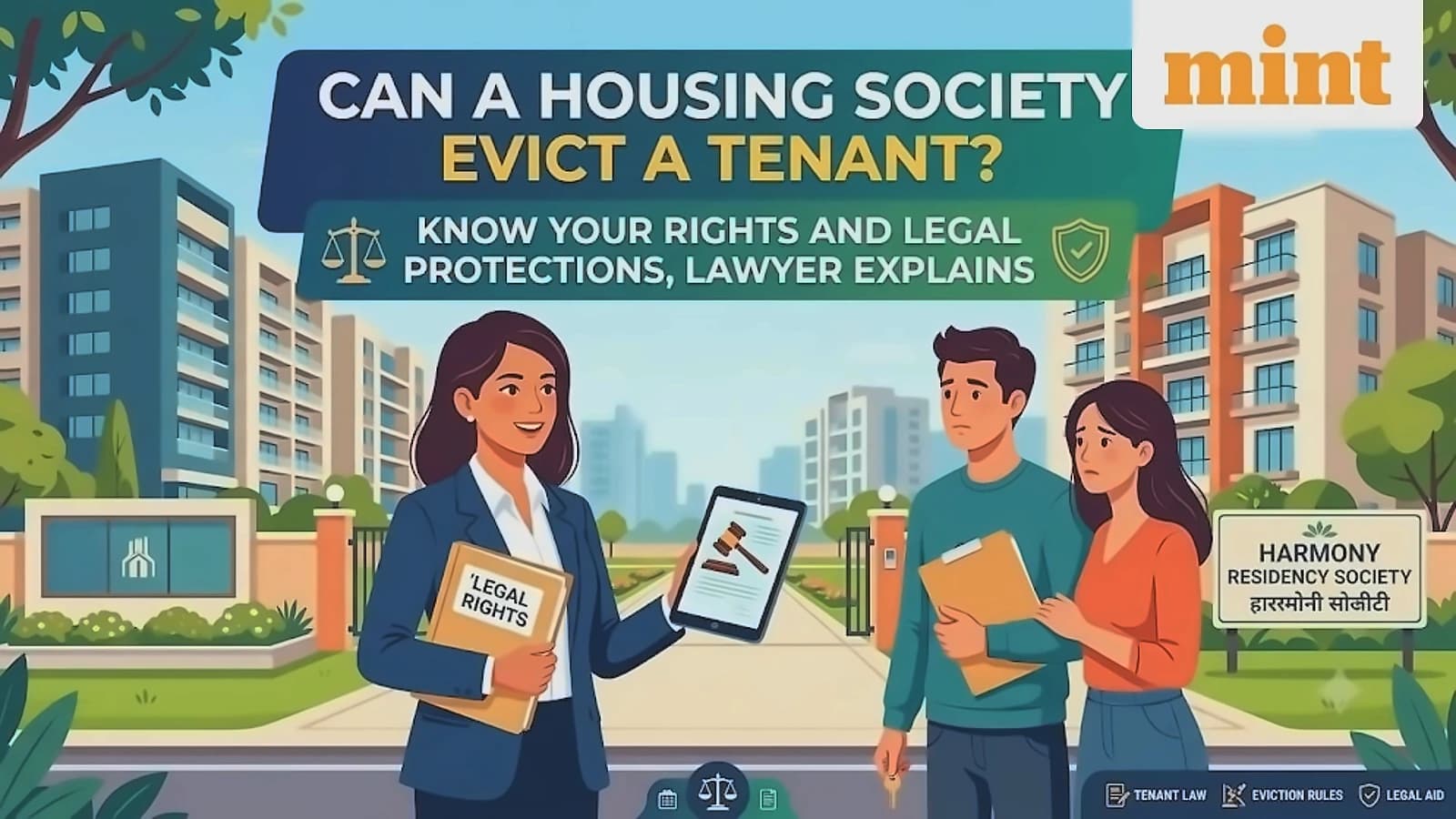
As detailed by Kaur to Mint, eviction requires proper legal procedures regardless of the situation. When the Delhi Rent Control Act, 1958 (DRC Act) applies, eviction is permitted only on statutory grounds such as non-payment of rent, subletting, misuse of premises, or bona fide requirement before the Rent Controller. Section 50 of the DRC Act bars civil courts from hearing eviction cases, ensuring proper legal channels are followed.
According to Kaur's explanation to Mint, tenants receive significant legal protections during eviction disputes. Essential services including lighting in passages, water, electricity, and safe access to staircases cannot be disconnected merely because an eviction dispute exists. Section 108 of the TPA protects a tenant's 'right to quiet enjoyment' and prevents dispossesssion except through due process of law. These protections ensure tenants maintain their rights while clarifying their obligations towards landlords.