According to reports from Business Standard, homeowners can avoid financial stress by implementing a systematic approach to home setup. The key strategy involves spacing out expenses rather than completing everything at once, which helps prevent turning homeownership into long-term financial strain. This approach allows homeowners to focus on functional essentials that improve liveability, such as finishing flooring, basic furniture, and necessary appliances, while postponing aesthetic upgrades such as premium sofas, décor, or luxury fittings until cash flow stabilizes.
As reported by Business Standard, homeowners should prioritize structural or functional problems such as wall seepage, plumbing leaks, faulty electrical fittings, or broken flooring because delaying these issues can lead to bigger repair costs later. Aesthetic additions like matching curtains, decorative lighting, designer furniture, or wall art are lifestyle upgrades that can be phased in gradually. Creating a priority list helps separate urgent needs from optional wants, allowing homeowners to manage expenses more rationally instead of spending emotionally during the excitement of setting up a new house.
According to the report, social media-induced fear of missing out has become a significant trigger for financial stress, with constant exposure to designer homes and luxury lifestyles creating pressure to spend beyond comfort levels. The article emphasizes that price comparison is essential for avoiding overspending, as the same product can have significantly different prices across online platforms, local furniture markets, and branded stores. Homeowners should compare delivery charges, installation fees, warranty terms, and material quality before making purchases, as cheaper products sometimes become more expensive due to poor durability or hidden costs.
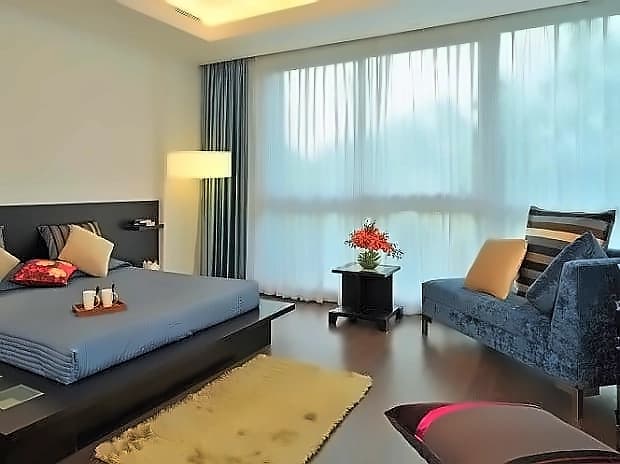
As reported by Business Standard, financial planners recommend creating three buckets for home setup budgeting: Essentials, upgrades, and luxury additions. The strategy involves spending first on necessities such as appliances and functional furniture, while postponing aesthetic upgrades until finances stabilize after the move. The report emphasizes that home setup should be treated as a long-term project rather than a one-time shopping exercise, which naturally slows impulsive spending and helps create a more thoughtful, lower-cost home setup with fewer regrets.