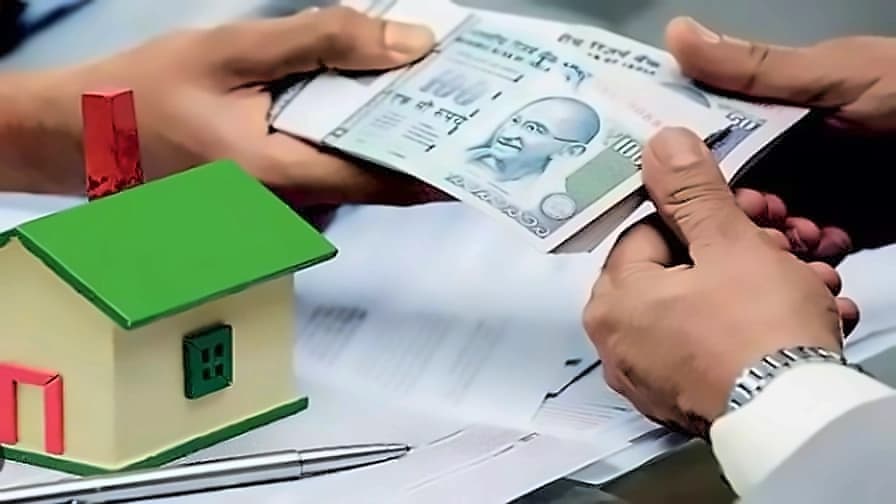
When home loan borrowers receive salary bonuses, increments, or annual incentives, a critical financial decision emerges: should the extra cash be used to reduce outstanding loan debt or invested for potentially higher returns through equities, mutual funds, or similar asset classes. According to Mint, the answer depends on multiple factors including the home loan interest rate, expected investment returns, risk levels, tax implications, and the borrower's liquidity requirements. Atul Monga, CEO & Co-Founder of BASIC Home Loan, explains that prepayment becomes more beneficial when surplus funds are earning less than the borrowing cost and the borrower is still early in the loan cycle.

Early home loan prepayment can significantly reduce overall borrowing costs and improve financial health. As reported by Mint, when borrowers prepay their home loan earlier in the repayment tenure, it can have meaningful impact on interest payable over the remaining period. Interest is calculated on the outstanding principal, making early principal reduction crucial for lowering future interest outgo. Borrowers can also opt for prepayment to reduce loan tenure or lower equated monthly instalments (EMIs), depending on their long-term family responsibilities and economic objectives.
Maintaining proper balance between prepayments and liquidity is essential for financial stability. According to Mint, when individuals use all surplus cash for loan repayment, it can easily stretch them and leave them with inadequate liquidity for meeting unforeseen emergencies or other financial objectives. Monga emphasizes that borrowers should consider the liquidity of their funds and tax implications, noting that full or partial prepayment can be more beneficial when made earlier in the loan cycle. For floating-rate home loans, banks cannot charge foreclosure or prepayment penalties under RBI rules, but borrowers should still check specific loan terms. Recent financial planning advice suggests that investors should maintain ideal liquidity levels that allow handling unexpected life events without sacrificing long-term growth potential.
The final decision between home loan prepayments and investment should be based on the borrower's current economic situation, family responsibilities, and future financial goals. As reported by Mint, borrowers should have a well-planned emergency fund in place before making large prepayments. Once that cushion is established, they can compare the post-tax returns expected from investments with the effective cost of their home loan. If the investment is unlikely to generate returns higher than the borrowing cost, particularly during the early years of the loan, prepayment can be a sensible way to reduce future interest outgo. However, any final decision requires proper analysis and professional guidance from a certified financial advisor. Recent financial planning experts recommend annual reviews for self-directed investors and quarterly reviews for those working with advisors to ensure optimal liquidity management.