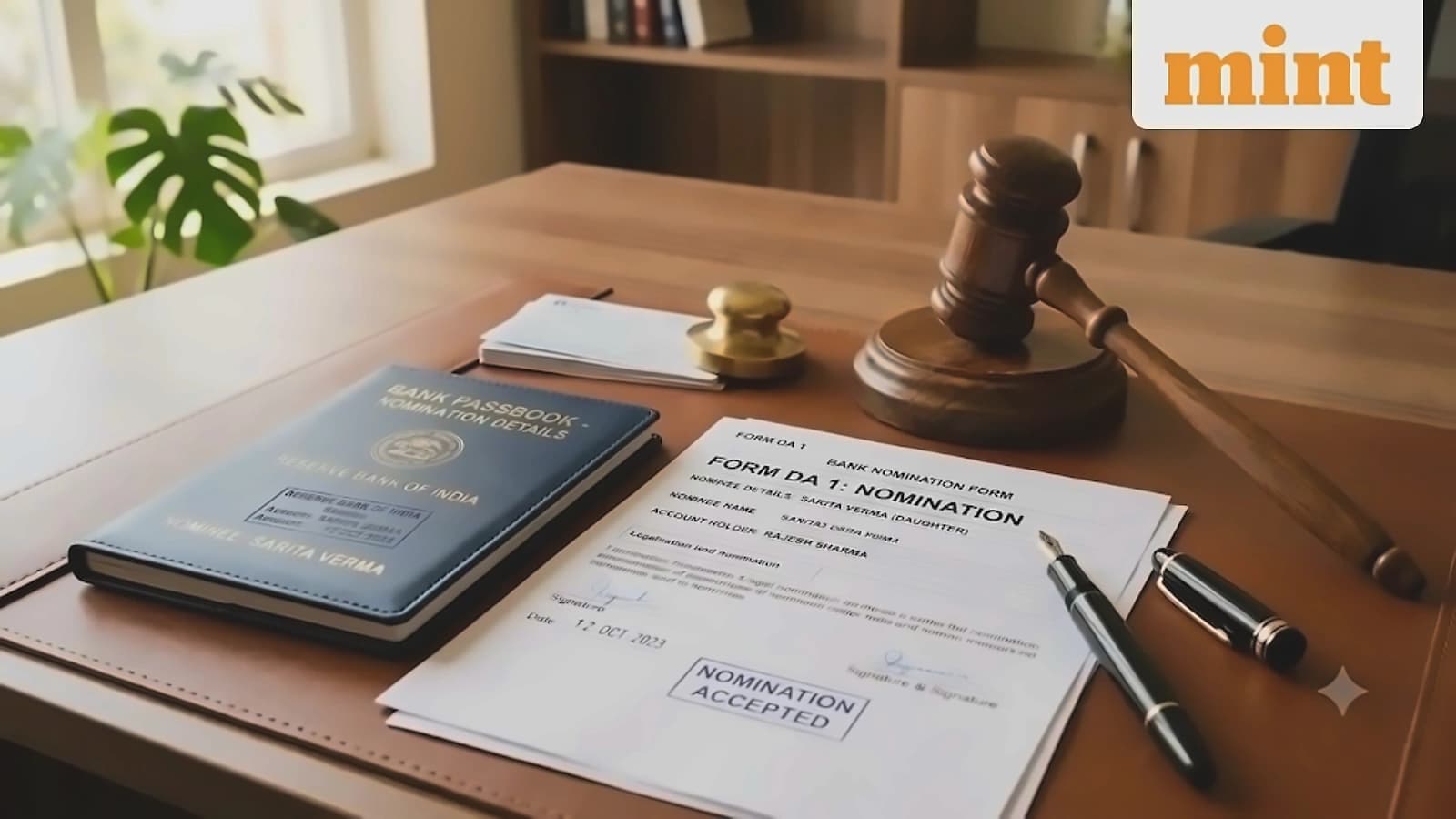
When a home loan borrower passes away during the loan tenure, lenders follow a structured process to recover outstanding dues. According to lending authorities, the first step involves checking whether the borrower had purchased a home loan insurance policy. Home loan insurance, also known as a Home Loan Protection Plan, is a specialized life insurance policy designed to pay off outstanding housing loan amounts in case of the borrower's untimely demise. If the home loan is covered by an insurance policy, the insurer typically settles the outstanding loan amount, subject to the policy's terms.
In a joint home loan arrangement, the co-borrower becomes generally responsible for continuing the repayment of the outstanding loan amount. As reported by lending authorities, if the co-borrower is unable to repay, the lender may approach the guarantor, legal heirs, or other family members to take over the repayments. If a family member agrees to continue paying the loan, the lender typically allows the property to remain with the family. Banks may also provide relief on compassionate grounds by offering additional time, restructuring the loan, or granting a temporary moratorium.
However, if no one is able to repay the loan despite being given reasonable time, the lender may seize and sell the property to recover the outstanding dues. This represents the most severe recovery option, where the bank takes possession of the property and proceeds with a sale to recover the outstanding loan amount. This process ensures that the lender's financial interests are protected while maintaining the property's value for future buyers. Importantly, any existing loans, liens, or other claims remain attached to the property when transferred, meaning these debts do not disappear upon the owner's death.