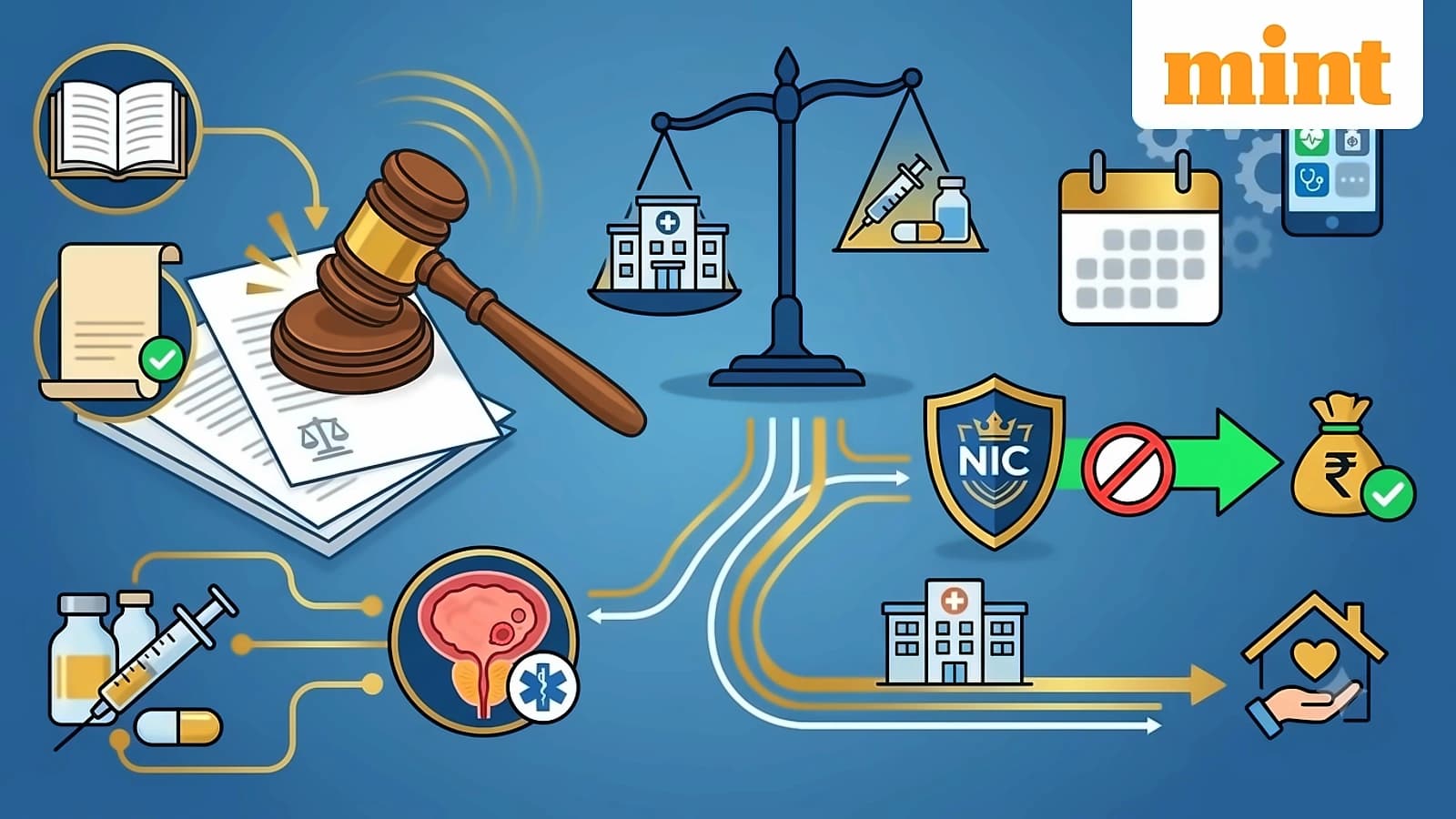
The Punjab and Haryana High Court has ruled that Haryana government employees cannot be denied medical reimbursement for dependent parents solely because they receive a ₹3,000 monthly old-age pension. According to reports from Mint, the court set aside rejection orders in 10 connected petitions and directed the authorities to process and release admissible claims within two months of receiving a certified copy of the order. The ruling reinforces that the receipt of a small social-security benefit does not automatically establish that an elderly parent can independently meet medical expenses, with the court holding that administrative instructions cannot override the statutory rules governing medical reimbursement. The ruling is significant for government employees whose parents require hospitalisation or treatment but have modest pension income.
The dispute arose after medical reimbursement claims were rejected on income-related grounds. In one case, a government employee sought reimbursement for his 70-year-old mother's treatment that cost ₹3.73 lakh at a government-approved hospital. The mother had chronic ailments and underwent inpatient treatment at an empanelled, government-approved hospital. The authorities rejected the claim because the assessed income exceeded the monthly ceiling of ₹3,500 prescribed under government instructions issued in 2007. The court noted that the treatment, medical bills and expenditure were not disputed, with the claim being rejected on technical interpretation rather than merit.
The court considered a February 3, 2025, clarification issued by Haryana's Director-General Health Services stating that the ₹3,000 old-age pension should not be treated as income for medical reimbursement purposes. According to Mint, the court observed that the state could not extend social-security benefits to elderly citizens and then use the same benefit receipt as a reason to deny medical reimbursement through serving children. The judgment also addressed a woman's claim for medical reimbursement for her parents-in-law, holding that denying the benefit in those circumstances contravened Haryana's medical reimbursement policy. The court emphasised that dependency is not merely a question of income but can involve physical dependence, particularly where elderly parents suffer from serious or chronic illnesses and require care, supervision and support from their children.
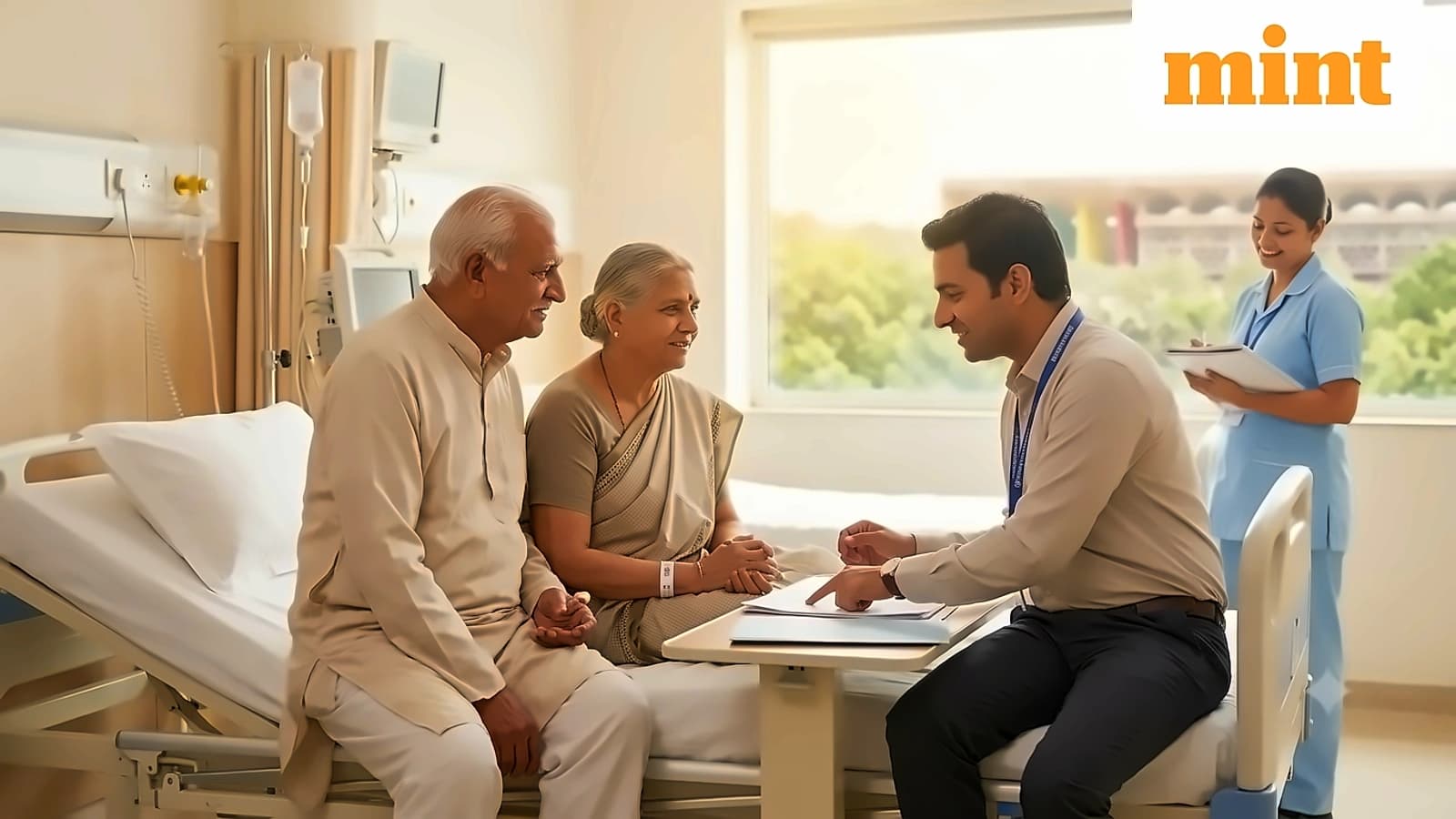
The decision strengthens the position of employees whose medical reimbursement claims for dependent parents have been rejected solely because of small old-age pensions or rigid income interpretations. As reported by Mint, the court emphasised that dependency involves more than income, including physical dependence where elderly parents suffer serious or chronic illnesses. However, the ruling should not be interpreted as unconditional entitlement to reimbursement for every parent receiving a pension, with eligibility still depending on relevant provisions and claim facts. The court directed the competent authorities to process, sanction and release the admissible reimbursement amounts within two months of receiving a certified copy of the order.