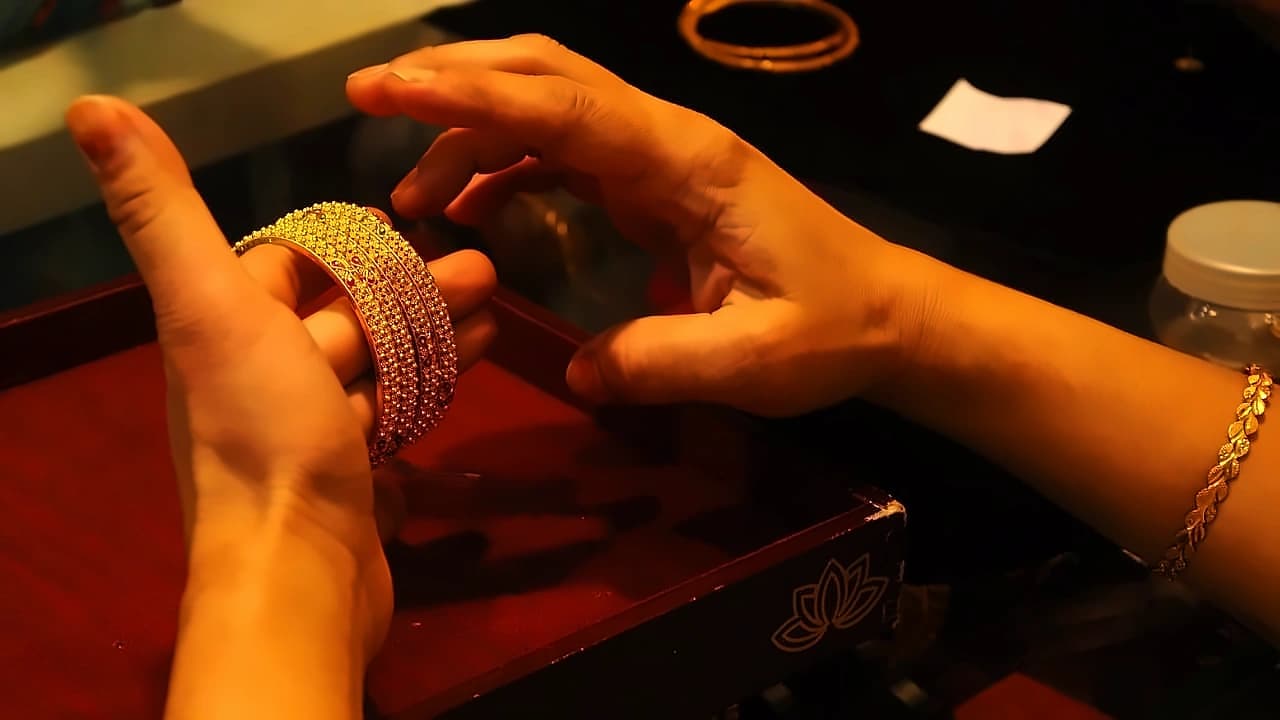
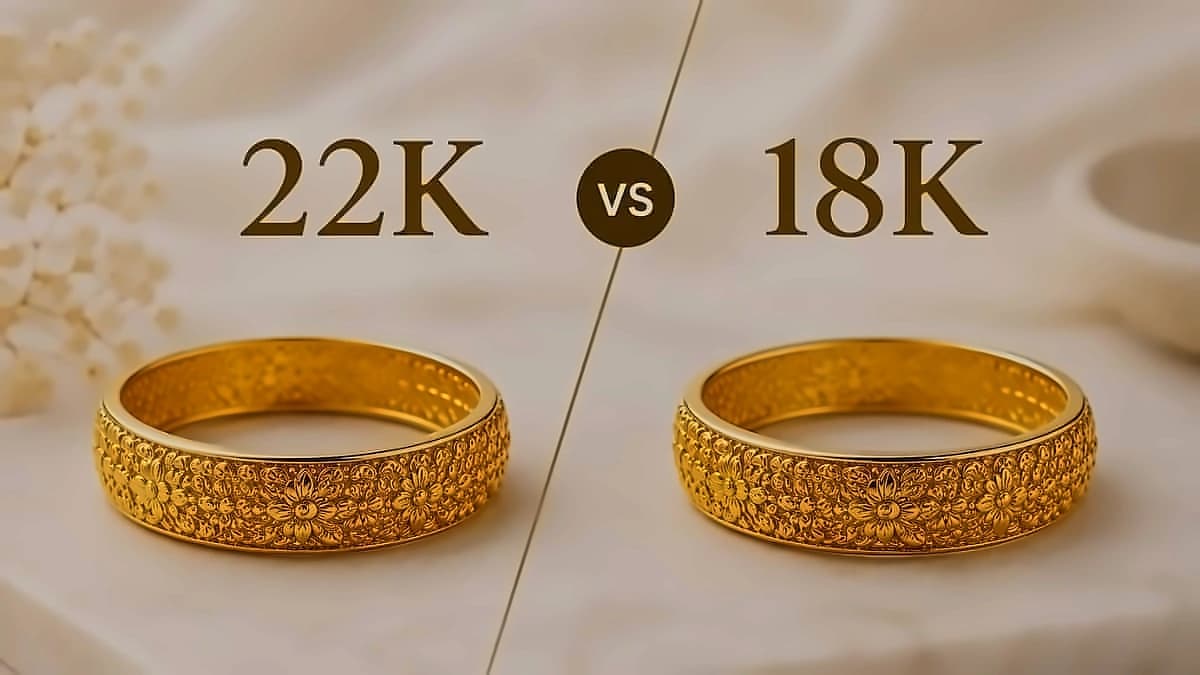
Gold loan lenders do not simply consider the total weight of jewellery when determining loan eligibility. According to Priyank Kothari, Director at Finkurve Financial Services, lenders assess the purity of gold while determining its value for a gold loan. Speaking about whether there would be a difference if one borrower pledged 22-carat jewellery while another pledged 18-carat jewellery, he explained that 'If your purity is 18 carat, then according to that you will be given the value. If your purity is 22 carat, then according to that it will be given.' This means the purity of the jewellery is taken into account while determining its eligible value, since 18K and 22K jewellery have different levels of gold purity and contain different proportions of gold with other metals used in the jewellery. As Mohit Gang, CEO of Moneyfront, explained, lenders typically assess gold purity at levels such as 24K, 22K and 18K, with gold below 18K generally not eligible for a gold loan. The key factor is the purity of the gold, not the total weight of the ornament, as lenders do not determine the eligible value simply by looking at the total weight. Today's gold rates in Kanpur show 18K gold at ₹13,004.50 per gram, 22K at ₹13,866.03 per gram, and 24K at ₹15,061.90 per gram, with 18K receiving lower valuations compared to higher purity gold, affecting maximum loan amounts.
Despite differences in loan amounts based on gold purity, the EMI structure remains standard across all gold loan products. According to Kothari, there will be a difference in the loan amount, but 'There is no difference in the EMI. The EMI is fairly standard.' He added that the lender's scheme and repayment structure do not change simply because the jewellery is 18K or 22K. Gang explained that borrowers may have options such as regular EMI payments, interest-only payments with the principal paid later, periodic interest payments or a lump-sum bullet repayment. If a borrower can afford regular payments, paying both principal and interest through regular instalments is generally the preferred option. The EMI structure and repayment remain standard regardless of the purity of the pledged jewellery, as the purity itself does not create a separate EMI structure.
The loan amount is linked to the applicable loan-to-value (LTV) limit, which varies based on the loan amount required. According to Kothari, under the RBI guidelines, gold loan LTV is divided into three slabs—75 per cent, 80 per cent and 85 per cent. He explained that 'Depending on how much loan you need, your LTV percentage depends on that. So, up to ₹2.5 lakh, if you need a loan, you can get up to 85 per cent. Up to ₹5 lakh, 80 per cent, and above ₹5 lakh, it is capped at 75 per cent.' The final loan amount depends on multiple factors, including the purity and net weight of the gold and the applicable LTV limit. Lenders may consider the Indian Bullion and Jewellers Association (IBJA) rate for the previous 30 days or the current gold rate, with the lower of the two being applied for valuation. The LTV ratio is directly tied to gold prices, with borrowers able to access larger loan amounts when gold prices rise, and vice versa. In case of fluctuations in gold prices during the loan tenure, borrowers may be required to provide margin money to maintain the RBI-prescribed LTV limits.
The presence of stones and other non-gold components can significantly affect the valuation of pledged jewellery. According to Kothari, lenders may not accept jewellery in which a very large proportion of the weight consists of stones. He explained that 'if an ornament has around 50 per cent of its weight in stones, it may be considered unacceptable.' If the stone component is below that level, the appraiser makes the required deduction and calculates the value accordingly. Gang explained that lenders typically exclude precious stones and other components while determining the value of the actual gold, stating 'The other precious stones or jewels or anything else fitted in the ornaments are removed. After removing those, only the pure gold weight is considered.' Therefore, borrowers should remember that the total weight of the jewellery does not necessarily represent the weight of gold eligible for the loan. Recent operational guidelines emphasize that appraisers first remove the weight of non-gold parts including gems, enamel, wax, solder and synthetic stones, with lenders deducting these elements completely to isolate the net weight of pure gold before applying market rates.
Experts caution borrowers against taking larger gold loans simply because they are eligible for higher amounts, emphasizing the importance of borrowing only what is actually needed. Kothari highlighted that one of the common mistakes he has seen is borrowers taking more money than they actually require. He advised that 'If you need ₹10,000, you should take only as much loan as you need.' Borrowers should also avoid choosing a lender solely because it offers a quick loan or an attractive-looking interest rate. Gang advised borrowers to compare three or four lenders before making a decision, comparing factors such as interest rate, LTV, processing charges, repayment options, penalties and the process followed in case of default and auction. He also recommended checking how and where the pledged gold is kept, including safety arrangements and insurance coverage. Kothari also advised borrowers to read the loan documentation carefully and check for any hidden charges before taking the loan, while emphasizing the importance of choosing a regulated and trusted bank or NBFC rather than opting for an unknown or unregulated lender.